Spoiler MPG Impact Calculator
Estimate how different spoiler types might affect your fuel economy based on vehicle shape and driving conditions.
You just installed that sleek carbon fiber spoiler, and it looks aggressive on your trunk. But then you notice the pump clicking off a little sooner than usual. Is your new aesthetic upgrade silently draining your wallet at the gas station? It’s a valid worry. We all want our cars to look fast without actually paying for extra speed we don’t use.
The short answer is: usually, no. In fact, if done right, a spoiler can actually help your mileage. But there is a catch. If the spoiler is poorly designed, mounted too high, or simply creates more turbulence than downforce, it will absolutely hurt your miles per gallon (MPG). Let’s break down the physics without the boring textbook jargon so you know exactly what’s happening under your hood-and behind your bumper.
Aerodynamics 101: Why Air Matters More Than You Think
Imagine running through water. It’s hard, right? Now imagine running through air. It feels easy, but at highway speeds-say, 70 mph or higher-air becomes thick and resistant. This resistance is called aerodynamic drag. Your engine has to work harder to push your car through this invisible wall of air molecules.
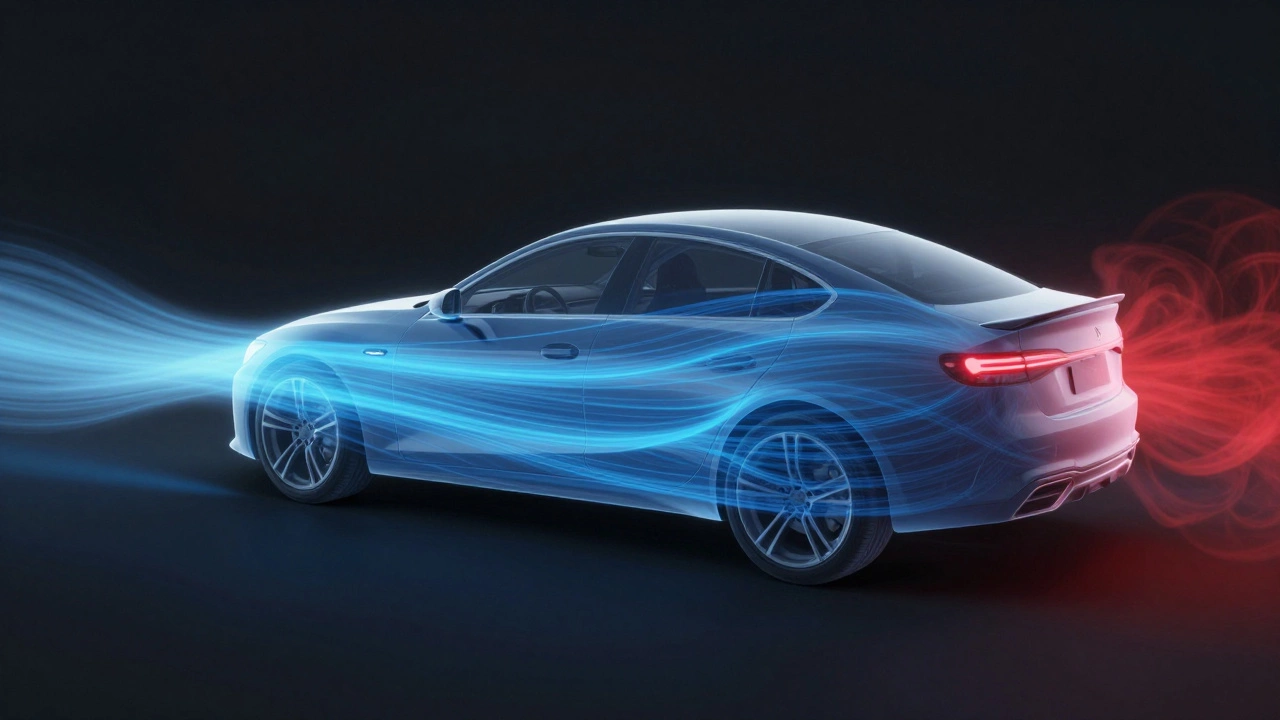
Most modern cars are shaped like wedges to slice through the air efficiently. However, as air flows over the curved roof and trunk, it tends to separate from the surface, creating a low-pressure vacuum behind the car. This vacuum literally pulls the car backward. That’s parasitic drag. A well-designed spoiler acts like a deflector plate, smoothing out that airflow and reducing the size of that vacuum. Less pull back means less strain on the engine, which translates to better fuel economy at sustained highway speeds.
The Downforce vs. Drag Trade-Off
This is where things get tricky. A spoiler generates downforce, pushing the rear tires into the road for better grip during cornering and braking. While this is great for handling, generating downforce often comes with a side effect: increased drag.
Think of it like holding your hand out of a moving car window. If you tilt your palm up, you feel lift. If you tilt it down, you feel pressure pushing your arm down-that’s downforce. But regardless of the angle, your hand is still blocking the wind. That blockage is drag.
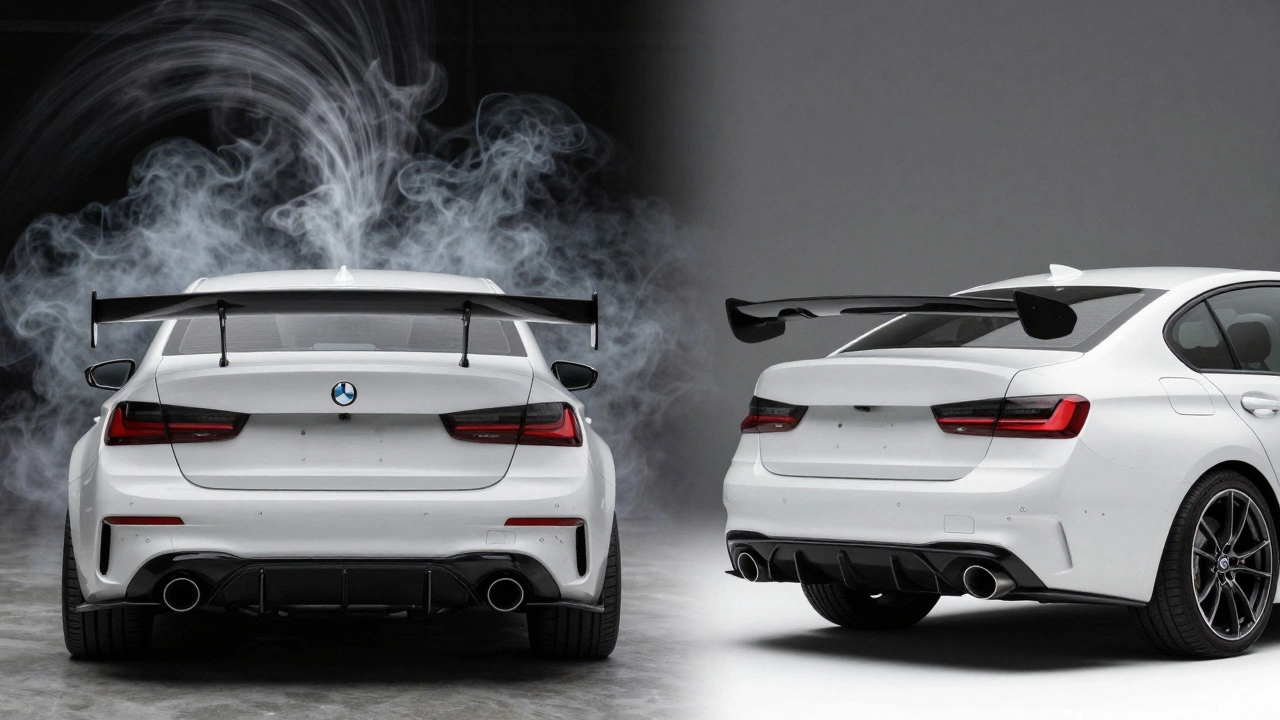
For street drivers who rarely track their cars, massive GT-style wings (like those found on supercars) are often counterproductive. They create significant drag because they are designed to generate maximum downforce at very high speeds. For daily commuting in Melbourne traffic or cruising on the Hume Highway, a large wing might drop your MPG by 5% to 10% because the engine is fighting against the constant pushback of the air.
Carbon Fiber Spoilers: Lighter Doesn't Always Mean Faster
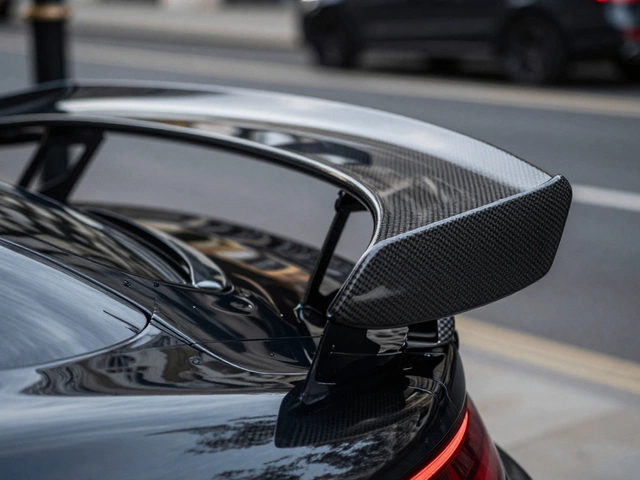
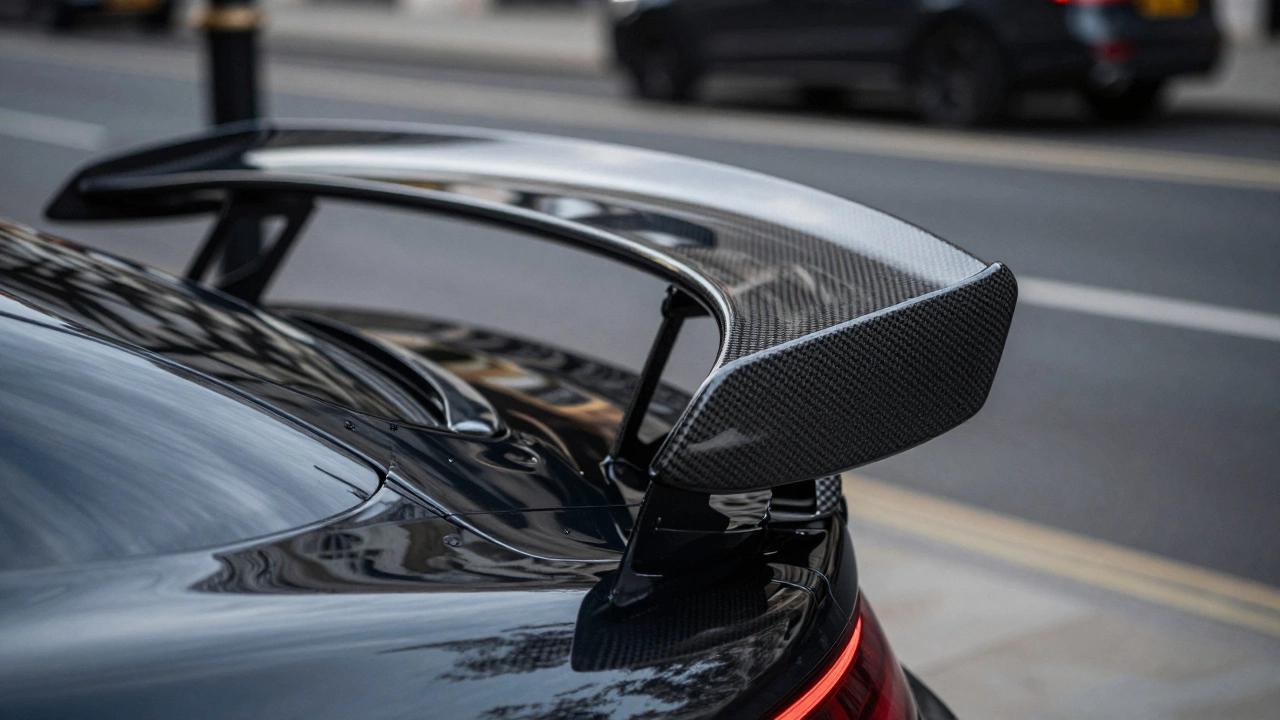
You mentioned carbon fiber specifically. Carbon fiber is fantastic because it’s incredibly strong yet lightweight. Compared to a bulky ABS plastic or metal spoiler, a carbon fiber version adds negligible weight to your vehicle. Weight affects acceleration and braking, but it has minimal impact on aerodynamic drag.
However, material alone doesn’t determine efficiency. A heavy aluminum spoiler with poor aerodynamic design will hurt your MPG more than a light carbon fiber one with excellent design. The key isn’t just the weight; it’s the shape. Look for spoilers with smooth transitions, rounded edges, and an integrated lip rather than sharp, flat plates that chop through the air violently.
When Does a Spoiler Actually Improve MPG?
It sounds contradictory, but yes, some spoilers improve fuel economy. This happens primarily on vehicles with boxy shapes, like SUVs, hatchbacks, or older sedans with vertical trunks. On these cars, the air separation point is very abrupt, creating a massive turbulent wake.
A small, subtle lip spoiler can guide the air smoothly over the rear window and down the trunk lid. This reduces the size of the turbulent wake behind the car. Studies from automotive engineering firms have shown that properly tuned spoilers can reduce the drag coefficient (Cd) by 0.01 to 0.03. While that number seems tiny, at 80 mph, that reduction can save you 0.5 to 1.5 liters of fuel per 100 kilometers.
Factory-installed spoilers are almost always optimized for this balance. They provide enough visual flair while subtly aiding aerodynamics. Aftermarket spoilers, however, vary wildly in quality.
Signs Your Spoiler Is Hurting Your Fuel Economy
How do you know if your specific setup is costing you money? Pay attention to these signs:
- Noise Increase: If you hear a whistling or fluttering sound at highway speeds, your spoiler is creating turbulence. Turbulence equals drag, and drag burns fuel.
- Reduced Top Speed Stability: If your car feels like it’s being pushed around more easily by crosswinds or requires more throttle to maintain cruise control, the drag has likely increased.
- Overtly Aggressive Design: Multi-element wings with endplates and adjustable angles are designed for race tracks, not grocery runs. These are drag magnets.
Practical Tips for Maximizing MPG With a Spoiler
If you love the look but hate the idea of wasting gas, here is how to mitigate the impact:
- Choose Low-Profile Designs: Opt for a "ducktail" or a small lip spoiler rather than a tall, upright wing. These create less frontal area for the air to hit.
- Check the Mounting Angle: Many aftermarket spoilers allow for angle adjustment. Set it to the lowest possible angle (closest to parallel with the trunk) unless you are tracking the car. A steeper angle increases downforce but drastically increases drag.
- Ensure Proper Fitment: Gaps between the spoiler and the trunk lid create air leaks that disrupt laminar flow. Use proper sealant and mounting hardware to ensure a tight fit.
- Drive Smarter: Aerodynamic drag increases exponentially with speed. Dropping your speed from 110 km/h to 90 km/h on the highway will save you far more fuel than removing the spoiler ever would.
| Spoiler Type | Primary Function | Drag Impact | MPG Effect |
|---|---|---|---|
| Small Lip / Ducktail | Aesthetic & Minor Flow Control | Negligible to Slight Reduction | Neutral or Slight Improvement |
| Mid-Size Wing | Moderate Downforce | Moderate Increase | Slight Decrease (1-3%) |
| Large GT Wing | Maximum Downforce | Significant Increase | Noticeable Decrease (5-10%) |
The Verdict: Style vs. Efficiency
Do spoilers hurt MPG? Only if they are poorly chosen or excessively large. For the average driver in Australia, a modest carbon fiber lip spoiler will have such a minor impact on aerodynamics that you won’t notice the difference in your fuel bill. The psychological boost from driving a car that looks sharper is worth far more than the fraction of a cent saved by keeping the trunk bare.
However, if you are chasing every last kilometer per liter, avoid anything taller than two inches. Stick to factory-style designs or reputable aftermarket brands that test their products for aerodynamic efficiency. Remember, the best fuel-saving modification is still your foot-lifting off the accelerator early beats any aero tweak.
Does a carbon fiber spoiler weigh less than plastic?
Yes, significantly. Carbon fiber is roughly 40-50% lighter than ABS plastic for the same volume. However, since a spoiler weighs only a few kilograms, the impact on overall vehicle weight and thus fuel economy is negligible. The benefit of carbon fiber is durability and heat resistance, not weight savings for MPG purposes.
Can a spoiler increase top speed?
Generally, no. Most aftermarket spoilers add drag, which slightly lowers top speed. However, by providing downforce, they can improve traction, allowing the engine to put power to the ground more effectively during acceleration. So, you might accelerate faster, but your absolute top speed cap may drop slightly due to air resistance.
Is it worth installing a spoiler for better handling?
For daily street driving, the handling improvement from a small spoiler is virtually unnoticeable. Downforce becomes significant only at speeds above 100 km/h. If you drive on winding mountain roads or track days, a larger wing helps keep the rear stable. For city commuting, it’s purely aesthetic.
Do spoilers make noise at high speeds?
Cheap or poorly designed spoilers often whistle or flap due to air turbulence separating incorrectly from the surface. High-quality, aerodynamically tested spoilers should be silent. If yours makes noise, check the mounting tightness or consider adjusting the angle of attack.
What is the best spoiler type for fuel economy?
The best option for fuel economy is actually no spoiler, or a very low-profile "lip" spoiler that blends seamlessly with the trunk line. These minimize frontal area and avoid disrupting the natural airflow over the rear of the car, maintaining the manufacturer’s intended drag coefficient.