Suspension Compatibility Estimator
Enter your vehicle's current mileage and planned drop amount to see how likely your stock shocks are to survive the modification.
Enter details to see compatibility analysis.
Shock Survival Prediction
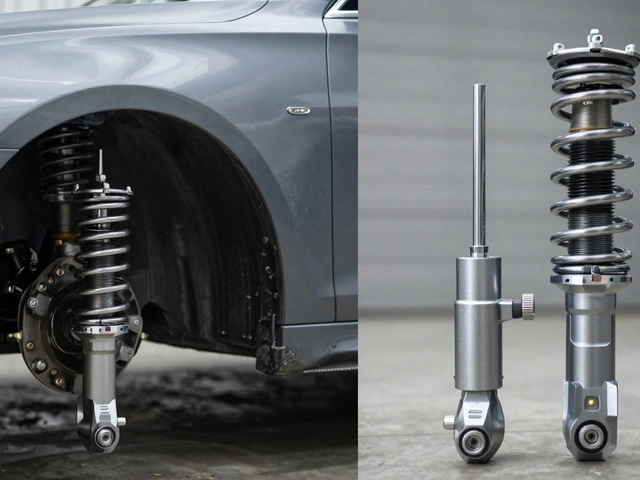
You just bought a set of lowering springs to get that aggressive stance, and you're wondering if your stock shocks are going to survive the weekend. It's the classic question every first-time modifier asks: do lowering springs hurt shocks? The short answer is yes, but it’s not as catastrophic as some forum posts make it sound. Think of it this way: you’re asking a component designed for a specific range of motion to operate outside its comfort zone. Your factory shock absorbers were engineered by the manufacturer to work with the original spring rate and ride height. When you swap in stiffer, shorter springs, you change the geometry, the leverage, and the stress points of the entire suspension system.
But does that mean your shocks will blow out in six months? Not necessarily. It depends on how much you lower the car, the quality of the springs, and how you drive. Let’s break down exactly what happens under the chassis so you can decide if the aesthetic gain is worth the mechanical tax.
The Physics of Mismatched Components
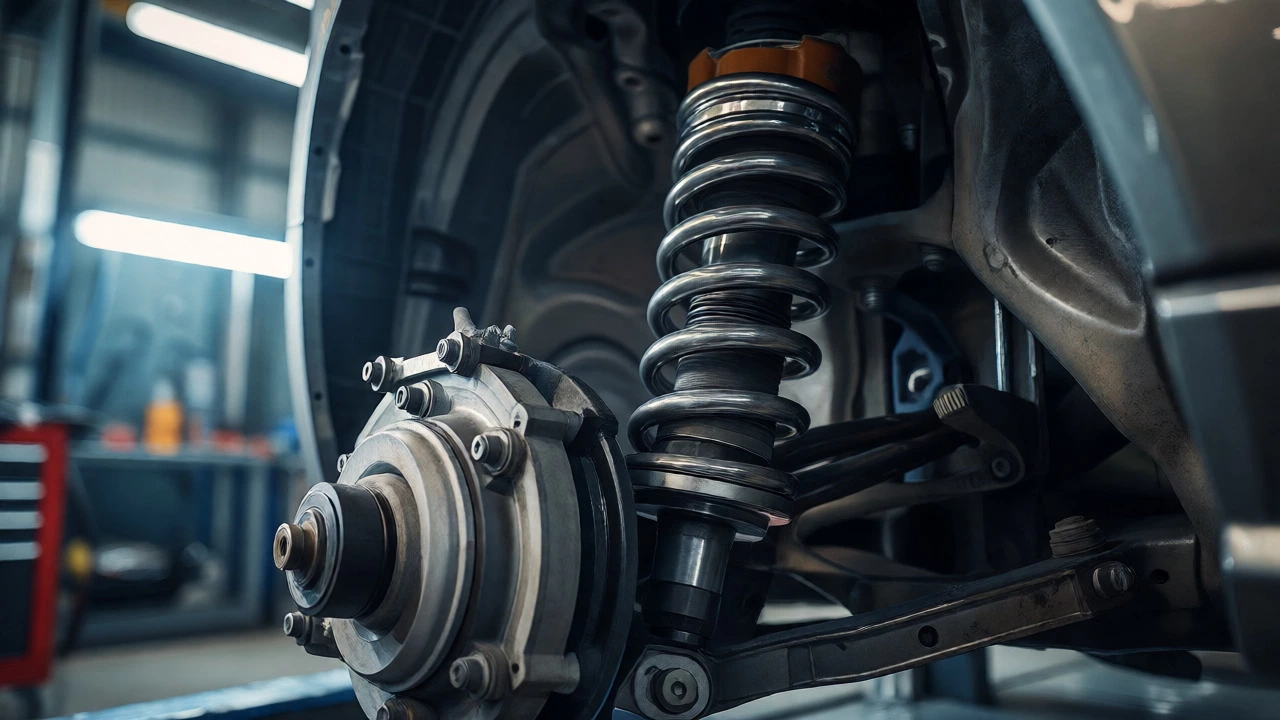
To understand why damage occurs, you have to look at what a shock absorber actually does. A shock absorber is a hydraulic damper that controls the oscillation of the suspension springs. It doesn't hold the car up; the spring does that. The shock’s job is to stop the car from bouncing like a pogo stick after hitting a bump. Factory setups are balanced. The spring rate (how stiff the spring is) matches the damping force (how hard the shock pushes back).
When you install lowering springs, which are typically linear-rate springs with a higher spring rate than stock, you increase the load on the suspension components. Most lowering springs reduce ride height by 1 to 2 inches. This seems small, but it significantly reduces the available travel distance for the shock absorber. If your stock shock has 6 inches of travel, and you cut 1.5 inches off the top and bottom by limiting the suspension's range, you’re forcing the shock to operate in a compressed state most of the time.
This leads to two main problems:
- Bottoming Out: With less travel, the suspension hits its limit sooner. You’ll feel harsh impacts over speed bumps or potholes because there’s no cushion left in the stroke.
- Over-Damping or Under-Damping: Stock shocks are valved for soft, progressive stock springs. Stiff lowering springs require firmer damping to control their energy. If the shock is too soft, the car bounces excessively. If the spring is too stiff for the shock, the shock works harder to keep the tire on the ground, generating excess heat and wearing out the internal seals faster.
Signs Your Shocks Are Struggling
You won’t always know immediately that your shocks are failing. Wear is gradual. However, certain symptoms should raise red flags. If you notice the front end diving heavily when you brake, or the rear squatting during acceleration, your dampers aren't controlling the weight transfer effectively anymore. Another telltale sign is excessive body roll in corners. The car feels floaty or unsettled, especially on uneven roads.
Physically inspecting the shocks can confirm your suspicions. Look for oil leaks around the shaft seal. Hydraulic fluid leaking means the seal is compromised, often due to the increased friction and heat generated by operating outside the design parameters. Also, check the tires. Uneven wear patterns, specifically cupping or scalloping on the tread edges, indicate that the tires aren't maintaining consistent contact with the road because the suspension is bouncing too much.
| Component Setup | Shock Compatibility | Expected Lifespan | Ride Quality |
|---|---|---|---|
| Stock Springs & Shocks | Perfect Match | 60,000 - 80,000 km | Comfortable, Soft |
| Lowering Springs + Stock Shocks | Marginal / Compromised | 30,000 - 50,000 km | Firmer, Potential Bounce |
| Lowering Springs + Sport Shocks | Good Match | 50,000 - 70,000 km | Firm, Controlled |
| Coilover Kit | Optimized System | Variable (Adjustable) | Tunable, Performance-Oriented |
Can You Use Stock Shocks with Lowering Springs?
Technically, yes. Many people run lowering springs on stock shocks for years without blowing them up. But "can" and "should" are different questions. If you only lower the car by an inch or less, stock shocks might cope reasonably well. They’ll wear out faster than they would with stock springs, but they won’t fail catastrophically overnight.
However, if you’re dropping the car more than 1.5 inches, you’re pushing the limits. The risk increases exponentially. In Australia, where road conditions vary wildly from smooth Melbourne boulevards to corrugated country highways, the extra stress on stock shocks is significant. Potholes that were minor annoyances become suspension killers. The internal valves in stock shocks simply aren't designed to handle the rapid compression rates of stiffer springs.
If you are committed to using stock shocks, consider these mitigation strategies:
- Choose Conservative Springs: Look for brands that offer mild drop options (e.g., 25mm instead of 50mm). Eibach Pro-Kit or H&R Sport springs often provide a moderate drop that is easier on stock components than extreme race springs.
- Monitor Wear: Inspect your shocks every service interval. Catching a leak early saves you from replacing all four at once later.
- Avoid Aggressive Driving: Take it easy over speed humps. Don't launch the car aggressively. Respect the reduced travel.

The Better Alternative: Matching Dampers
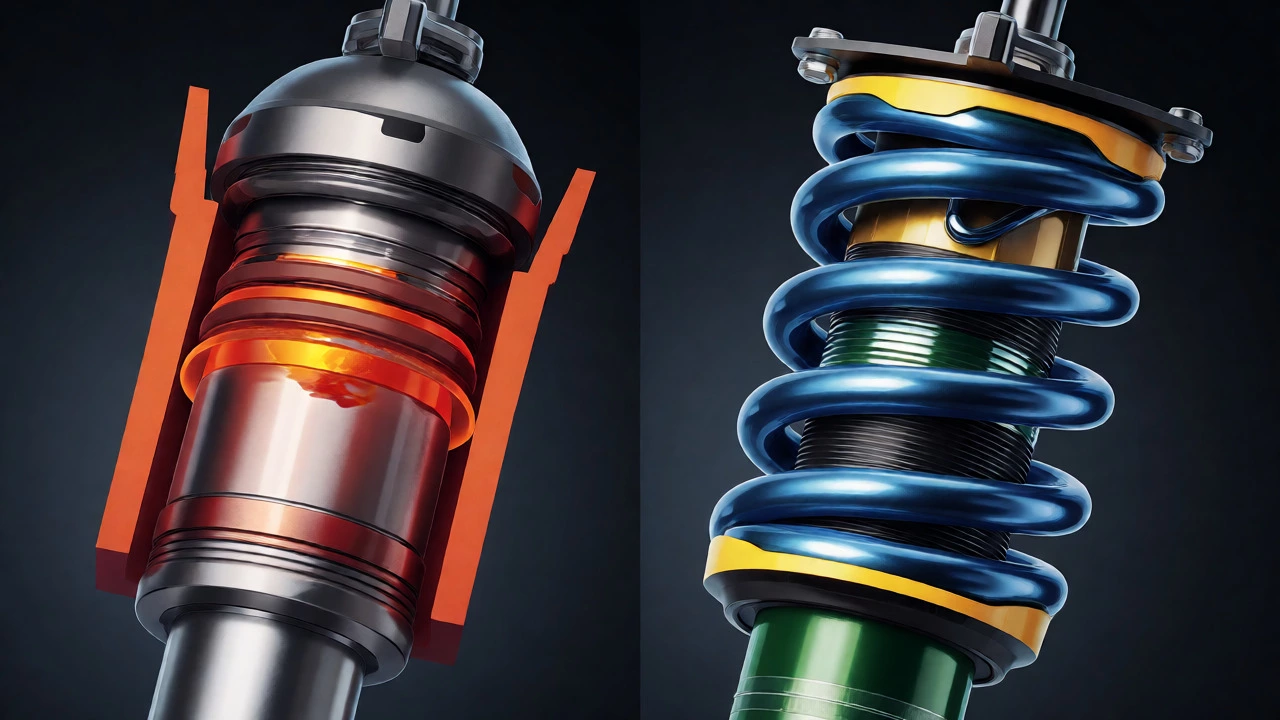
If you want to preserve handling performance and longevity, the smart move is to upgrade the shocks alongside the springs. You don’t need a full coilover kit unless you want adjustability. There are dedicated "sport" or "performance" shock absorbers designed specifically to pair with lowering springs. Brands like Koni Special Active, Bilstein B4/B6, or KYB Excel-G offer dampers with firmer valving that matches the higher spring rate.
Why does this matter? Because a matched setup ensures the tire stays planted on the road. When the damper is tuned correctly, it absorbs the impact energy efficiently rather than fighting against a spring that’s trying to return too quickly. This improves safety, braking distance, and cornering stability. Plus, these matched shocks often last longer than stock shocks used incorrectly with lowering springs, offsetting the initial cost difference.
Consider the total cost of ownership. Buying cheap lowering springs and running them on dying stock shocks might save money upfront. But if you blow a shock in 12 months, you pay for labor twice, plus the new part. Replacing shocks and springs together once, with compatible parts, is usually cheaper in the long run.
Installation Tips to Prevent Premature Failure
Even with the right parts, bad installation kills suspension. Here’s how to protect your investment:
- Use Spring Compressors Properly: Never try to compress modern high-tensile springs with basic tools. Use professional-grade compressors to avoid damaging the spring seat or the shock mount.
- Replace Top Mounts and Bushings: While the strut is out, replace the rubber bushings and top mounts. Old, cracked rubber causes clunking noises and allows unwanted movement, accelerating shock wear. New polyurethane or fresh rubber mounts restore precise alignment.
- Check Alignment Immediately: Lowering a car changes the camber angle. Without a proper wheel alignment, your tires will wear unevenly within weeks, and the steering geometry will put lateral stress on the shock shafts, causing premature seal failure.
- Settle the Suspension: After installation, drive the car for a few hundred kilometers before finalizing the alignment. Springs need to settle into their seats. Re-check torque specs on all bolts after this settling period.
Common Myths About Lowering Springs
Let’s clear up some confusion found on social media groups. One common myth is that lowering springs automatically make the car handle better. Not true. Poorly matched springs and shocks make the car twitchy and unpredictable. Another myth is that you must buy expensive coilovers. For daily drivers, a good set of matched sport shocks and springs offers 90% of the benefit for half the price.
Also, remember that warranty implications exist. Modifying suspension components can void powertrain warranties in some cases, though usually, it affects the suspension warranty specifically. Check with your dealer if your car is still under factory coverage.
Frequently Asked Questions
How long do stock shocks last with lowering springs?
Typically, stock shocks will last between 30,000 to 50,000 kilometers when paired with lowering springs, compared to 60,000 to 80,000 kilometers with stock springs. The lifespan depends heavily on driving style and road conditions. Aggressive driving or rough roads will shorten this timeline significantly.
Will lowering springs void my car warranty?
It depends on the manufacturer and local laws. Generally, modifications that cause a failure will void the warranty for that specific component. If your engine fails, lowering springs shouldn't affect that claim. However, if your suspension or drivetrain breaks due to improper modification, the dealer may deny the claim. Always check your specific warranty terms.
Are coilovers better than lowering springs?
Coilovers offer more adjustability for ride height and damping stiffness, making them superior for track use or enthusiasts who want fine-tuning. However, for daily driving, high-quality lowering springs paired with matching sport shocks often provide a smoother, more comfortable ride at a lower cost. Coilovers can be overly stiff if not set up correctly.
Can I reuse my old shocks with new lowering springs?
You can, but it is not recommended if the shocks already have significant mileage (over 60,000 km). Worn shocks cannot adequately dampen the stiffer springs, leading to poor handling and accelerated wear on other suspension parts. If the shocks are relatively new and in good condition, they may suffice for a mild drop, but expect reduced lifespan.
Do lowering springs affect fuel economy?
The effect is negligible. Any change in fuel economy is usually due to altered aerodynamics from the lower ride height or heavier wheels/tires often installed with the springs. The suspension itself consumes very little energy, so you won't see a measurable drop in MPG solely from the springs.