Lowering Springs vs. Coilovers Cost & Suitability Calculator
Your Configuration
Analysis & Estimated Cost
Estimated Total Cost (AUD)
⚠️ Important Considerations:
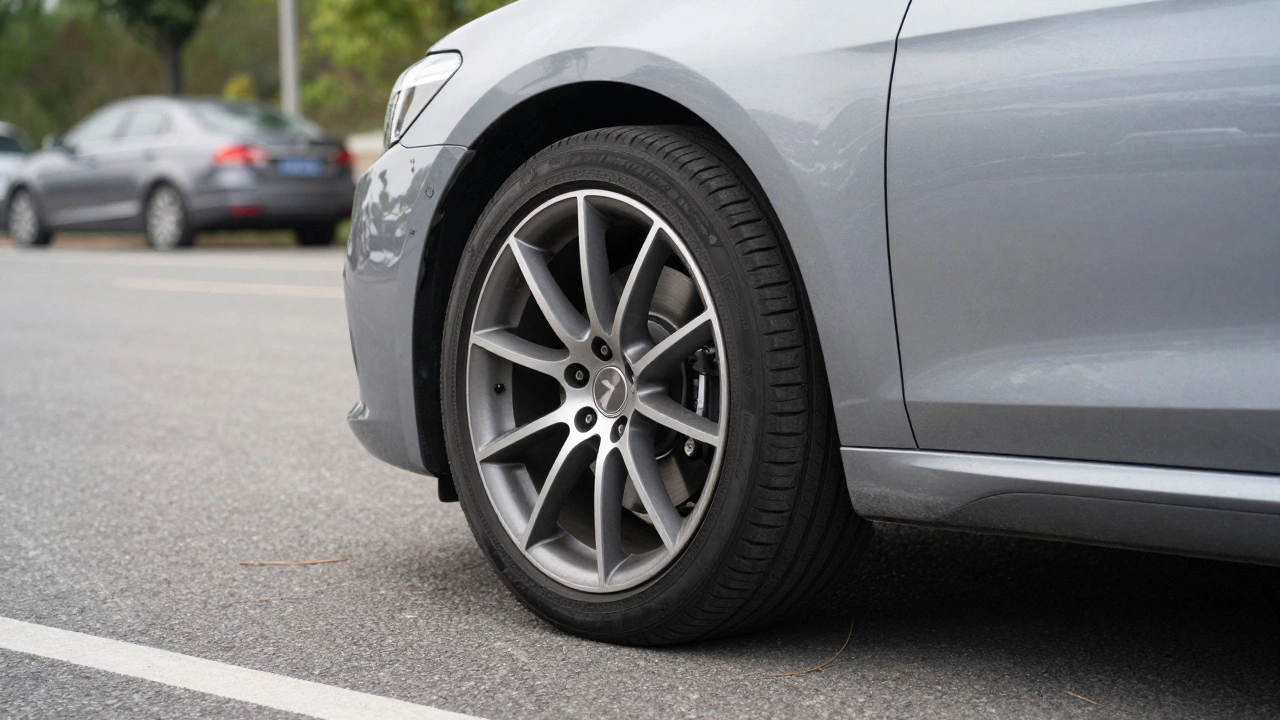
You stare at your car’s wheel wells. There is a massive gap between the tire and the fender. It looks floaty, disconnected, and frankly, a bit boring. You’ve seen cars on Instagram with that aggressive, planted stance, hugging the road like it owns it. The solution seems simple: drop the car. But before you order a set of lowering springs, you need to ask the real question: are they actually worth the money, the hassle, and the potential damage to your daily driver?
The short answer is yes, but only if you know exactly what you are getting into. Lowering springs are not just about looking cool; they fundamentally change how your car handles, brakes, and feels in the corners. However, they also come with significant trade-offs regarding ride comfort and durability. If you buy the wrong spring for your driving conditions, you will spend more time in the repair shop than enjoying the drive.
Why Do People Install Lowering Springs?
Most people start this modification journey for aesthetics. A lower center of gravity makes a car look wider, more aggressive, and purposeful. It eliminates the "truck-like" stance that many modern SUVs and sedans suffer from. But beyond the mirror selfie, there are genuine performance benefits.
When you lower a vehicle, you reduce body roll. This means when you take a corner at speed, the car stays flatter. Your tires maintain better contact with the road surface, which improves grip. You also gain sharper steering response because the geometry of the suspension changes slightly, reducing the angle at which the tie rods operate. For enthusiasts who track their cars or simply enjoy spirited drives on winding backroads, these improvements are tangible and immediate.
However, if your primary goal is purely visual, you must be prepared to compromise on practicality. A lowered car is harder to get into, struggles with speed bumps, and risks scraping the front splitter or rear diffuser on steep driveways. It is a lifestyle change, not just a bolt-on part.
Lowering Springs vs. Coilovers: What’s the Difference?
This is the biggest decision you will face. You have two main options: dropping-in replacement lowering springs or full coilover kits. Understanding the difference is crucial because it dictates your budget and your future maintenance headaches.
| Feature | Lowering Springs | Coilovers |
|---|---|---|
| Cost | $150 - $400 AUD | $800 - $3,000+ AUD |
| Adjustability | Fixed drop (e.g., 30mm) | Height and damping adjustable |
| Installation | Easy (bolt-on) | Moderate to Hard (requires alignment) |
| Ride Quality | Stiffer, harsher | Tunable (can be comfortable) |
| Longevity | High (if matched correctly) | Medium (seals wear out) |
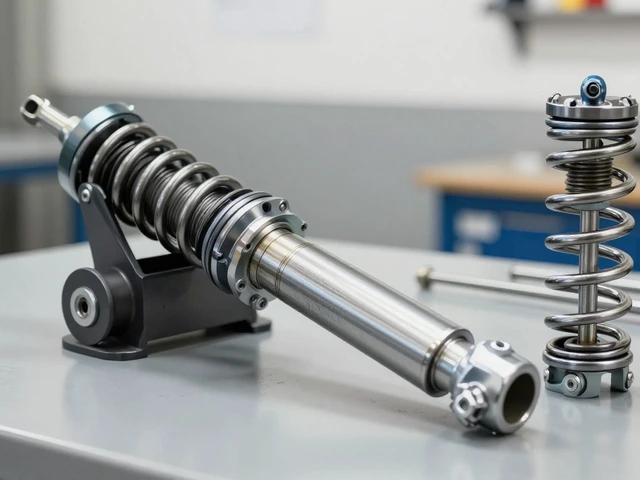
Lowering springs are simply shorter, stiffer coils that replace your factory springs. They are cheap and easy to install. You drop them in, compress the shock absorbers, and you’re done. The downside? You are stuck with whatever ride quality that specific spring rate provides. If it’s too hard, you can’t soften it up. If it sags over time, you have to buy new ones.
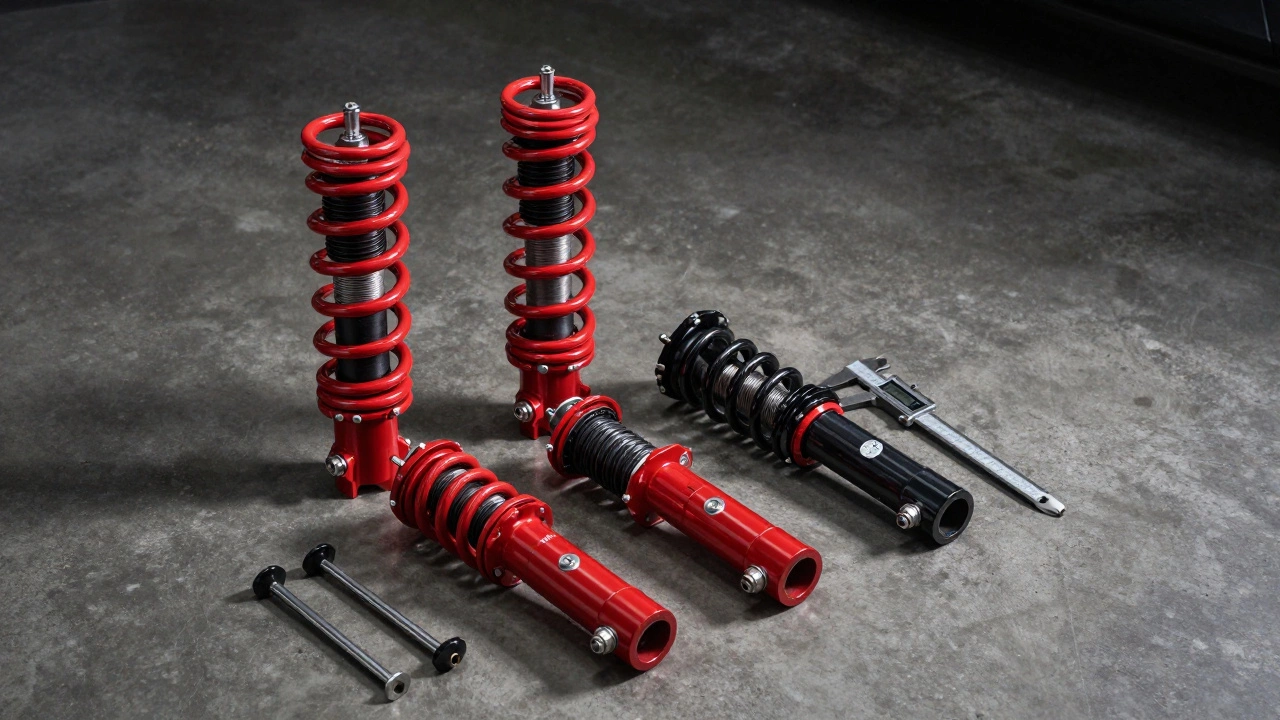
Coilovers combine the spring and the shock absorber into one unit. They allow you to adjust the ride height and often the damping stiffness. This makes them ideal for track days where you might want the car low and stiff, then raise it and soften it for Sunday grocery runs. But they cost significantly more and require professional installation to ensure proper alignment.
The Hidden Costs: What Else Do You Need?
Here is where most beginners get burned. Buying a set of lowering springs is rarely the end of the story. When you drop a car, you alter the angles of all the suspension components. If you ignore these changes, you will experience premature wear, uneven tire tread, and poor handling.
First, you almost certainly need an alignment. Dropping the car changes the camber and toe settings. Without a proper alignment, your tires will eat themselves alive within a few thousand kilometers. Expect to pay around $150-$250 AUD for a four-wheel alignment after installation.
Second, consider camber bolts or adjustable control arms. Factory suspensions are designed for a specific ride height. When you drop the car by 30mm or more, the upper control arm moves inward, pushing the top of the tire in. This creates negative camber. While slight negative camber helps cornering, too much causes inner tire wear. Camber bolts allow you to correct this angle without buying expensive custom control arms.
Third, check your shock absorbers. Factory shocks are calibrated for factory springs. Pairing a heavy-duty lowering spring with a worn-out or soft factory shock can lead to bottoming out. If your shocks are older than five years or have high mileage, replace them simultaneously. Using a matching spring and shock kit ensures the suspension works as a unified system.

Will It Ruin My Daily Driver?
If you live in Melbourne, you know our roads aren’t perfect. Potholes, tram tracks, and speed bumps are everywhere. A stock suspension is designed to absorb these imperfections comfortably. Lowering springs reduce the suspension travel-the distance the wheel can move up and down before hitting internal stops.
With less travel, you feel every bump. That small crack in the driveway? You’ll hear it. That speed bump you usually glide over? You’ll feel it jar your spine. If you choose a spring that drops your car too much (more than 40-50mm), you risk scraping the undercarriage regularly. In wet weather, water splash-back can hit your engine bay, potentially causing electrical issues if not managed.
For a daily driver, a moderate drop of 20-30mm is the sweet spot. It gives you the aesthetic improvement and handling boost without making the car undrivable. Brands like Eibach, Bilstein, and H&R offer "Pro-Kit" solutions that include both springs and shocks tuned for street use. These are often worth the extra investment over cheap, generic springs found online.
How to Choose the Right Spring Rate
Not all lowering springs are created equal. The "spring rate" measures how stiff the spring is, usually expressed in Newtons per millimeter (N/mm). A higher number means a stiffer spring.
- Street Use: Look for springs that increase the rate by 10-20% over stock. This maintains some compliance for bumps while improving handling.
- Sport/Track: Rates may increase by 30-50%. These are very stiff and best reserved for cars that see regular track time.
- Show/Stance: Extremely low profiles with variable rates. Not recommended for driving more than a few blocks.
Always read reviews specific to your car model. A spring that works well for a BMW 3-Series might be unbearable on a heavier Audi A4. Weight distribution matters. Heavier cars need stronger springs to prevent sagging, which defeats the purpose of the modification.
Installation Tips for DIYers
If you plan to install lowering springs yourself, safety is paramount. You will need a spring compressor. Never attempt to remove a coil spring without properly compressing it first. A released spring can cause serious injury or death.
- Lift the car securely on jack stands.
- Remove the wheels and disconnect the shock absorber from the control arm.
- Use a spring compressor to squeeze the old spring until it is loose enough to remove.
- Transfer the mounting hardware to the new lowering spring.
- Reassemble carefully, ensuring the spring seats correctly in its perch.
- Repeat for all four corners.
- Get a professional alignment immediately after installation.
If you don’t own a spring compressor, renting one or paying a mechanic is cheaper than going to the hospital. Most independent garages charge less for spring swaps than dealerships.
Legal and Insurance Considerations
In Australia, modifying your suspension is legal as long as it doesn’t make the vehicle unsafe. However, you must ensure the car still meets roadworthy standards. Excessive negative camber or rubbing tires can fail a Roadworthiness Certificate (RWC) inspection.
Inform your insurance provider about the modification. Some policies exclude coverage for modified vehicles unless declared. Failing to disclose lowering springs could void your claim in the event of an accident, especially if the suspension failure contributed to the crash.
Final Verdict: Are They Worth It?
Lowering springs are worth it if you value handling precision and aggressive aesthetics over ultimate comfort. They transform a bland commuter car into something that feels connected to the road. For the price of a nice dinner, you can achieve a dramatic change in your car’s character.
However, they are not worth it if you commute on terrible roads, carry heavy loads frequently, or refuse to invest in complementary parts like alignments and camber adjustments. Cheap springs on a neglected suspension will result in a harsh, bouncy, and dangerous ride.
Do your research. Choose reputable brands. Match the drop to your lifestyle. And always, always get an alignment. Your tires-and your wallet-will thank you.
How much should I lower my car for daily driving?
For daily driving, a drop of 20-30mm is ideal. This improves stance and handling without causing excessive scraping on speed bumps or driveways. Drops greater than 40mm are generally reserved for track use or show cars.
Do lowering springs wear out faster than stock springs?
Quality lowering springs from reputable brands often last as long as or longer than stock springs. However, cheap, unbranded springs may sag or break prematurely. Always choose springs made from high-tensile steel with proper heat treatment.
Can I install lowering springs myself?
Yes, but only if you have the right tools, specifically a spring compressor. It is a moderately difficult job that requires mechanical aptitude. If you are unsure, hire a professional to avoid injury or damage to the suspension components.
Will lowering springs improve fuel economy?
Slightly. Lowering the car reduces aerodynamic drag by minimizing air flow underneath the vehicle. However, the effect is minimal-usually less than 1-2% improvement-and is not a primary reason for the modification.
What is the difference between lowering springs and spacers?
Lowering springs replace the original springs to drop the car. Spacers are added to lift the car or adjust wheel offset. They serve opposite purposes. Lowering springs improve handling; spacers are typically used for fitment of larger wheels.
Do I need new shocks if I install lowering springs?
Not always, but it is highly recommended if your current shocks are old or worn. Matching springs and shocks ensures optimal performance and longevity. Many manufacturers sell complete strut assemblies that include both.
Will lowering my car affect warranty?
It depends on your manufacturer’s policy. Generally, modifications do not void the entire warranty, but any damage directly caused by the modification (e.g., broken control arms due to extreme lowering) may not be covered. Check your warranty terms before proceeding.