
Lowering Springs Compatibility & Cost Estimator
Enter your vehicle details to see if lowering springs are a safe choice for your current setup.
Suspension Health Assessment
Estimated Costs (AUD)
Ground Clearance Impact
Original Gap: ~150mm (Typical Sedan)
New Gap: 0mm
Note: Always measure your specific car's wheel-to-fender gap before installation. Approach steep driveways at an angle.
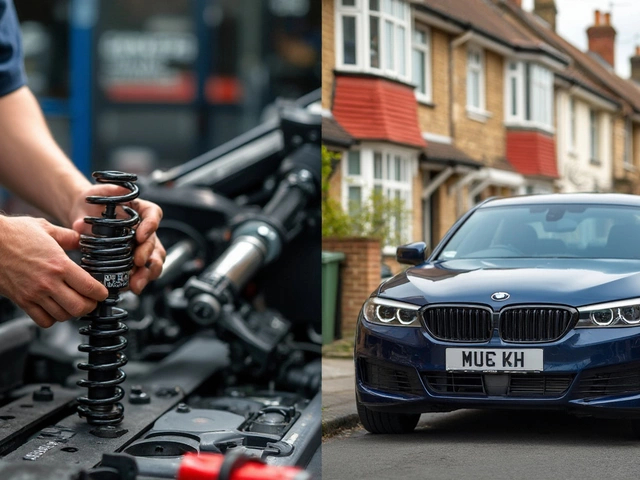
You see a car with a sleek, aggressive stance. The wheels fill the arches perfectly. You want that look for your daily driver, but you don't want to spend thousands on coilovers or air suspension. So, you ask the million-dollar question: can I put lowering springs on stock suspension?
The short answer is yes, absolutely. It’s one of the most common entry-level modifications in the automotive world. But there is a catch. While it is physically possible and often cost-effective, it changes how your car behaves in ways that might annoy you if you aren't prepared. In Melbourne, where road conditions vary from smooth city streets to rougher suburban backroads, this decision requires some thought.
What Are Lowering Springs Exactly?
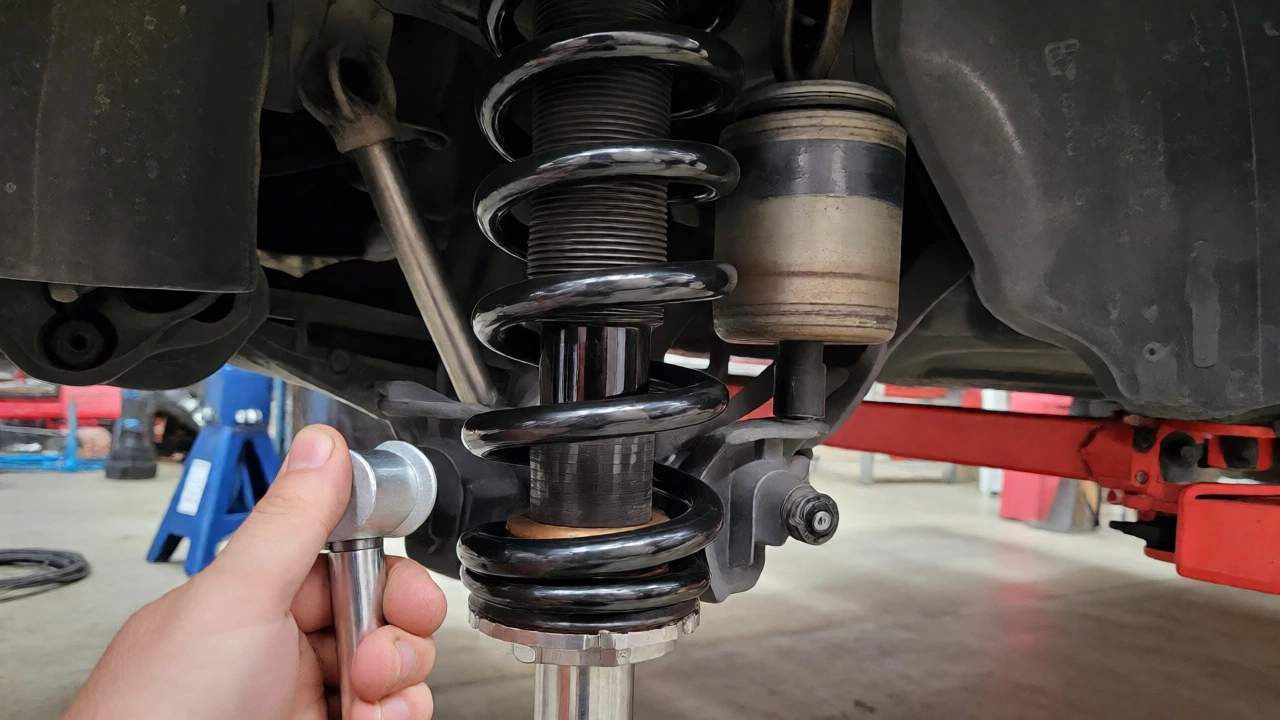
Lowering springs are stiffer, shorter coil springs designed to replace your factory springs. Unlike adjustable coilovers, they come in a fixed drop-usually between 1 inch (25mm) and 2 inches (50mm). They bolt directly onto your existing shock absorbers and struts. That's the key selling point: no need to buy new dampers immediately, though many enthusiasts recommend doing so later for optimal performance.
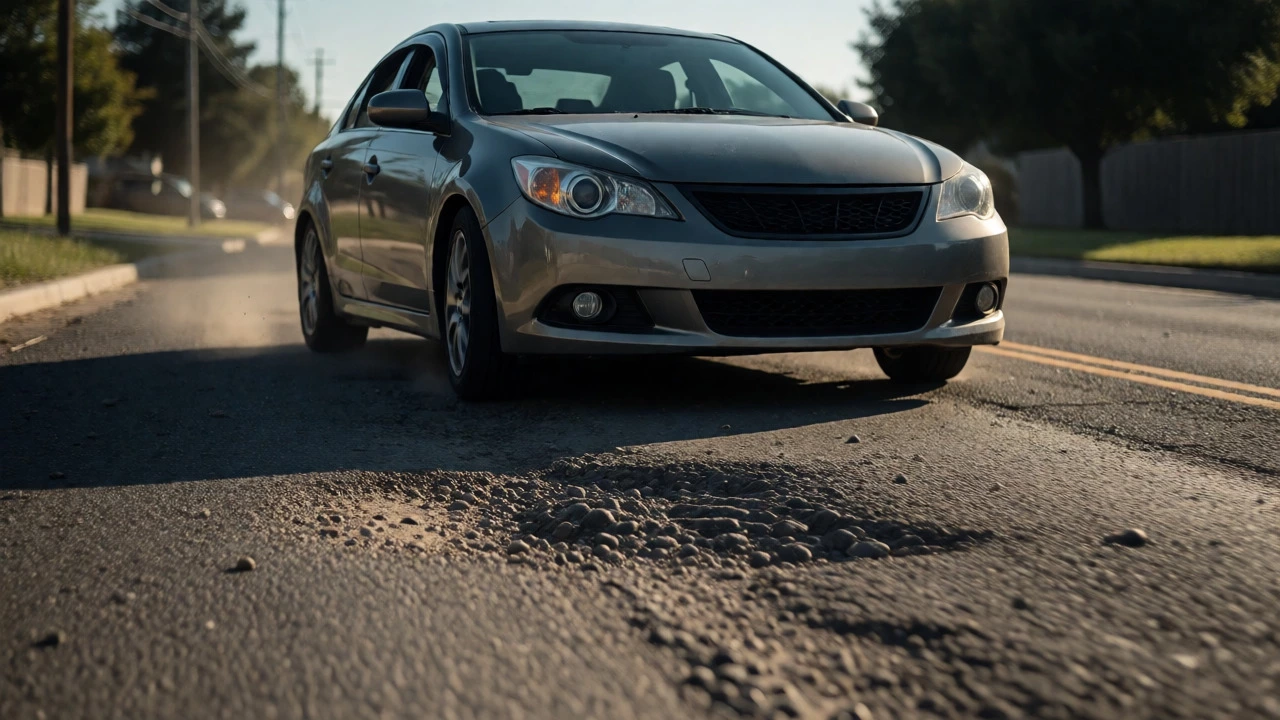
Think of them as a cosmetic tweak that accidentally improves handling. By lowering the center of gravity, you reduce body roll during cornering. Your car feels more planted. However, because these springs are stiffer than stock units, they transmit more road imperfections into the cabin. You will feel every pothole and speed bump.
The Compatibility Check: Will They Fit?
Before you click "buy," you need to verify compatibility. Not all lowering springs are created equal. Reputable brands like Eibach, H&R, and Tein design specific kits for specific makes and models. If you have a 2018 Honda Civic Type R, you can't just grab springs meant for a 2020 model without checking the specs.
Here is what you need to check:
- Model Year and Trim: A base model sedan often has different spring rates and mounting points than its sportier sibling. Always match the exact trim level.
- Drop Amount: A 30mm drop is subtle and usually safe for stock shocks. A 60mm drop pushes the limits of what factory dampers can handle comfortably.
- Load Rating: Ensure the springs can support the weight of your vehicle. Under-rated springs will sag over time, leading to a bouncy, unstable ride.
If you drive a heavy SUV or a car with a large engine, be extra cautious. Heavy front ends require progressive-rate springs that can support the weight without bottoming out constantly.
The Shock Absorber Dilemma
This is the part most people ignore until they start driving. Can you run lowering springs on old, worn-out stock shocks? Technically, yes. Practically, it’s a bad idea.
Stock shock absorbers are valved for the travel distance and stiffness of factory springs. When you shorten the spring and stiffen the rate, the damper works harder. If your shocks are already five years old with 80,000 kilometers on the clock, they likely lack the damping force to control the new springs. This results in a phenomenon called "bouncing." After hitting a bump, your car oscillates up and down multiple times instead of settling quickly.
| Shock Condition | Expected Ride Quality | Wear Risk | Recommendation |
|---|---|---|---|
| New / Low Mileage (<40k km) | Firm but acceptable | Low to Medium | Monitor for leaks after 6 months |
| Moderate Wear (40k-80k km) | Bouncy, harsh on bumps | Medium to High | Plan to replace shocks within 1 year |
| High Wear (>80k km) | Unstable, poor control | Very High | Replace shocks immediately with installation |
In Australia, our roads can be unforgiving. Running tired shocks with stiff springs accelerates wear on bushings and ball joints. If you plan to keep the car long-term, budget for a set of compatible shocks. Brands like KYB Excel-G or Bilstein B4 are excellent direct replacements that pair well with mild lowering springs.
Ride Height vs. Ground Clearance
There is a difference between looking good and being able to drive home. Lowering springs reduce ground clearance. For most sedans and hatchbacks, a 30-40mm drop is manageable. You can still clear standard speed bumps and steep driveways, provided you approach them at an angle.
However, consider your daily environment. Do you live in an area with high curbs? Do you park in tight spots with concrete stops? A lowered car scrapes easier. If you drive a Subaru WRX or a lifted truck, the geometry is different. Trucks often require specific "drop kits" rather than simple spring swaps to maintain proper CV joint angles.
A practical tip: Before installing, measure your current wheel-to-fender gap. Subtract the intended drop amount. Visualize that new gap. Is it too small? Some owners prefer a slight rake (front higher than rear) which looks better and helps with clearance when braking.
Alignment and Geometry Changes
When you lower a car, you change the suspension geometry. The control arms tilt, affecting camber and toe settings. Even if your alignment was perfect before, it will be off after installation.
You must get a four-wheel alignment after fitting lowering springs. Ignoring this step leads to uneven tire wear. You might find yourself buying new tires every 15,000 kilometers instead of 40,000. Furthermore, improper alignment can cause the car to pull to one side, making highway driving tiring.
Some shops offer "camber bolts" or adjustable control arms to correct negative camber induced by lowering. For mild drops (under 40mm), standard shims and eccentric bolts usually suffice. For aggressive drops, you may need aftermarket components to restore optimal contact patch angles.
Cost-Benefit Analysis
Let’s talk numbers. A full coilover kit costs significantly more than a set of springs. Coilovers offer adjustability-you can fine-tune the ride height and damping force. Lowering springs are a one-shot deal. Once installed, that’s your height forever unless you swap them out again.
For beginners or those on a budget, springs are the logical first step. They provide 80% of the visual benefit for 30% of the cost. If you decide you hate the ride quality, removing them is relatively easy. You can reinstall your stock springs and sell the lowering ones on platforms like Facebook Marketplace or Gumtree.
Consider the resale value impact. Purists often prefer stock setups. Modified cars can sometimes take longer to sell. However, a tasteful, clean drop with matching wheels appeals to a broad audience. Just ensure the modification is reversible and documented.
Installation Tips for DIY Enthusiasts
If you are handy with tools, you can install lowering springs yourself. Here is a quick checklist to avoid headaches:
- Safety First: Use jack stands. Never rely solely on a hydraulic jack.
- Compress Carefully: Spring compressors are dangerous if used incorrectly. Ensure the spring is centered and secure before tightening.
- Lubricate Mounts: Apply grease to the top mount bearings to prevent squeaks and binding.
- Torque Specs: Follow manufacturer torque specifications for lug nuts and strut bolts. Over-tightening can strip threads or crack mounts.
- Test Drive Gradually: Don’t hit the highway at 110km/h immediately. Take a slow loop around the block to listen for rattles and check for rubbing.
If you hear clunking noises, re-check your stabilizer bar links. Lowering the car stretches these links, sometimes causing them to bind or pop out of their mounts. Extending brackets are available if needed.
Do lowering springs ruin my shocks?
They don't instantly destroy them, but they accelerate wear. Stiffer springs demand more from dampers. If your shocks are new, they should last another few years. If they are old, expect them to fail sooner. Many manufacturers void warranties on shocks if paired with non-recommended springs, so check the fine print.
How much does it cost to install lowering springs?
In Australia, professional installation typically ranges from $300 to $600 AUD depending on the shop and location. This usually includes removal of old springs, installation of new ones, and disposal. Alignment is extra, costing another $100-$150. DIY installation saves labor costs but requires purchasing or renting spring compressors ($50-$100).
Will lowering springs affect my fuel economy?
Not directly. Lowering reduces aerodynamic drag slightly, which can marginally improve efficiency at high speeds. However, the stiffer suspension increases rolling resistance and vibration, potentially offsetting gains. Any change is negligible for daily driving. Focus on handling and aesthetics rather than fuel savings.
Can I use lowering springs with aftermarket wheels?
Yes, this is a popular combination. Just ensure you account for both the drop and the wheel offset/tire size. Aggressive offsets combined with low-profile tires and a significant drop increase the risk of rubbing against fenders or inner liners. Mock-up test fits are recommended before final installation.
Are lowering springs noisy?
They can be. Without proper lubrication on top mounts, you may hear creaking over bumps. Also, if the springs are not seated correctly in the perch, they can rattle. Using rubber isolators or ceramic coating on the spring seats can help reduce noise transmission into the chassis.
Ultimately, putting lowering springs on stock suspension is a viable, affordable way to transform your car’s appearance and sharpen its responses. It isn't a race-car solution, but for the street, it hits the sweet spot between cost and cool factor. Just respect the mechanical implications, align the wheels, and enjoy the view.