LED Headlight Upgrade Advisor
Considering swapping your halogens for LEDs? This tool analyzes your vehicle type, budget, and driving habits to calculate a "Worth It" score based on common disadvantages like glare, installation complexity, and hidden costs.
Upgrade Score
--Key Factors Analyzed:
You swap out your old halogen bulbs for shiny new LED headlights and suddenly your night driving feels like you’re piloting a spaceship. The beam is crisp, white, and cuts through darkness with zero effort. But then you hit the highway at 100 km/h, see an oncoming driver flash their high beams in anger, or realize your local mechanic quoted you $400 for a pair of replacements that last five minutes before flickering out. It’s not all sunshine and laser precision.
While LEDs have revolutionized automotive lighting since becoming standard in premium cars around 2015, they aren’t a magic upgrade for every vehicle or every budget. If you are considering switching from halogens or HID xenon lights, you need to know what could go wrong. This isn’t just about brightness; it’s about compatibility, legality, and hidden costs that don’t show up on the packaging.
The Glare Problem: Why Other Drivers Hate Your New Lights
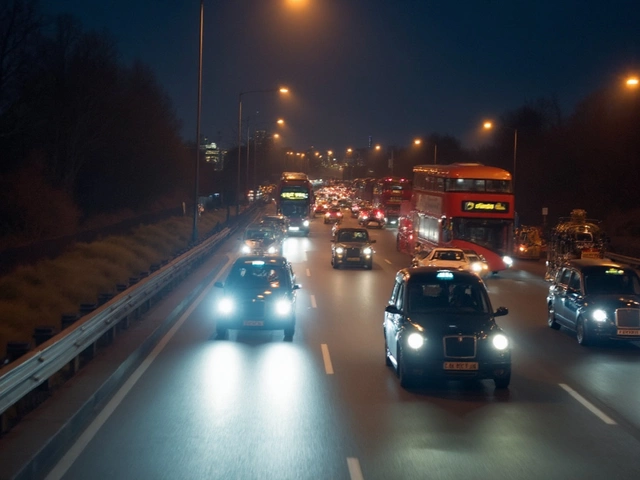
Let’s address the elephant in the room first. The biggest complaint about aftermarket LED upgrades isn’t technical failure-it’s social friction. Halogen bulbs emit light in a broad, yellowish spectrum that spreads out as it travels. LEDs produce a highly focused, directional beam with a sharp cut-off line. When you install a cheap LED bulb into a housing designed for a halogen reflector, that sharp cut-off gets distorted. Instead of illuminating the road ahead, the light scatters upward into the eyes of oncoming traffic.
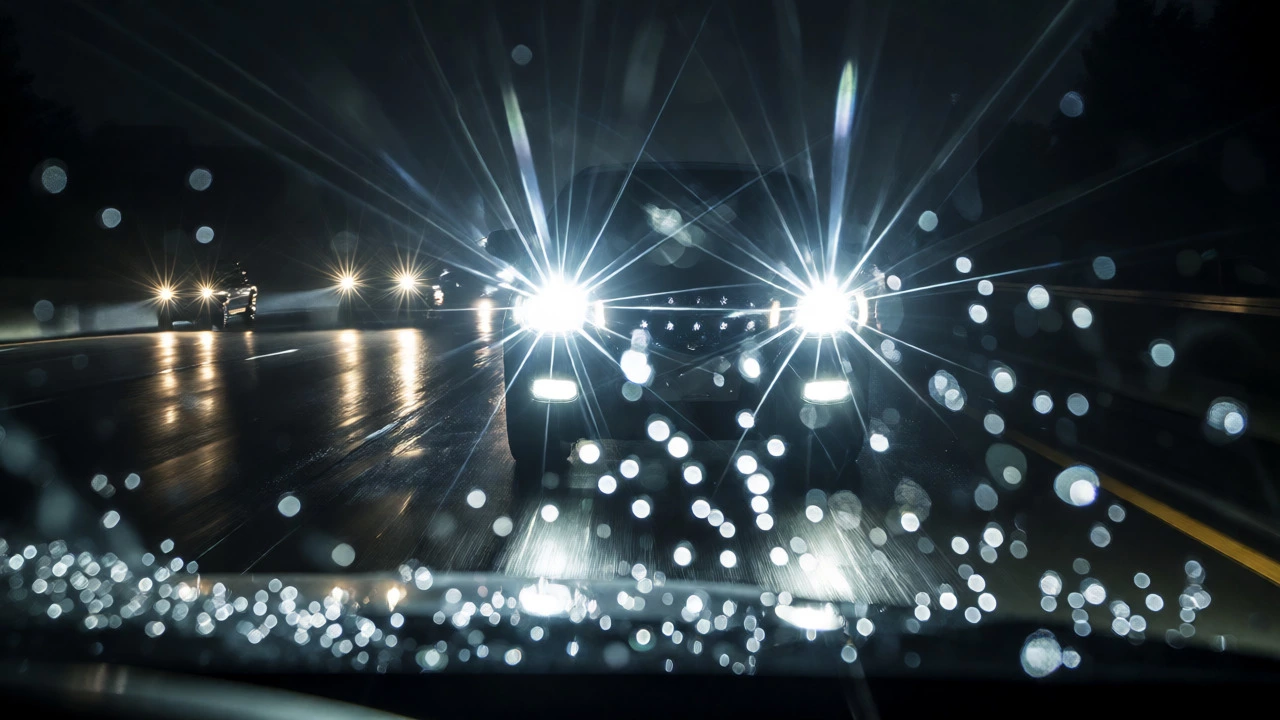
This creates intense glare. You might see better, but the driver coming toward you sees nothing but a blinding wall of white light. In Australia, this has led to increased scrutiny from authorities. While factory-installed LED systems use complex projectors and lenses to control the beam pattern, retrofit kits often lack these optical components. The result? You become the "that guy" who needs to be flashed repeatedly because your low beams look like high beams to everyone else.
| Light Source | Beam Pattern | Glare Risk | Optical Control |
|---|---|---|---|
| Halogen Bulb | Broad, diffuse spread | Low | Reflector only |
| Aftermarket LED Kit | Focused but scattered if misaligned | High (if poor quality) | Minimal (often no lens) |
| Factory LED System | Precise, controlled cut-off | Very Low | Projector + Lens + Shield |
The Cost Barrier: Upfront Price and Replacement Risks
Price is the second major hurdle. A standard H7 halogen bulb costs between $15 and $30 AUD at any auto parts store in Melbourne. They are simple filaments inside glass. An equivalent quality LED replacement kit typically ranges from $80 to $200 per pair. That’s a 5x to 10x increase for the same basic function: putting light on the road.
But the sticker price isn’t the whole story. Consider longevity claims. Manufacturers promise 30,000 to 50,000 hours of life. Sounds great until you factor in heat management. Unlike halogens, which tolerate high temperatures relatively well, LED diodes degrade rapidly when overheated. Most cheap LED kits rely on small aluminum heatsinks or tiny fans. If dust clogs the fan or the thermal paste dries out after two years, the LED fails prematurely. Replacing a failed LED unit can cost more than replacing ten halogen bulbs over the same period.
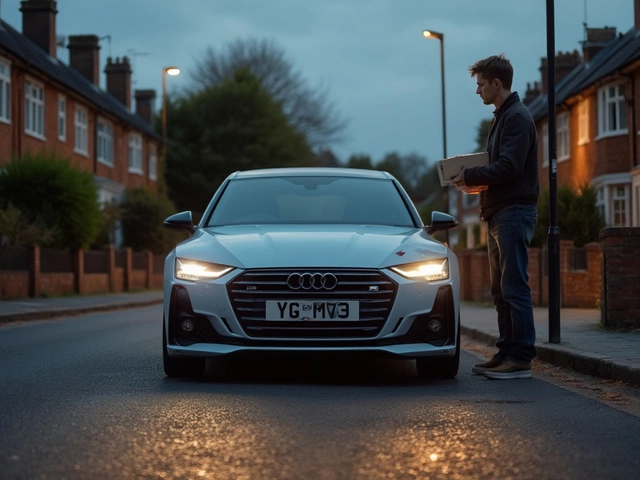
Furthermore, if you drive an older European car like a BMW E90 or Audi B8, the issue escalates. These vehicles have sensitive electrical monitoring systems. Plugging in a non-OEM LED bulb can trigger dashboard error messages like "Bulb Out" or cause flickering due to voltage mismatches. Fixing this requires installing CANbus decoders-additional resistors that dissipate power as heat. This adds complexity, potential points of failure, and another $20-$40 to the bill.
Installation Complexity and Fitment Issues
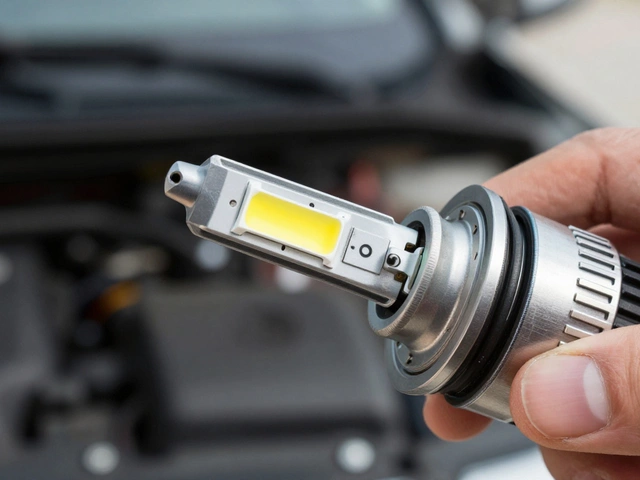
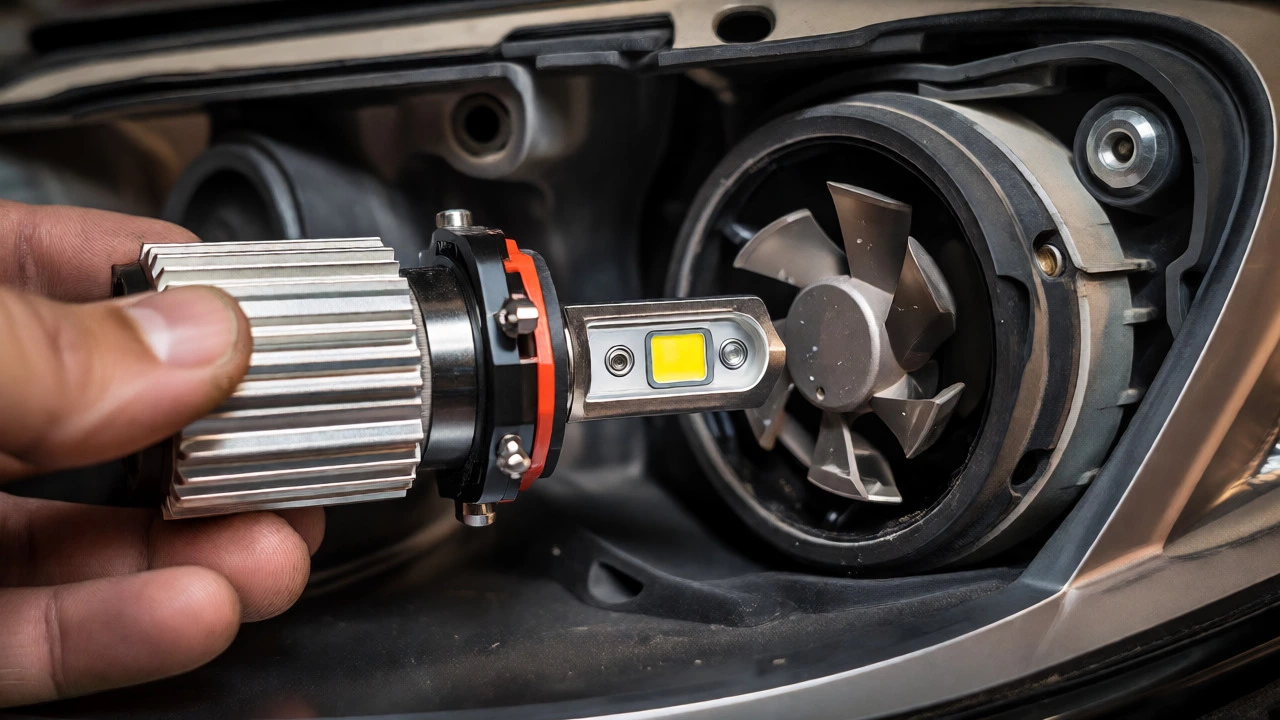
Don’t assume "plug and play" means easy. Many modern headlight housings are tight spaces. LED bulbs are bulkier than halogens because they need room for heat sinks and drivers. You might find that the rubber dust cover won’t fit back on without modification. Cutting the rubber seal compromises water resistance, leading to foggy headlights within months-a common failure mode we see in detailing shops.
Alignment is another critical factor. Halogen filaments are centered precisely in the reflector. LED chips sit on a substrate that may not match the exact focal point of the original design. Even a millimeter difference can shift the beam pattern significantly. Without professional alignment tools, you risk aiming your lights too high (blinding others) or too low (illuminating only the bumper). Professional alignment services charge $50-$100, adding to the total cost of ownership.
Color Temperature and Visibility Trade-offs
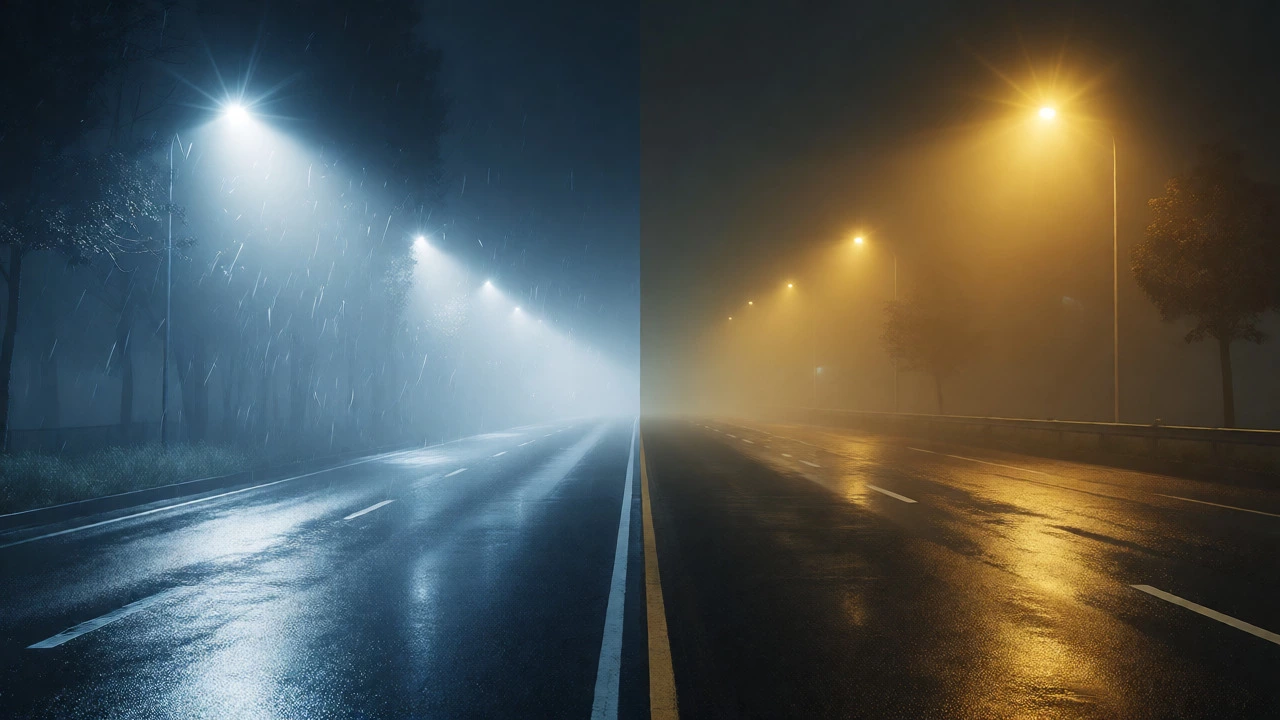
There is a misconception that whiter light equals better visibility. Not always. Pure white (6000K-6500K) looks cool and modern, but it contains less red and orange wavelengths. During heavy rain or fog, these shorter wavelengths scatter more easily off water droplets, creating a "whiteout" effect where you see a bright wall of mist rather than the road surface. Yellow-tinted halogens (3000K-3500K) actually penetrate fog better due to longer wavelengths.
If you live in a region with frequent wet weather, such as the Pacific Northwest or coastal areas of Victoria, extremely bright white LEDs might reduce effective visibility in poor conditions compared to high-quality halogens. Some users opt for 4300K-5000K LEDs as a compromise, but this reduces the perceived brightness advantage.
Legality and Compliance Concerns
Automotive lighting regulations vary by country and state. In Australia, modifications must comply with Australian Design Rules (ADR). Retrofitting LEDs into housings not originally approved for them can technically render your vehicle non-compliant during inspection. While enforcement varies, police can issue fines for "excessive glare" or improper beam patterns.
Factory-fitted LED headlights are certified as complete assemblies. Aftermarket bulbs are accessories. The distinction matters legally. If you crash at night and the other party claims your lights blinded them, insurance investigations might scrutinize whether your modification was compliant. Always check local transport authority guidelines before modifying your lighting system.
Heat Management and Electrical Load
LEDs generate significant heat at the base of the chip, even though they run cooler than halogens overall. This heat must be dissipated away from the delicate semiconductor. Poorly designed LED kits fail here. We’ve seen units where the internal fan stops spinning after six months due to bearing wear. Once cooling fails, the LED degrades quickly, often turning dim or purple before dying completely.
Additionally, while LEDs draw less current than halogens, the electronic drivers require stable voltage. In older cars with aging alternators or fluctuating voltage regulators, this instability can cause flickering or shortened lifespan. Adding load resistors to fix CANbus errors increases current draw, negating some energy-saving benefits.
When Should You Stick with Halogens?
Despite the drawbacks, LEDs offer undeniable advantages in color rendering and efficiency. However, sticking with halogens makes sense if:
- Your budget is tight and you prioritize simplicity over aesthetics.
- You drive primarily in heavy fog or rain and prefer warmer color temperatures.
- Your vehicle has sealed headlight units where opening them voids warranties or risks moisture ingress.
- You want zero maintenance and predictable performance without worrying about electronics.
For many daily commuters, high-performance halogen bulbs like Philips X-tremeVision provide 20% more brightness than standard halogens at a fraction of the cost and hassle of LEDs. They fit perfectly, align correctly, and never blind anyone unexpectedly.
Frequently Asked Questions
Do LED headlights really save money in the long run?
Not necessarily for most private car owners. While LEDs consume less electricity, the fuel savings are negligible (less than 1% of total consumption). The higher upfront cost and potential for premature failure due to heat issues often mean you spend more over five years compared to buying multiple sets of cheap halogen bulbs.
Why do my LED headlights flicker?
Flickering usually indicates a voltage mismatch or CANbus error. Modern cars monitor bulb resistance. LEDs have lower resistance than halogens, causing the car's computer to think the bulb is out and pulse power to test it. Installing a CANbus decoder resistor stabilizes the circuit and stops the flicker.
Are LED headlights illegal in Australia?
They are not inherently illegal, but they must meet specific standards. If you retrofit LEDs into a halogen housing, the beam pattern must still comply with ADR requirements regarding glare and cut-off lines. Poorly aligned aftermarket LEDs can lead to fines for excessive glare, even if the bulb itself is compliant.
How long do LED headlights actually last?
Manufacturer claims of 50,000 hours are theoretical maximums under ideal lab conditions. In real-world automotive environments with vibration, moisture, and heat cycles, a typical lifespan for a mid-range LED kit is 2 to 4 years. Premium brands with robust thermal management may last longer, but rarely reach the advertised limits.
Can I install LED headlights myself?
Yes, physically installing them is often straightforward. However, achieving correct beam alignment is difficult without professional equipment. Improper installation leads to glare complaints and reduced safety. If you attempt DIY, ensure you have access to a wall or garage door to check and adjust the vertical and horizontal aim after fitting.