NC Window Tint Compliance Checker
Enter the Visible Light Transmission (VLT) percentage of your window film to see if it complies with North Carolina state law.
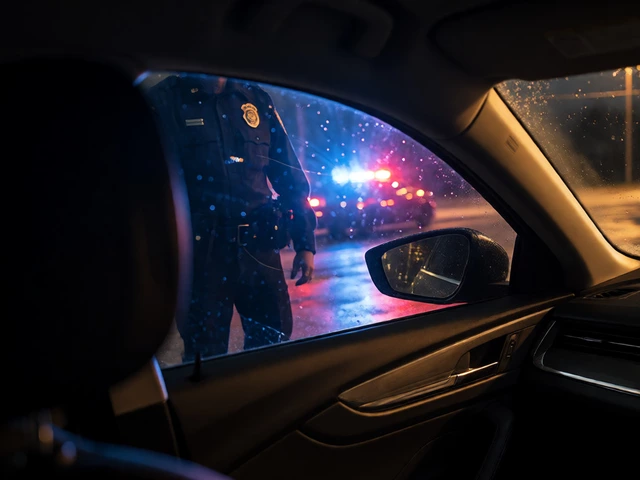
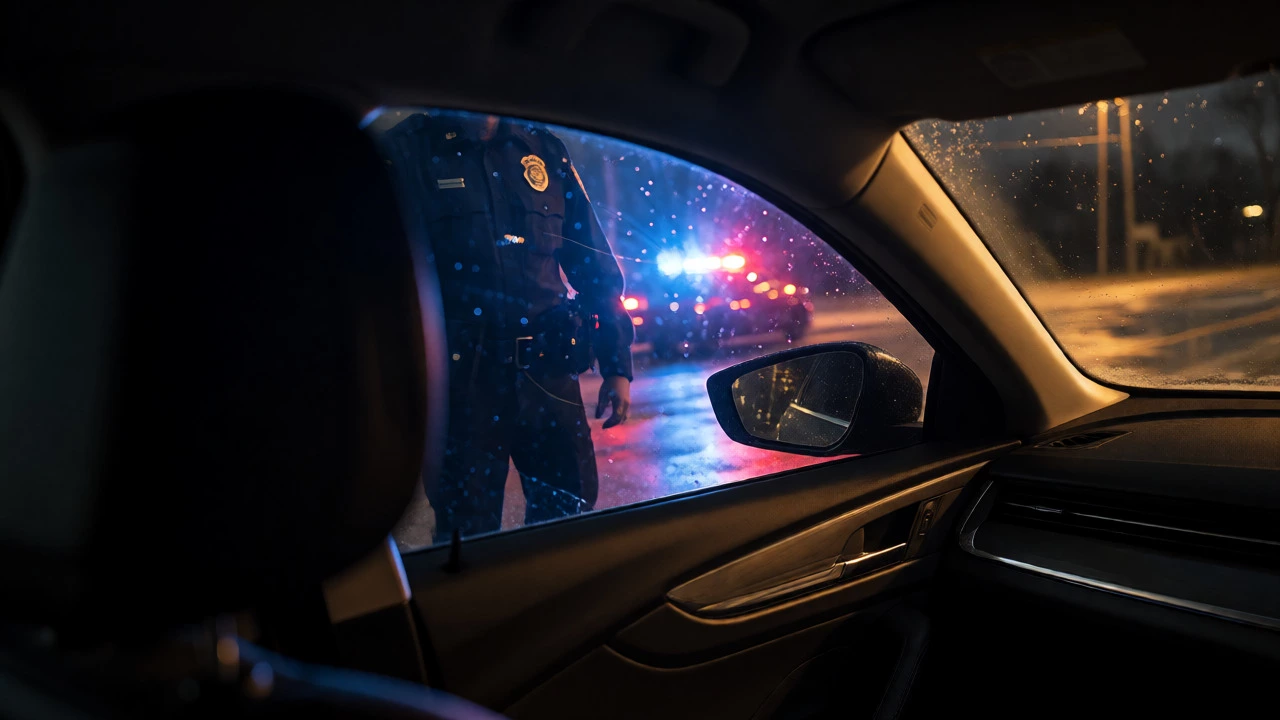
You just got your windows done. The ride looks sleek, the interior stays cool, and you feel like a movie star behind the glass. Then, two weeks later, blue lights flash in your rearview mirror. The officer asks for your license and registration, then points at your side windows. You’re getting a ticket because your legal tint in NC doesn’t match what the state actually allows.
This happens more often than you’d think. People assume that if it looks good, it’s legal. Or they copy their buddy’s setup without checking the local rules. But North Carolina has specific numbers you need to hit, or you pay the price. It’s not just about aesthetics; it’s about compliance. If you’re driving in the Tar Heel State, you need to know exactly how dark you can go before you roll out of the shop.
The Hard Numbers: Understanding VLT Limits
Let’s cut through the confusion. When people talk about "tint darkness," they are usually talking about Visible Light Transmission (VLT). This is the percentage of light that passes through the film and into your eyes. A higher number means lighter tint. A lower number means darker tint. In North Carolina, the law draws a hard line based on which part of the car you are looking at.
For the front side windows-those are the ones next to the driver and the front passenger-the limit is strict. You cannot have less than 35% VLT. That means at least 35% of visible light must get through. Many installers will try to sell you 20% or 15% because it looks cooler. But if you put 20% on your front doors in NC, you are breaking the law. Period.
The rear windows are different. Since most modern cars come with factory-tinted rear glass, the law is more lenient here. For the back side windows and the rear windshield, there is no restriction on darkness. You can go as dark as you want, even down to 5% (often called "limo tint"), as long as you have dual side mirrors. This distinction trips up a lot of drivers. They treat all windows the same, but the law does not.
| Window Location | Maximum Darkness (Minimum VLT) | Notes |
|---|---|---|
| Windshield | Non-reflective tint allowed only on top 6 inches (AS-1 line) | No full windshield tint allowed. |
| Front Side Windows | Must allow > 35% light transmission (35% VLT) | Strict enforcement area. |
| Back Side Windows | Any darkness permitted | Requires dual side mirrors. |
| Rear Windshield | Any darkness permitted | Requires dual side mirrors. |
The Windshield Rule: Don’t Get Greedy
A lot of folks want that full-shade look across the whole car. They ask for 5% on everything, including the windshield. In North Carolina, this is a big mistake. The law prohibits any non-reflective tint below the AS-1 line on the windshield. The AS-1 line is that little band at the very top of your glass where the sun visors meet the roof. You can have tint there, but nothing below it.
Why is this rule so strict? Visibility. Police officers need to see your face, your hands on the wheel, and your general demeanor during a traffic stop. If your windshield is too dark, it raises safety concerns. Plus, reflective tints are banned entirely on the windshield. So, if you’re thinking about those shiny, mirrored films, save them for the rear glass if you really want that look, but keep the front clear.
Reflectivity: It’s Not Just About Darkness
Here’s another trap many DIY tinters fall into. They focus only on VLT percentages and ignore reflectivity. North Carolina limits the amount of reflection on your windows. Your front side windows cannot be more than 25% reflective. The rear windows and windshield can also be up to 25% reflective, but remember the windshield position rule still applies.
What does 25% reflectivity look like? It’s subtle. Some high-end ceramic films have a slight sheen, which is fine. But cheap metallic films can look like mirrors. If you pull up to a stoplight and your neighbor sees his own face in your door panel, you might be over the limit. Reflective tint can also interfere with toll transponders like E-ZPass. If you use NC Quick Pass, heavy metallic tint can block the signal, causing unnecessary hassle at toll booths.
Medical Exceptions: Do They Exist?
Some drivers claim they need darker tint for medical reasons. Maybe they have lupus, skin cancer history, or severe migraines triggered by sunlight. Does North Carolina allow an exception for this?
Yes, but it’s not a free pass. You cannot just buy darker film and hope nobody checks. You need official documentation. Specifically, you need a signed statement from a licensed physician stating that the patient requires darker tint due to a specific medical condition. This document must be kept in the vehicle at all times. If you get pulled over, you hand this note to the officer along with your license.
Keep in mind that police officers have discretion. They might accept the note, or they might still write you a ticket if the tint looks excessively illegal (like 5% on the front). Always check with your local DMV or a legal expert if you’re unsure about the validity of your medical exemption paperwork. It’s better to be safe than sorry when that blue light hits.
Fines and Consequences: What Happens If You Break the Law?
So, you ignored the 35% rule. What now? Getting caught with illegal tint in North Carolina isn’t just a slap on the wrist. It’s treated as a misdemeanor infraction in some contexts, but primarily it results in a fine.
First offenses typically carry a fine ranging from $50 to $100, depending on the county and the judge. But it’s not just about money. You’ll likely be given a "fix-it" ticket. This means you have a set period (usually 10 to 15 days) to remove the illegal tint and prove it to the court. If you don’t, the fine increases, and you could face additional penalties.
Repeat offenders face harsher consequences. If you’re pulled over again with the same illegal setup, expect higher fines and potentially mandatory court appearances. Insurance companies might also view multiple infractions negatively, though tint tickets rarely raise premiums significantly unless combined with other violations.
Choosing the Right Film: Ceramic vs. Carbon vs. Dyed
Now that you know the legal limits, let’s talk about what kind of film to buy. Not all tint is created equal. If you’re paying for 35% VLT, you want value, not just a dark sticker.
- Dyed Film: The cheapest option. It works by absorbing heat. Problem? It fades over time, turning purple or bubbling. It offers poor heat rejection. Avoid this if you live in NC summers.
- Metallic Film: Good heat rejection and durability. But it interferes with GPS, cell signals, and toll tags. Also, it can look too shiny if not careful with reflectivity limits.
- Carbon Film: A middle-ground favorite. No metal, so no signal interference. Matte finish looks classy. Better heat rejection than dyed. Great choice for staying legal and cool.
- Ceramic Film: The premium pick. Excellent heat rejection without the metallic look. Blocks UV rays effectively. Expensive, but worth it for comfort and longevity. Most reputable shops recommend this for front windows to maximize comfort within the 35% limit.
When you visit a shop, ask specifically for ceramic or carbon options for your front windows. Tell them you know the NC law is 35%. A good installer won’t argue. A bad one will try to upsell you on 20% "because it looks better." Push back. Ask them to show you a sample card with the exact VLT reading.
DIY vs. Professional Installation: Is It Worth the Risk?
Can you do it yourself? Sure. YouTube makes it look easy. But achieving a perfect 35% VLT without bubbles, creases, or uneven edges is hard. More importantly, professional installers usually offer a warranty. If the film peels or changes color, they fix it for free.
DIY kits often lack precision. You might accidentally apply 30% instead of 35%, putting you in the gray zone. Or worse, you might misalign the cut lines, leaving gaps that look sloppy. Given the cost of removing old tint and redoing it, paying a pro upfront saves headaches later. Look for certified installers who use computer-cut patterns for a precise fit.
Common Myths About NC Tint Laws
Let’s bust a few rumors floating around forums and Facebook groups.
Myth 1: "I can drive with 20% tint if I have a doctor’s note." Reality: You need the note in the car, and the officer may still cite you if the tint is egregious. The note explains why, but doesn’t always guarantee immunity from a ticket.
Myth 2: "Factory tint counts toward my limit." Reality: Yes, it does. Factory glass is often already 70-80% VLT. Adding a 35% film on top might result in an effective VLT lower than 35%. Always test the final result with a meter, not just the film spec sheet.
Myth 3: "Only police care about tint." Reality: Other drivers notice. Illegal tint can make you a target for aggressive tailgating or road rage because people can’t see your brake lights clearly. Safety first, style second.
Final Checklist Before You Drive Away
Before you leave the tint shop, run through this quick checklist to ensure you’re compliant with North Carolina state statutes regarding motor vehicle window equipment.
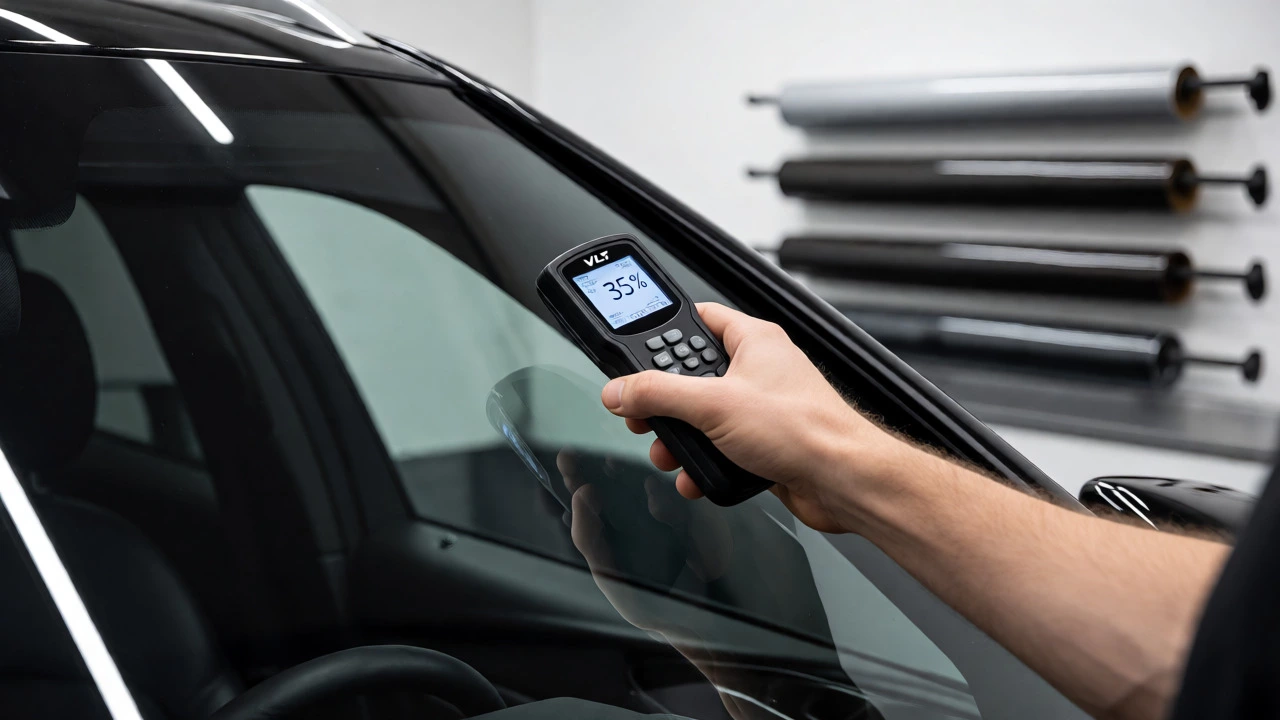
- Check the Front Sides: Ensure the film allows at least 35% light transmission. Use a tint meter if available.
- Inspect the Windshield: Confirm no tint exists below the AS-1 line.
- Verify Mirrors: If your rear windows are heavily tinted, ensure both left and right side mirrors are present and functional.
- Test Visibility: Sit in the driver’s seat at night. Can you see pedestrians clearly? If not, it’s too dark for safety, regardless of legality.
- Get Documentation: Keep your receipt and warranty info in the glove box. If you have a medical exemption, keep the doctor’s note handy.
Staying legal in North Carolina doesn’t mean sacrificing style. With the right film and proper installation, you can enjoy privacy, UV protection, and heat reduction without worrying about the next traffic stop. Knowledge is your best defense against fines. Now go enjoy that cool, comfortable ride.
What is the legal tint percentage for front windows in NC?
In North Carolina, front side windows must allow more than 35% of light in. This means the maximum darkness allowed is 35% VLT (Visible Light Transmission).
Is 20% tint legal on the front windows in North Carolina?
No, 20% tint is not legal on front side windows in NC. The minimum requirement is 35% VLT. Installing 20% tint on the front doors will likely result in a traffic citation.
How much is the fine for illegal window tint in NC?
Fines vary by county but typically range from $50 to $100 for a first offense. Repeat offenses or failure to correct the issue within the given timeframe can lead to increased fines and court costs.
Can I tint my windshield in North Carolina?
You can only apply non-reflective tint to the top six inches of the windshield (the AS-1 line). Full windshield tinting is prohibited under state law.
Do rear windows have tint restrictions in NC?
No, there are no darkness restrictions for rear side windows or the rear windshield in North Carolina, provided the vehicle has dual side mirrors.