Lowering Springs Cost Estimator
Select your options below to get a realistic estimate of your project cost in AUD.
Potential Hidden Costs
You want your car to sit lower. Maybe it’s for the aggressive stance you see on Instagram, or maybe you’re chasing better cornering stability. But before you hand over your credit card, you need a realistic number in your head. The sticker price of the springs is just the tip of the iceberg. If you budget only for the parts, you’ll be short when the invoice arrives.
Here is the raw truth: In Australia, as of late 2026, a complete lowering springs suspension modification involving replacing stock steel coils with shorter, stiffer units to reduce ride height job typically costs between $800 and $2,500 AUD. This range covers everything from basic entry-level kits installed by a local mechanic to premium brands fitted by specialist tuning shops. But why such a wide gap? Because "cost" includes the springs, the labor, alignment, potential part replacements, and sometimes unexpected headaches like broken bolts or worn bushings.
The Breakdown: Parts vs. Labor Costs
Let’s split the bill into two main buckets: hardware and human effort. Most people fixate on the spring price, but labor often equals or exceeds the cost of the parts themselves.
| Component | Budget Tier | Mid-Range | Premium Tier |
|---|---|---|---|
| Spring Kit Price | $350 - $600 | $700 - $1,200 | $1,400+ |
| Labor (Per Axle) | $150 - $250 | $250 - $400 | $400 - $600 |
| Wheel Alignment | $80 - $120 | $120 - $180 | $180 - $250 |
| Total Estimated Job | $730 - $970 | $1,070 - $1,780 | $1,980+ |
Notice the labor costs scale up with the brand. Why? Premium brands like Eibach or H&R are precision-engineered. Mechanics know that installing cheap, generic springs can lead to rattles or uneven settling later. They charge more because they spend extra time ensuring proper fitment and checking for clearance issues. Budget tiers often involve unbranded imports where the risk of poor quality is higher, so mechanics might rush the install or warn you about potential re-work.
Why Labor Isn't Just "Swapping Springs"
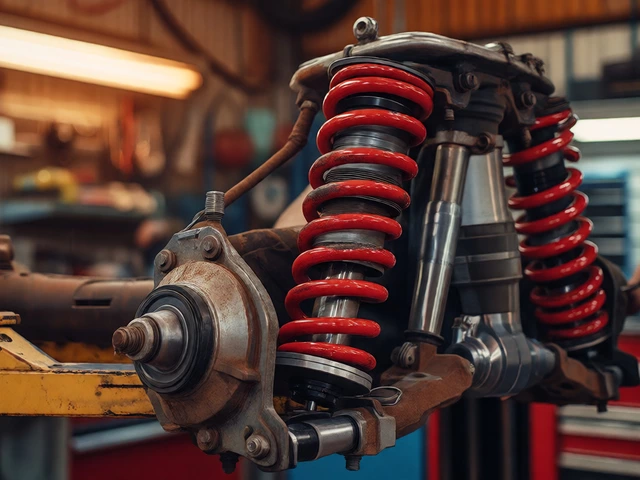
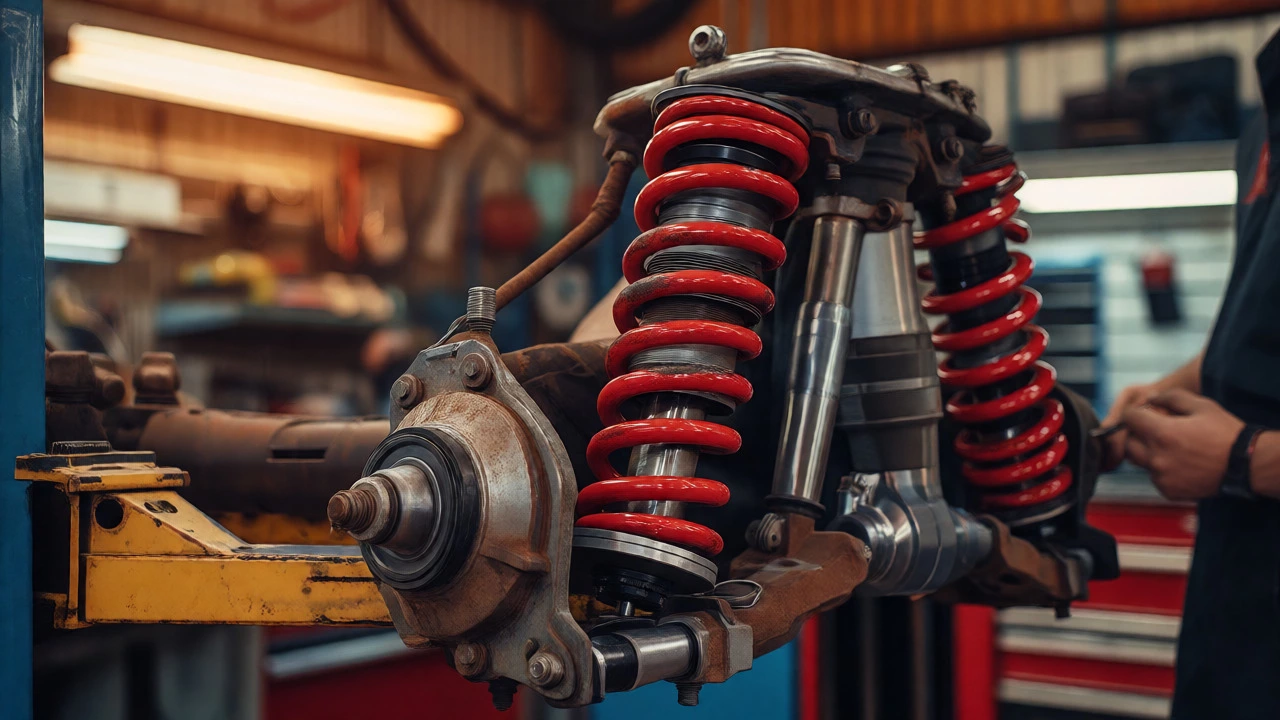
If you’ve ever changed a tire, you think swapping springs is similar. It isn’t. It’s a compressed energy release waiting to happen. A standard shop charges $150-$300 per axle because this job requires specific tools and safety protocols.
- Spring Compressors: You need heavy-duty compressors to safely remove tension from the old springs. Cheap ones slip; good ones are expensive to maintain.
- Strut Disassembly: On MacPherson strut setups (common in front-wheel-drive cars like the Mazda 3 or Toyota Corolla), you have to disassemble the entire strut tower assembly. This involves removing brake lines, ABS sensors, and ball joints.
- Seizing Issues: Cars in Melbourne deal with rain, humidity, and road salt. Bolts seize. If a mechanic has to drill out a seized bolt or cut a rusty nut, that adds 30-60 minutes of labor. Ask if their quote includes "unforeseen labor." Many don’t.
Do not skip the alignment. Lowering your car changes the geometry of the suspension. Even if you set the height perfectly, the camber and toe angles shift. Without a 4-wheel alignment, your tires will eat themselves alive within 5,000 kilometers. That’s an extra $100-$200 you must budget for immediately.
Hidden Costs: What the Quote Doesn't Show
Here is where budgets blow up. When you drop your car off, the mechanic lifts it and looks at the underside. They might find things that need fixing while they are already there. Ignoring them now means paying for labor again later.
Worn Bushings and Mounts
Your stock rubber bushings are likely 5-10 years old. Once you compress and extend the suspension to change springs, those old rubbers crack further. If a bushing is torn, the new spring won’t seat correctly, causing clunking noises. Replacing control arm bushings or top mounts can add $200-$400 to the total. It’s smarter to do it now than to drive around on a ticking time bomb.
Brake Line Extensions
Some cars have hard brake lines that don’t flex enough when lowered aggressively. If your drop is over 30mm, you might need braided stainless steel brake lines or extensions. These cost $100-$150 for a set. Check your specific car forum before buying springs to see if this is a known issue for your model year.
Ride Height Compromise
Not all springs are created equal. A "sport" spring might lower you 20mm. An "aggressive" one might drop you 40mm. The more you lower, the more likely you are to scrape speed bumps or steep driveways. Some owners buy springs, realize they scrape everywhere, and then pay another $500+ to buy adjustable spacers or switch to coilovers. Factor in the risk of buyer’s remorse.

DIY vs. Professional Installation: Is Saving Money Worth It?
Can you save money by doing it yourself? Yes, but only if you have the right tools and confidence. If you borrow a friend’s jack stands and use ratchet straps as makeshift compressors, you risk serious injury. Spring energy is violent.
To DIY properly, you need:
- A hydraulic floor jack and high-capacity jack stands.
- A proper spring compressor kit (rental cost ~$50/day).
- Penetrating oil (like PB Blaster) applied days in advance.
- Torque wrench to spec manufacturer bolts.
If you break a stud or strip a thread, you’re paying a mechanic double to fix your mistake. For most daily drivers, paying the $300-$600 labor fee is worth the insurance against stripped bolts and unsafe installs. However, if you are handy and enjoy garage work, you can save roughly 40% of the total project cost.
Alternatives to Lowering Springs
Springs aren’t the only way to lower a car. Your choice depends on your goal: looks, handling, or adjustability.
| Type | Cost Range (AUD) | Adjustability | Ride Comfort | Best For |
|---|---|---|---|---|
| Lowering Springs | $800 - $2,000 | Fixed Height | Stiffer than stock | Street cars, mild track use |
| Coilovers | $1,500 - $4,500+ | Height & Damping | Variable | Track days, precise stance |
| Air Suspension | $3,000 - $8,000+ | Extreme Range | Softest possible | Show cars, luxury cruisers |
| Spacers | $200 - $500 | Fixed Height | Same as stock | Pushing wheels out, minimal drop |
Coilovers a type of vehicle suspension featuring a shock absorber inside a coil spring, allowing adjustment of both ride height and damping stiffness are the next step up. They cost significantly more because they replace the shocks too. If your current shocks are leaking or worn, springs alone won’t fix the bounce. Coilovers let you raise the car for winter or track days and lower it for shows. Springs are a "set and forget" solution. Choose springs if you want a simple, permanent drop without maintenance hassles.
Regional Differences in Pricing
Labor rates vary wildly across Australia. In Sydney or Melbourne CBD, expect hourly rates of $120-$180. In regional areas or suburban workshops, you might find rates closer to $90-$110. However, cheaper labor doesn’t always mean better value. Look for shops specializing in suspension. General repair shops might treat a spring swap as a quickie job, leading to squeaks later. Specialist shops charge more but often include a post-install check-up.
Also, consider the age of your car. For older vehicles (10+ years), ask the mechanic to inspect the strut rods and bump stops. If these are dry-rotted, replacing them adds $100-$150 to the parts list but saves you from driving on degraded components.
Final Verdict: What Should You Budget?
For a standard hatchback or sedan in 2026, here is your safe budget:
- Conservative Estimate: $1,200 AUD. This gets you mid-range branded springs (like Eibach Pro-Kit), professional installation, and a 4-wheel alignment.
- Realistic Average: $1,500 AUD. Accounts for minor wear-and-tear parts like top mounts or bushings.
- Premium/Complex Job: $2,200+ AUD. High-end springs, specialized labor, and replacement of worn struts if needed.
Don’t forget sales tax (GST) is usually included in quoted prices in Australia, but confirm this. And remember, the cheapest option is rarely the best. A $400 no-name spring kit might save you upfront cash, but if it causes premature tire wear or fails in two years, you’ve lost money. Invest in reputable brands and skilled labor. Your back-and your wallet-will thank you.
Will lowering springs void my warranty?
In Australia, under the Australian Consumer Law, modifications generally do not void the entire warranty. However, if the modified part (the suspension) fails, the dealer can deny a claim related to that failure. If your engine blows up due to unrelated reasons, your warranty should still cover it. Always keep receipts for professional installation to prove the work was done correctly.
How long does the installation take?
A straightforward job takes 3 to 5 hours. If bolts are seized or additional repairs (like bushings) are needed, it can take up to a full day. Most shops recommend dropping the car off in the morning and picking it up in the afternoon.
Are lowering springs bad for the car?
Not necessarily. Quality springs from reputable manufacturers are engineered to work with stock shocks for a moderate drop (20-30mm). However, lowering a car excessively (40mm+) can cause bottoming out, increased stress on CV joints, and accelerated tire wear if the alignment isn't perfect. Aggressive drops may also shorten the life of your factory shock absorbers.
Do I need new shocks with lowering springs?
If your car has fewer than 80,000 km and the shocks are healthy, you can usually keep them. However, if your shocks are original and the car has high mileage, it is highly recommended to replace them. Shorter springs increase the load on shocks, and old shocks will fail faster under this new stress. Pairing new springs with new shocks ensures optimal performance and safety.
Can I install lowering springs myself?
Yes, but it requires specific tools like spring compressors, jack stands, and torque wrenches. It is dangerous if done incorrectly due to the high tension in the springs. If you lack experience with suspension work, professional installation is safer and often worth the cost to avoid injury or improper fitment.