Air Filter Cost & Value Calculator
Investment Details
Financial Analysis
The Truth About Performance Air Filters
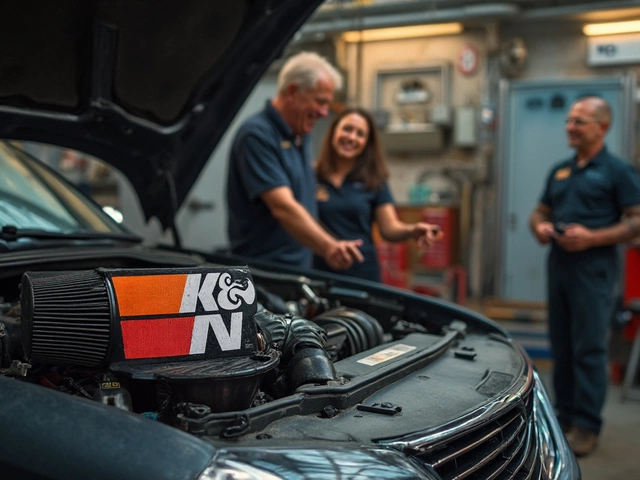
Most car owners have seen the commercials: a shiny new filter goes in, and suddenly the car breathes better and gains horsepower. But is it actually that simple? If you're looking at K&N air filters is a brand of high-performance air filters designed to increase airflow into the engine while being washable and reusable, you're likely weighing the cost against the promised gains. The core problem is that while they offer a "lifetime" promise, they change how your engine interacts with the air and the oil system.
Quick Summary: The Bottom Line
- Pros: Lasts practically forever if maintained, slightly better airflow, and better for the planet than disposables.
- Cons: Higher upfront cost, requires manual cleaning, and can potentially leak oil into the intake.
- Verdict: Great for enthusiasts who don't mind a bit of extra work; less ideal for people who just want a "set it and forget it" maintenance schedule.
How K&N Filters Differ From Paper
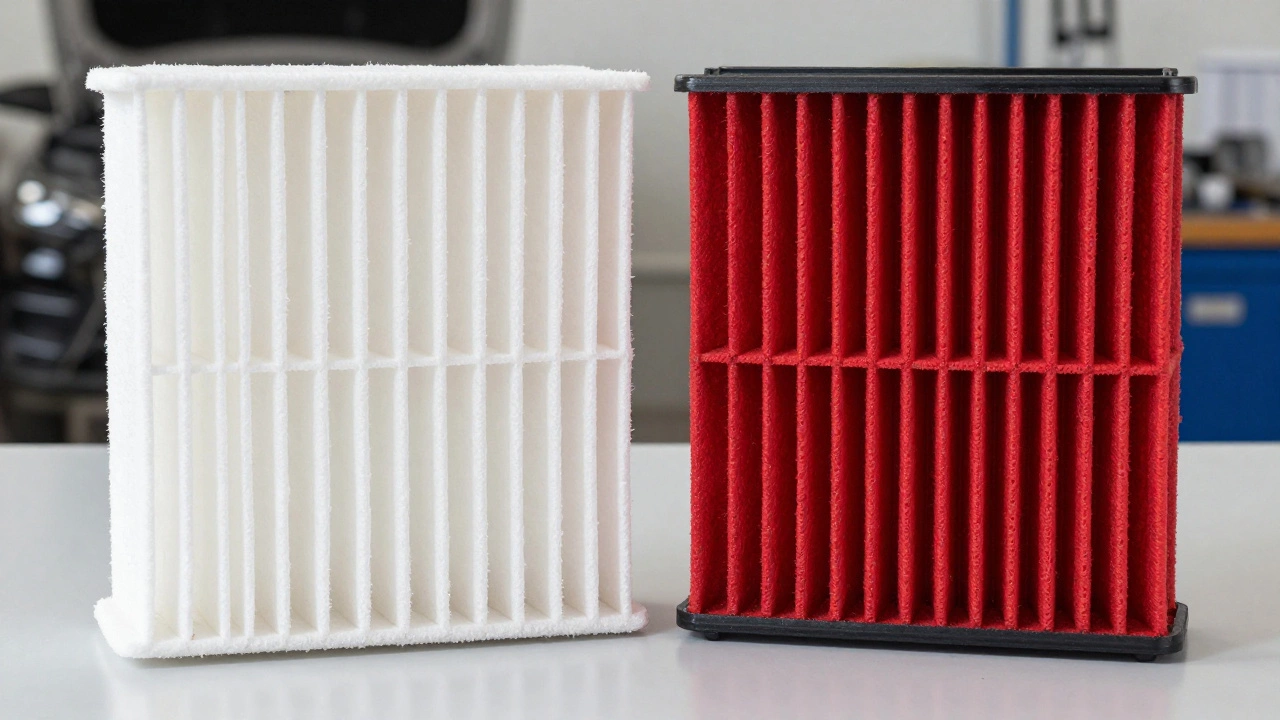
To understand the pros and cons, you have to look at what's inside. A standard OEM filter is usually made of cellulose (basically heavy-duty paper). It's designed to catch every single tiny particle, but it's restrictive. Once it's dirty, you throw it away.
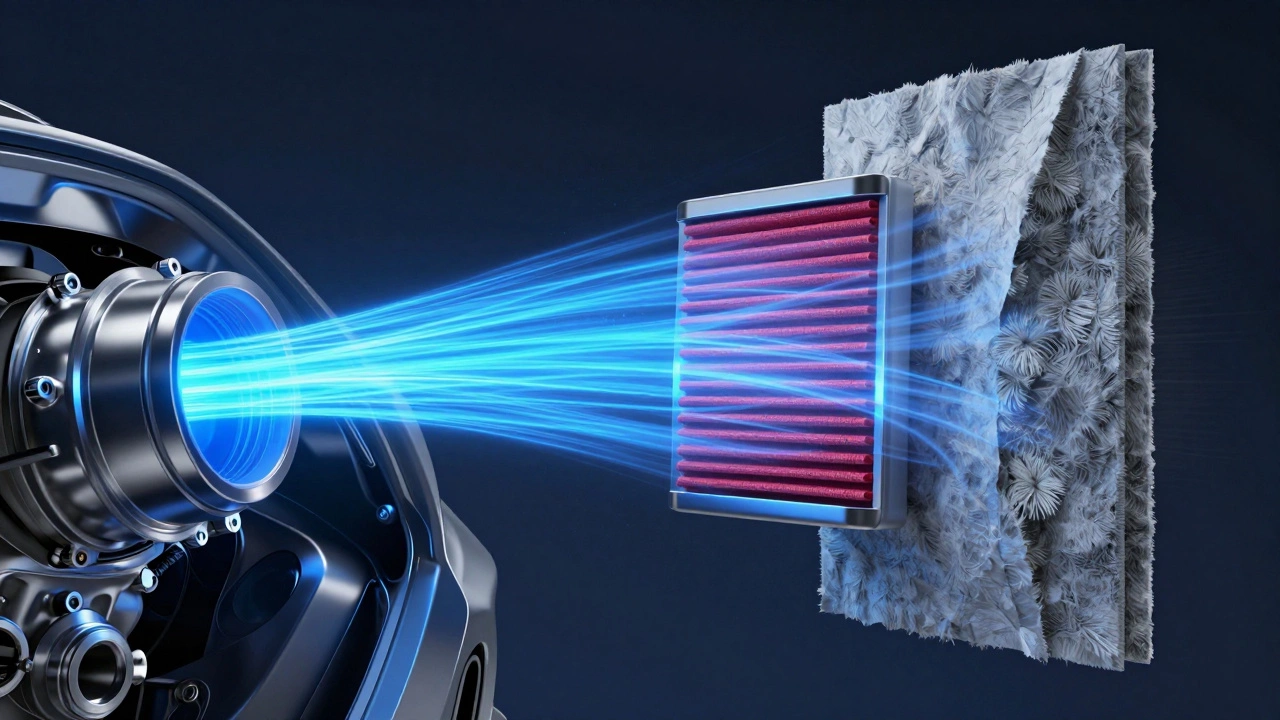
K&N uses Cotton Gauze, which is layered and treated with a special oil. Because the cotton fibers are woven differently, they allow more air to pass through. Think of it like the difference between a thick sponge and a piece of fabric; the fabric lets air through faster, but it might let a few more tiny specs of dust slip by. This is where the trade-off begins: you trade a tiny bit of filtration efficiency for a lot more air volume.
The Upside: Why People Love Them
The biggest draw is obviously the money over time. While you might pay $50 to $100 for a K&N air filters unit compared to $20 for a paper one, you aren't buying another one for years. For someone driving a high-mileage commuter, the cost per kilometer eventually drops significantly.
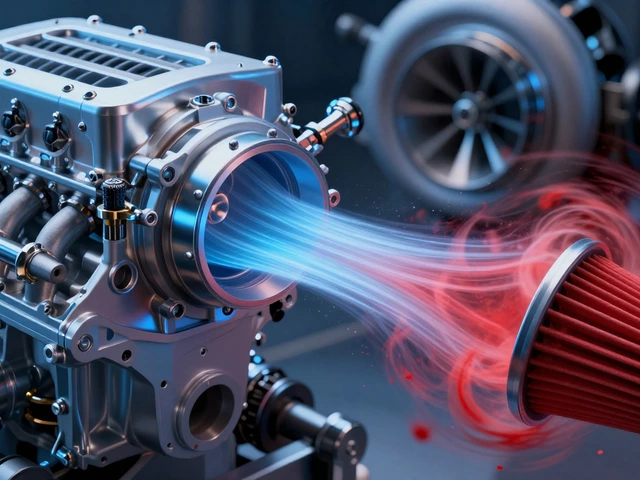
Then there's the performance aspect. By reducing the restriction in the Air Intake System, the engine doesn't have to work as hard to suck in air. In a stock car, you might not feel a massive jump in speed, but in a tuned vehicle or one with a Cold Air Intake, that extra airflow helps the engine reach its full potential. You're essentially giving the engine a wider straw to drink from.
| Feature | K&N Performance Filter | Standard OEM Paper Filter |
|---|---|---|
| Material | Oiled Cotton Gauze | Cellulose/Paper |
| Lifespan | Reusable (Lifetime) | Disposable |
| Airflow | High | Moderate to Low |
| Maintenance | Wash and Re-oil | Replace Entirely |
| Initial Cost | High | Low |
The Downside: The Risks You Should Know
It's not all sunshine and horsepower. The most common issue with these filters is "over-oiling." Because the oil is what actually traps the dirt, you have to apply it during cleaning. If you're too generous with the oil, the excess can be sucked into the engine. In modern cars, this is a real problem because it can coat the Mass Air Flow (MAF) Sensor. This sensor tells the computer how much air is entering; if it's covered in oil, it sends wrong data, leading to rough idling or a "Check Engine" light.
There's also the filtration debate. Some engine builders argue that the increased airflow comes at the cost of letting in microscopic particles that can sandblast the inside of your cylinders over 100,000 miles. While K&N's tests show they are efficient enough for most, if you drive in extremely dusty environments-like out in the bush or on dirt roads-a high-quality disposable paper filter is actually safer for the engine's internals.
Maintenance: The Part Everyone Hates
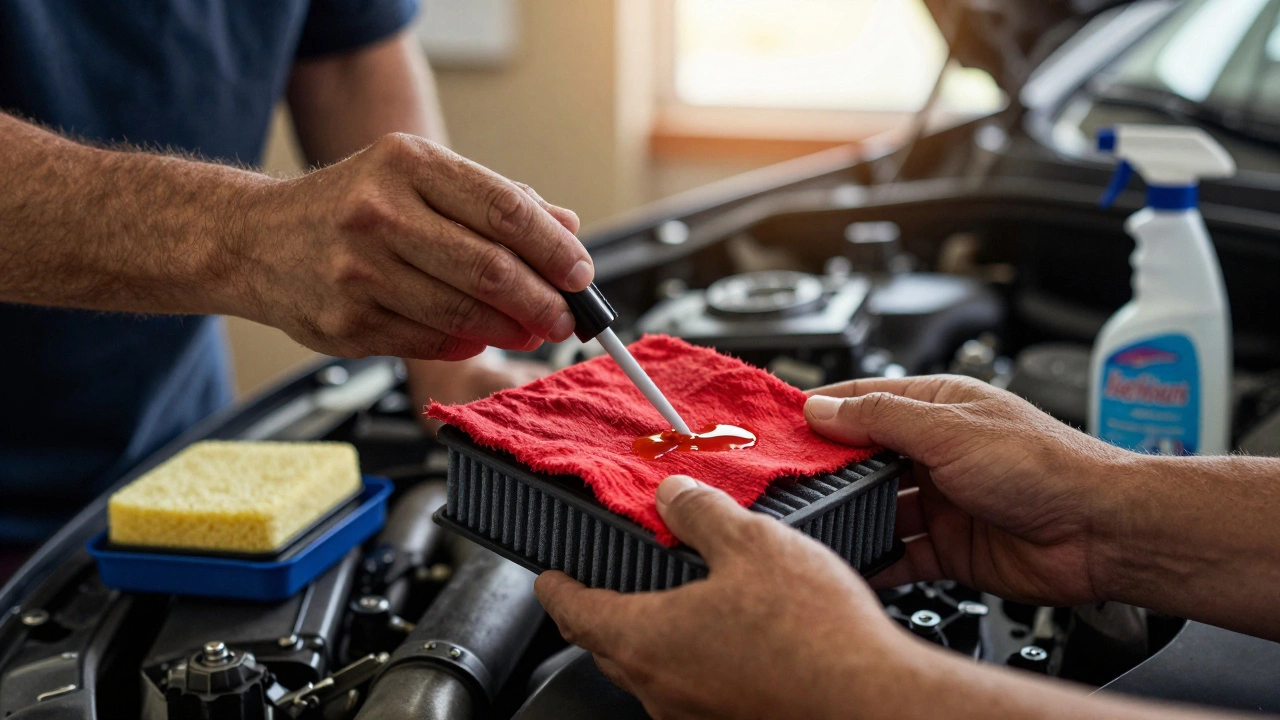
Buying a reusable filter is only a "pro" if you actually maintain it. Cleaning a K&N filter isn't as simple as blowing it out with compressed air (which you should never do, as it can tear the cotton fibers). You need a specific cleaning kit, a degreaser, and the recharging oil.
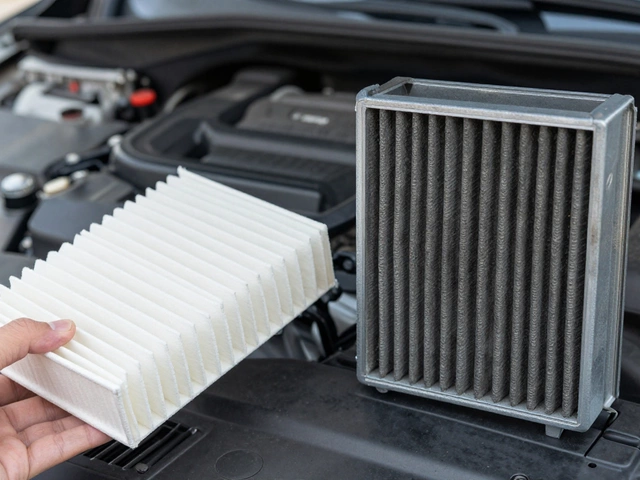
The process takes time. You have to soak the filter, rinse it, let it dry completely (which can take hours), and then apply the oil perfectly evenly. If you're the kind of person who forgets to change your oil until the light comes on, you'll probably find this process tedious. A neglected K&N filter is actually worse than a dirty paper filter because the oil dries out, and the cotton no longer traps the fine dust.
Is It Right For Your Driving Style?
Whether this is a win or a loss depends on what you do with your car. If you have a daily driver that you plan to keep for a decade, the environmental benefit of not throwing away twenty paper filters is a huge plus. If you're chasing every single horsepower and have already upgraded your Exhaust System, the K&N filter is a logical step to let the engine breathe.
However, if you lease your car or sell it every two years, the high upfront cost doesn't make sense. You'll never reach the "break-even" point where the filter has paid for itself. In that case, sticking with the factory paper filters is the smarter financial move.
Do K&N filters actually increase horsepower?
In most street cars, the gain is minimal-usually between 1 to 5 horsepower. You won't feel a massive difference in acceleration, but the engine may feel slightly more responsive at high RPMs because it's not struggling against a restrictive paper barrier.
Can I use a K&N filter with a MAF sensor?
Yes, but you must be very careful with the oil. Over-oiling the filter can lead to oil droplets hitting the MAF sensor, causing the car to run poorly. Always let the filter dry completely and apply the oil sparingly, following the manufacturer's guide exactly.
How often should I clean my K&N filter?
It depends on where you drive. If you're in a clean city, every 20,000 to 50,000 miles is usually fine. If you drive on gravel or in dusty areas, check it every 10,000 miles. If the filter looks grey or brown, it's time to clean it.
Does a performance filter void my engine warranty?
Generally, no. Changing a filter is considered a maintenance item. However, if your engine fails due to dust ingestion or if the oil fouls a sensor, a dealership might try to blame the aftermarket filter. It's rare, but it's worth checking your specific warranty terms.
Is the "lifetime" guarantee actually true?
For the most part, yes. The cotton gauze is incredibly durable. As long as you don't use harsh chemicals (like gasoline or strong solvents) to clean it and you don't physically tear the fabric, the filter will outlast the car itself.
Next Steps for Your Air Intake
If you've decided to go with a performance filter, don't just swap the filter and stop there. Check your air box for leaks and ensure the seal is tight; otherwise, the engine will suck in "dirty" air from the gaps instead of through the filter. If you're really looking for more power, consider pairing your filter with a high-flow exhaust to create a complete "breath-in, breath-out" cycle for your engine.
If you're hesitant about the oiling process, look into "dry" performance filters. They offer a middle ground-reusable materials without the risk of oiling your sensors, though they usually don't filter quite as well as the oiled versions.