Performance Air Filter Impact Estimator
Quick Takeaways
- Most performance filters offer a tiny bump in airflow but negligible horsepower gains for stock engines.
- Reusable filters save money over time but require a specific cleaning process to avoid damaging the engine.
- The real benefit comes from a full cold air intake system, not just the filter element.
- Cheap 'drop-in' filters are often just marketing; look for high-flow cotton or synthetic materials.
You've seen the ads. A sleek, red-capped filter promises to unlock "hidden power" and give your engine a deeper growl. But if you're staring at a $100 filter and wondering if it's actually going to make your car faster or just make your wallet lighter, you're not alone. The truth is that the impact of a performance air filters upgrade depends entirely on what else is happening under your hood.
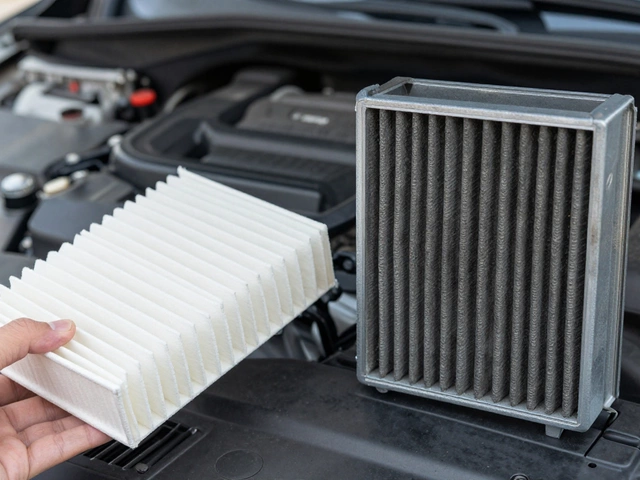
To understand if they work, we first have to look at what a filter actually does. Your engine is essentially a giant air pump. It needs to pull in oxygen to mix with fuel and ignite. A standard paper filter is designed for one thing: trapping every single speck of dust. To do that, the material is dense. While this protects the engine, it creates a slight restriction in airflow. Performance filters use materials like oiled cotton gauze or synthetic fibers to let more air pass through while still catching the big debris.
The Truth About Horsepower Gains
Here is where the marketing usually clashes with reality. If you take a stock car and simply swap the paper filter for a high-flow one, you might see a gain of 0.5 to 1.5 horsepower. In a 200-hp car, that is practically invisible. You won't feel it in your seat, and you certainly won't notice it at a stoplight. Why? Because the filter isn't the primary bottleneck in your engine's breathing process.
The real restriction is usually the air box, the narrow plastic tubing, and the fact that the intake is sucking in hot air from the engine bay. Hot air is less dense than cold air, meaning there's less oxygen for the combustion process. This is why a simple filter swap rarely does much, but a full intake system can actually move the needle.
When we talk about K&N is a leading manufacturer of high-flow air filters that use a multi-layered cotton gauze medium, we're talking about a brand that popularized the washable filter. While their products are high quality, the "gain" comes from reducing the pressure drop across the filter, which only helps if the rest of the intake system can handle that extra volume.
Comparing Filter Types: Paper vs. Performance
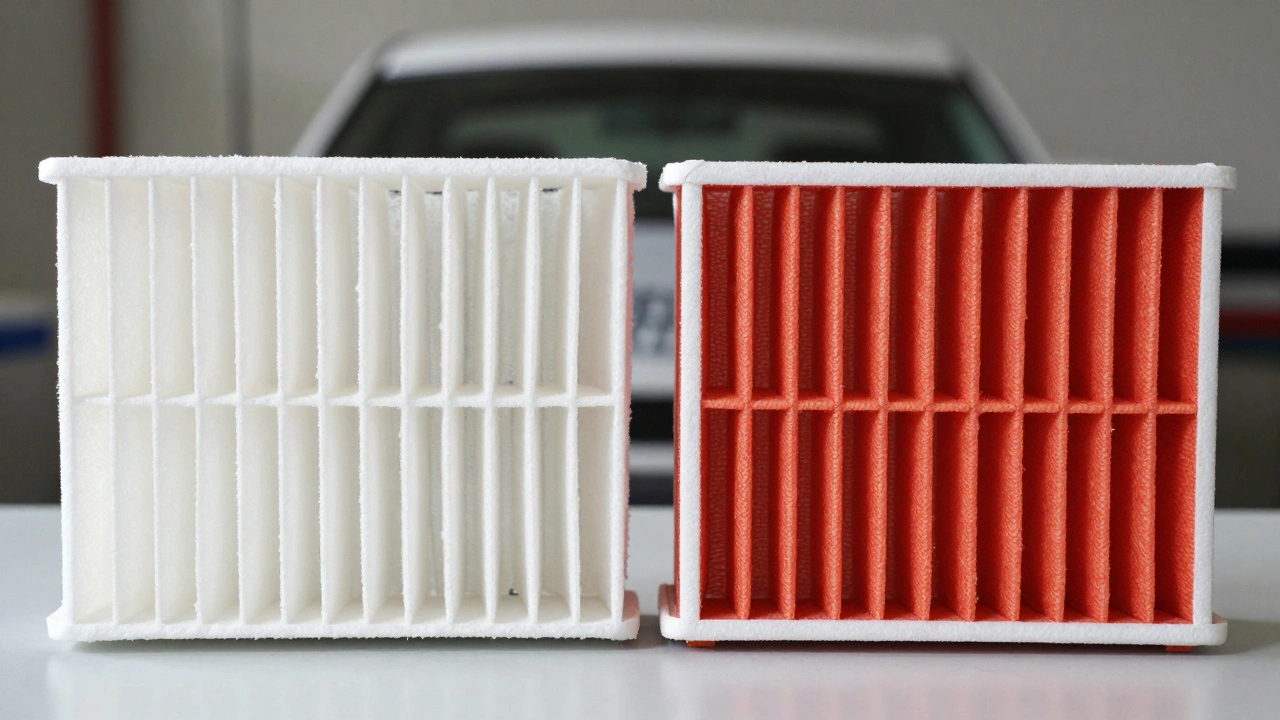
| Attribute | Standard Paper | Oiled Cotton | Dry Synthetic |
|---|---|---|---|
| Airflow Volume | Moderate | High | High |
| Filtration Efficiency | Excellent | Good | Great |
| Lifespan | Disposable | Lifetime (Washable) | Long-term |
| Maintenance | Replace every 15k miles | Wash & Re-oil | Blow out or Replace |
The Hidden Risk: Filtration vs. Flow
There is a fundamental trade-off in physics here. If you make the holes in a filter larger to let more air in, you potentially let more tiny particles in. This is the "filtration gap." While a high-performance filter will stop a pebble or a large bug, it might let more microscopic silica through than a dense paper filter would.
Over 100,000 miles, those tiny particles act like sandpaper on your cylinder walls. For most people, this isn't a huge deal, but if you live in a very dusty area-like the Australian Outback-a standard paper filter is actually a better choice. The risk of engine wear outweighs the 1% gain in airflow. If you choose an oiled filter, you must be careful not to over-oil it. Too much oil can blow back into the intake and coat the Mass Air Flow (MAF) Sensor, which is an electronic sensor that measures the amount of air entering the engine to determine fuel injection. A dirty MAF sensor leads to rough idling and terrible fuel economy.
When Performance Filters Actually Make Sense
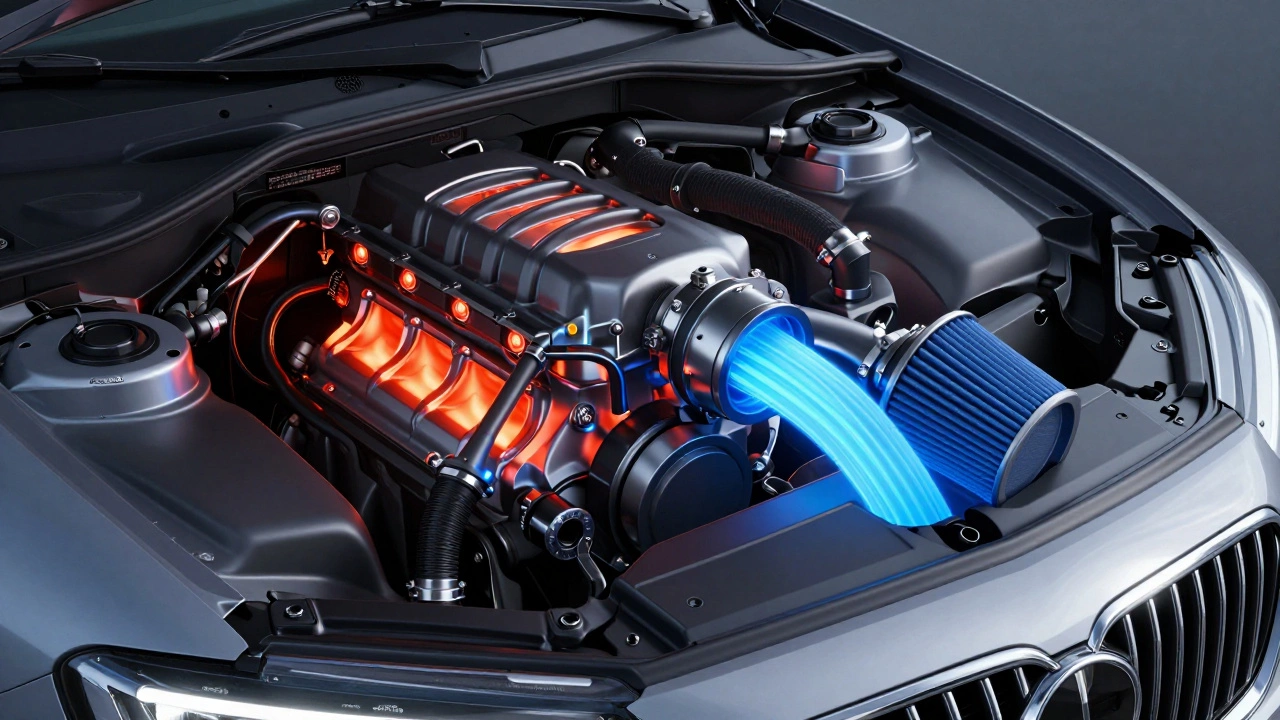
If the gains are so small, why do people buy them? Because they aren't always about horsepower. For a lot of car enthusiasts, it's about the Cold Air Intake, which is a complete system that replaces the factory air box and piping to route cooler air from outside the engine bay directly into the engine. When the filter is part of a larger system that moves the intake point away from the radiator, you're actually changing the temperature of the air. Cooler air is denser, and denser air means more power.
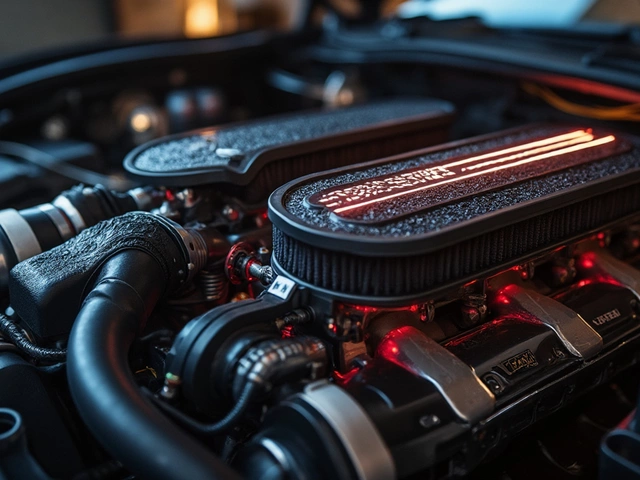
Additionally, there's the sound. A performance filter, especially an open-element one without a box, lets you hear the engine "inhale." It adds a visceral, sporty quality to the driving experience that a muffled stock box just can't provide. If you're building a modified car with a tune and an upgraded exhaust, a performance filter is a necessary piece of the puzzle. An engine pushing 400 hp needs significantly more air than one pushing 150 hp, and a stock paper filter becomes a genuine bottleneck at those levels.
Maintenance: The 'Lifetime' Filter Trap
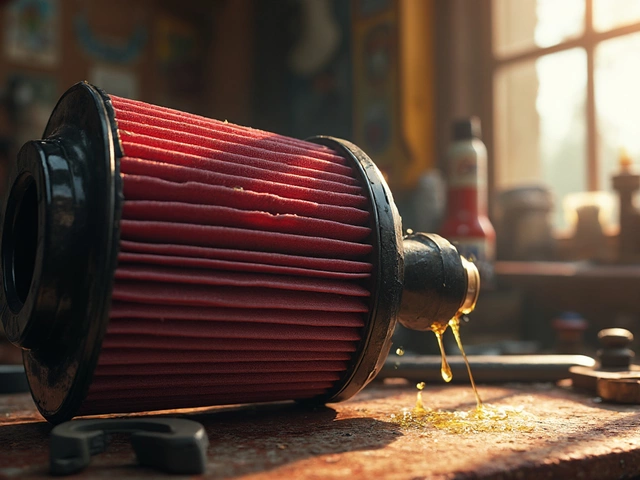
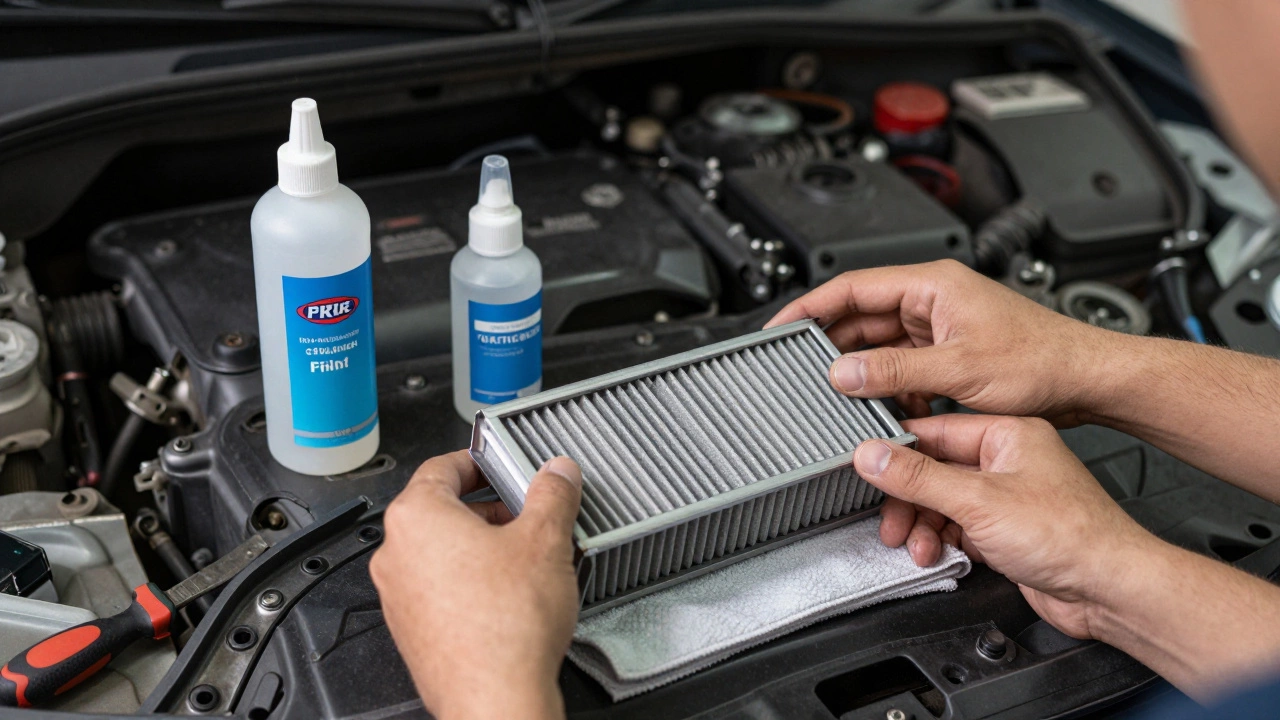
Many brands market their filters as "lifetime" products. This is a bit of a stretch. While the physical material doesn't need to be thrown away, the filter requires active maintenance. You can't just leave it for five years. You have to remove it, wash it with a specific degreaser, let it dry completely, and then apply a precise amount of filter oil.
If you skip the oil, the cotton gauze loses its ability to trap small particles, and you're essentially running your car without a filter. If you over-oil, you gum up your sensors. For a lot of drivers, the convenience of spending $20 every year for a fresh paper filter is more appealing than the chore of cleaning a performance filter. However, if you're a "garage person" who enjoys maintaining your own ride, the reusable nature of Synthetic Air Filters (which often don't require oil) is a great middle ground.
The Final Verdict: Should You Buy One?
If you are driving a completely stock commuter car and you're hoping for a noticeable speed boost, save your money. You won't feel a difference. However, if you're looking to improve the sound of your engine or you're planning a series of modifications, it's a logical first step. Just remember that the filter is only one part of the equation. For real results, focus on the temperature of the air entering the engine rather than just the porosity of the filter material.
Do performance air filters improve gas mileage?
In most cases, the impact on fuel economy is negligible. While a more efficient airflow can theoretically reduce the energy the engine spends "sucking" air, the difference is usually too small to show up on your fuel gauge. You're more likely to see mileage changes from your driving style or tire pressure than from a filter swap.
Can I use a performance filter with a stock air box?
Yes, these are called "drop-in" filters. They are designed to fit perfectly into your existing housing. This is the safest way to upgrade because you still get the protection of the air box and the benefit of the factory-designed air routing, but with a slightly more permeable filter element.
Does the oil on performance filters damage the engine?
The oil itself doesn't damage the internal engine components, but excess oil can cause issues with the Mass Air Flow (MAF) sensor. If the sensor gets coated in oil, it sends incorrect data to the car's computer, which can lead to poor acceleration or a "Check Engine" light. Always follow the manufacturer's oiling instructions exactly.
Are synthetic dry filters better than oiled cotton filters?
Synthetic dry filters are often preferred by those who want high flow without the mess of oiling. They typically offer better filtration efficiency (catching smaller particles) than oiled cotton while maintaining similar airflow levels. They are also safer for your MAF sensors since there's no oil to migrate upstream.
Will a performance filter void my warranty?
Generally, a simple drop-in filter won't void your entire engine warranty, but it could give a dealer a reason to deny a claim if they can prove that engine damage was caused by inadequate filtration. If you install a full custom intake system, it's more likely to be scrutinized. Always check your specific warranty terms if you're worried.
Next Steps for Your Intake
If you've already installed a performance filter and aren't feeling the power, consider these next moves:
- Heat Shielding: If you have an open-pod filter, add a heat shield to block hot air from the engine.
- MAF Cleaning: Use a dedicated MAF sensor cleaner spray to ensure your sensors are reading accurately.
- Exhaust Upgrade: Airflow is a loop. If you let more air in but the exhaust is still restricted, you're only solving half the problem. A high-flow cat-back system often pairs perfectly with an intake upgrade.