Car Interior Beauty Estimator
Assess Your Current Setup
Select the upgrades you are considering to estimate the transformation.
Awaiting Calculation
Select upgrades and click calculate to see your potential beauty score.
Expert Tip
Remember: Start with deep cleaning. You cannot style a dirty canvas. Removing dirt resets the baseline for all other improvements.
You spend more time inside your car than you probably realize. Whether it's the daily commute across Melbourne or a weekend road trip, that cabin is your second living room. Yet, most people ignore the interior until it looks like a disaster zone of crumbs, faded plastic, and mismatched mats. The good news? You don't need a five-figure budget or a professional shop to transform your ride. With a few strategic tweaks and some elbow grease, you can make your car interior look brand new-or even better.
Think about the last time you felt genuinely impressed by a car’s inside. Was it the smell of fresh leather? The click of a high-quality switch? Or maybe just the sheer cleanliness? Beauty in a car interior isn't just about aesthetics; it's about sensory experience. It’s how the materials feel under your fingertips and how the space makes you feel when you close the door. Let’s break down exactly how you can achieve that premium vibe without losing your mind or your wallet.
Start with Deep Cleaning, Not Just Tidying
You cannot style a dirty canvas. Before you buy a single accessory, you have to reset the baseline. Most owners think vacuuming once a month counts as cleaning. It doesn’t. Dirt embeds itself into fabric pores and cracks in the dashboard, causing permanent discoloration over time. To truly beautify your space, you need a deep clean protocol.
Begin with the seats. If you have cloth interiors, use an upholstery shampoo and a stiff-bristled brush. Don’t just spray and wipe; agitate the fibers to lift trapped grime. For leather, skip the harsh household cleaners. They strip natural oils, leading to cracks that scream "neglect" rather than luxury. Use a pH-neutral leather cleaner followed by a conditioner. This two-step process restores flexibility and gives that subtle, healthy sheen that looks expensive but feels natural.
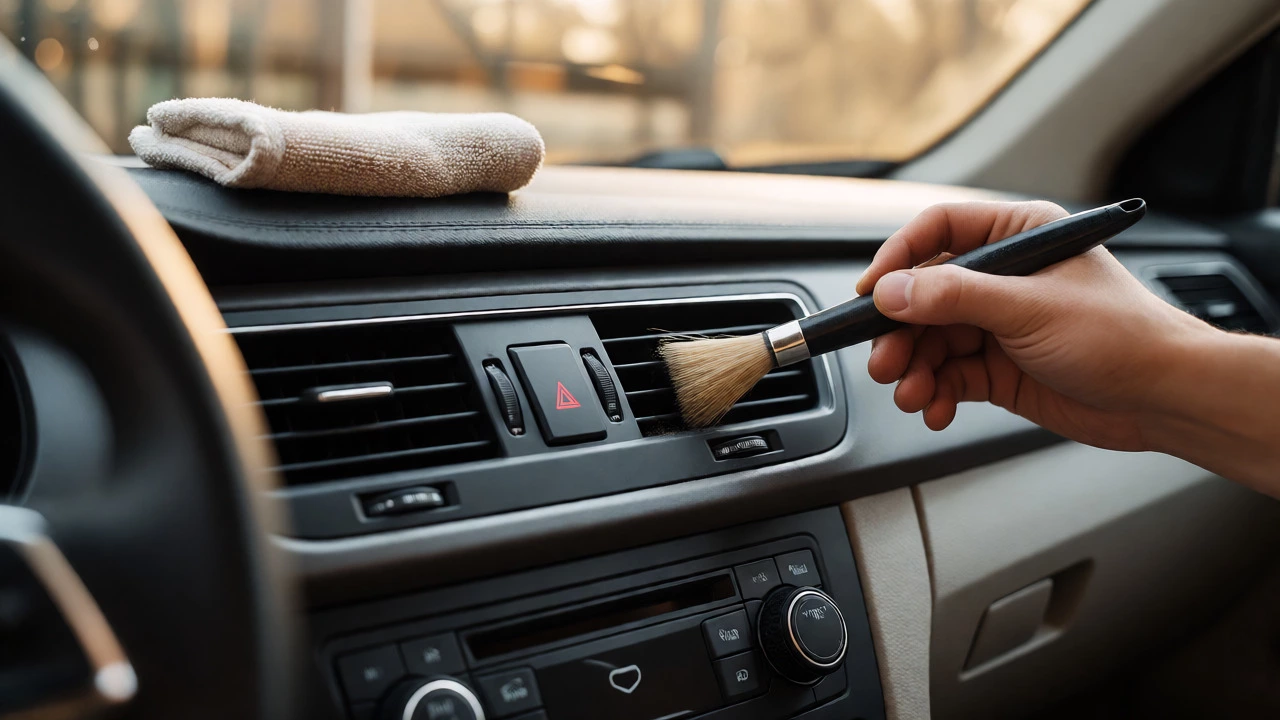
The dashboard and center console are often the biggest eyesores. Sun damage turns dark plastics grey and chalky. Restore them with a dedicated vinyl protectant that offers UV resistance. Avoid products that leave a greasy shine; modern styling favors a matte or satin finish. It looks cleaner and reflects less glare on sunny days. Pay attention to the vents too. Dust bunnies love hiding there. A small detailing brush or compressed air can clear them out instantly, making the whole cabin feel fresher.
Elevate Comfort with Seat Upgrades
Your seats dominate the visual field. If they are worn, stained, or sagging, nothing else matters. You don’t necessarily need to reupholster the entire car, which can cost thousands. High-quality seat covers are a game-changer if chosen correctly. Forget the cheap, baggy neoprene ones from the gas station. Look for tailored-fit covers made from breathable fabrics like linen blends or perforated faux leather.
Why does fit matter so much? Ill-fitting covers bunch up during driving, creating wrinkles that highlight wear patterns underneath. Tailored covers hug the contours of your original seats, giving them structure and definition. In Australia, where heat is a constant factor, breathability is non-negotiable. Leather gets scorching hot in summer. Linen or mesh-backed options keep you cool while adding texture contrast to the rest of the cabin.
If your current seats are structurally sound but visually tired, consider adding lumbar support pillows or neck cushions. But be selective. One matching pillow adds sophistication. Four random ones turn your car into a bedroom. Stick to neutral tones like charcoal, beige, or navy that complement your existing color scheme. These small additions signal care and attention to detail, key components of perceived beauty.
Master the Art of Lighting and Ambience
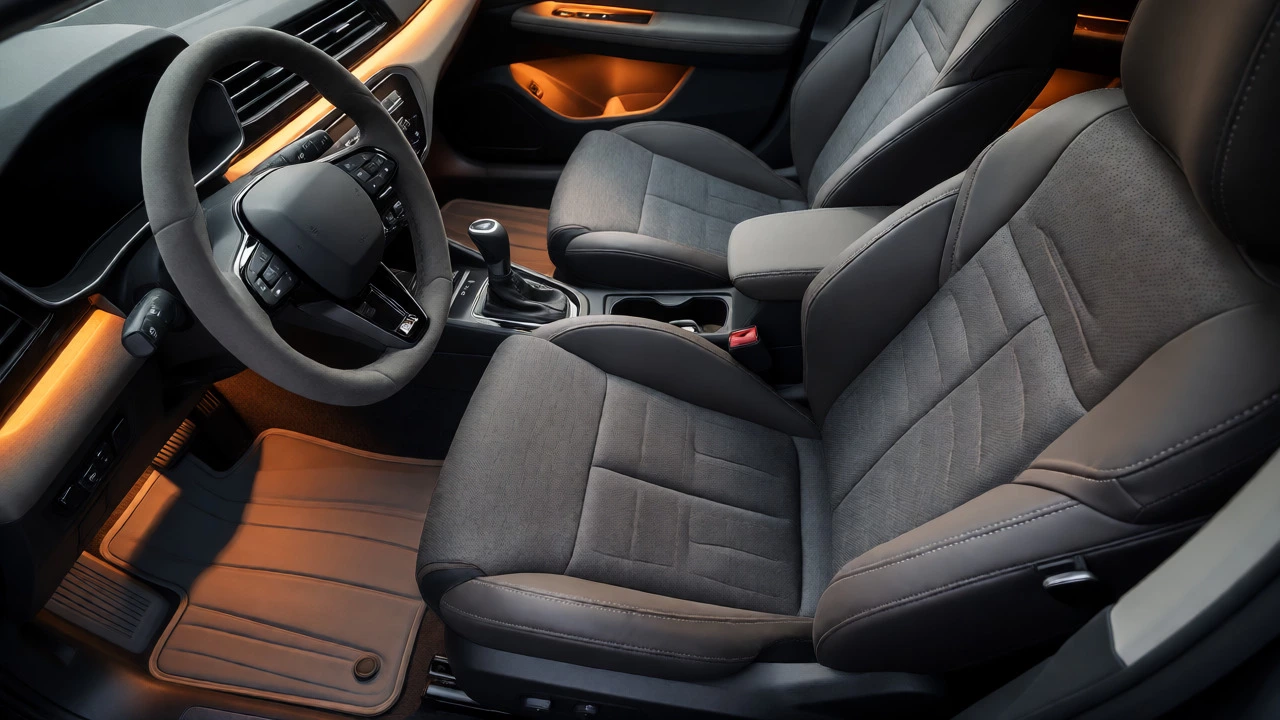
Lighting changes everything. Factory interior lights are often harsh, white, and unflattering. They expose every flaw and create stark shadows. Swapping these for softer, warmer LED bulbs transforms the mood instantly. Many newer cars allow you to change ambient lighting colors via the infotainment system. If yours doesn’t, aftermarket LED strips under the dash or along the footwells offer a subtle glow that feels modern and inviting.
Consider the source of light during the day, too. Window tint plays a huge role here. Beyond UV protection, darker tints reduce glare and create a sense of privacy and calm. It frames the view outside like a picture, making the interior feel like a sanctuary. Ensure your tint complies with local regulations-in Victoria, front side windows must allow at least 35% light transmission. Staying legal avoids fines, but choosing the right shade enhances the aesthetic significantly.
| Option | Cost Estimate (AUD) | Visual Impact | Installation Difficulty |
|---|---|---|---|
| LED Bulb Swap | $20 - $50 | High (Modernizes look) | Easy (DIY friendly) |
| Ambient Light Strips | $50 - $150 | Medium (Subtle glow) | Moderate (Requires routing) |
| Professional Tinting | $200 - $400 | High (Frames exterior) | Hard (Professional recommended) |
Add Texture with Trim and Accessories
Plastic is cold and impersonal. Adding textures breaks up the monotony of hard surfaces. Carbon fiber trim kits are popular, but they can look tacky if applied poorly. Instead, look for wood veneer, brushed aluminum, or matte black finishes. These materials add depth and catch the light differently, drawing the eye to specific areas like the gear shifter or door handles.
Floor mats are another underrated styling tool. Standard rubber mats are practical but boring. Upgrade to carpeted mats with leather binding or all-weather mats with raised edges. They contain spills and dirt, keeping the floor looking pristine longer. Choose a mat color that contrasts slightly with your floor carpet. For example, dark grey mats on a black floor create a layered look that appears intentional and designed.
Don’t overlook the steering wheel. If it’s worn, wrapping it in leather or suede adds tactile pleasure every time you drive. It’s a focal point, and improving its condition pays off in daily satisfaction. Suede provides grip and a sporty feel, while leather offers classic elegance. Both options hide minor scratches and improve the overall hand-feel of the cockpit.
Declutter and Organize Smartly
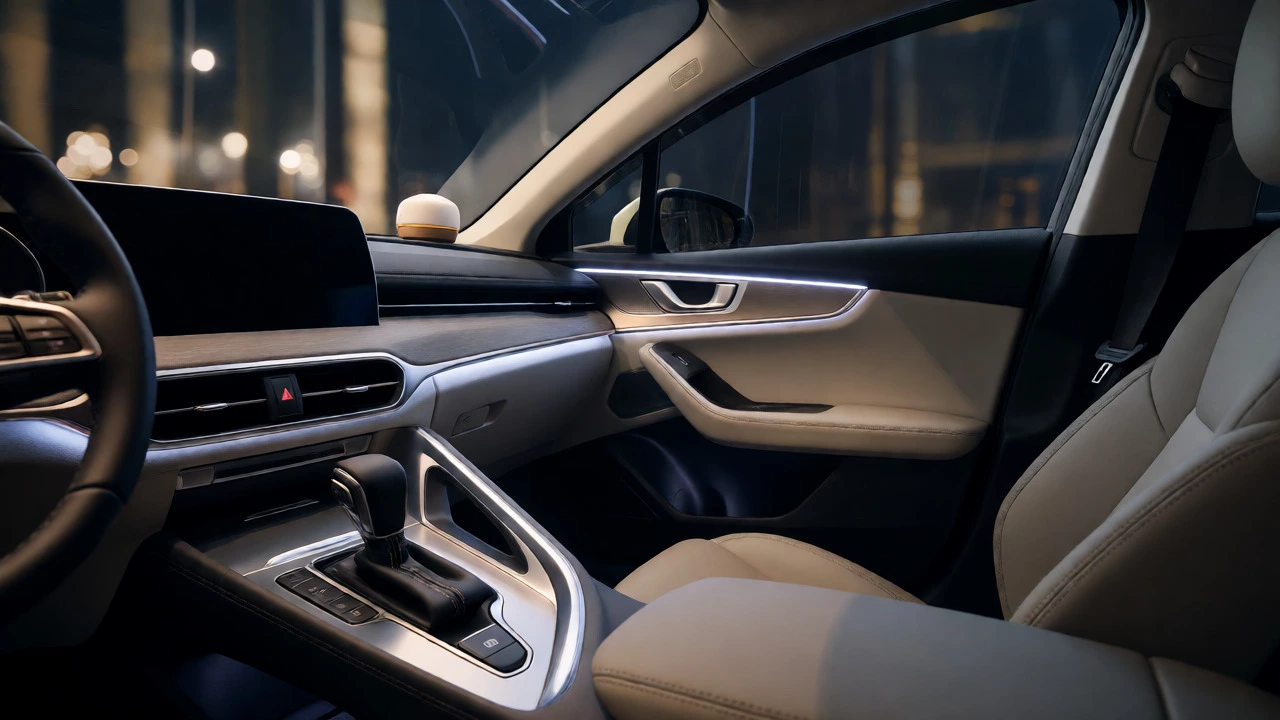
Clutter kills beauty faster than any stain. A pile of receipts, loose coins, and tangled cables creates visual noise. Address this with smart organization. Install a trunk organizer to keep groceries and tools contained. Use cable clips or organizers to manage charging cords. When things have a home, the space feels larger and more serene.
Personalization is fine, but restraint is key. That giant fuzzy dice might have been fun in college, but they distract now. Remove anything that doesn’t serve a function or enhance the design. Keep only what you love. Maybe it’s a small photo frame on the dash or a specific scent diffuser. Curate your items like you would decorate a shelf in your house. Less is almost always more when aiming for a beautiful interior.
Maintain the Beauty
Beauty fades without maintenance. Set a routine. Vacuum weekly, not monthly. Wipe down touchpoints like the steering wheel and gear knob daily-they accumulate oils from your hands quickly. Every three months, do a deeper clean: shampoo the carpets, condition the leather, and polish the trim. Consistency prevents buildup, meaning you never have to face a massive restoration project again.
Protect against sun damage whenever possible. Park in the shade or use a windshield shade. UV rays are the silent killer of interior materials, fading colors and weakening plastics. Prevention is cheaper and easier than cure. By treating your interior with the same respect you give your exterior, you ensure it remains a place you’re proud to sit in, year after year.
What is the cheapest way to improve my car interior?
Deep cleaning is the most cost-effective method. Removing dirt, stains, and odors resets the baseline. Following this, swapping factory LED bulbs for warmer LEDs costs under $50 and dramatically improves the ambiance. These two steps alone can make an older car feel significantly newer.
Do seat covers really make a difference?
Yes, but only if they are high-quality and well-fitted. Cheap, universal-fit covers often look messy and slide around. Custom-tailored covers made from breathable materials like linen or perforated synthetic leather provide a sleek, integrated look that protects original seats while enhancing style.
How do I choose the right interior color scheme?
Stick to a maximum of three colors. Use a dominant color (usually black, grey, or beige), a secondary color for contrast (like dark brown or navy), and an accent color for small details (red stitching or silver trim). Neutral bases are safest and easiest to match with accessories.
Is ambient lighting worth installing?
For many drivers, yes. It reduces eye strain at night and adds a modern, premium feel. However, avoid overly bright or neon colors that look childish. Soft whites, warm ambers, or deep blues tend to look most sophisticated and integrate well with most interior designs.
How often should I condition my leather seats?
In climates like Melbourne’s, conditioning every 3 to 6 months is ideal. Too frequent conditioning can leave a residue, while too little leads to drying and cracking. Always clean before conditioning to remove surface dirt that could be rubbed into the leather.