Car Interior Styling Planner
Select the upgrades you are interested in below. The planner will calculate your estimated total cost, time investment, and overall style/comfort score based on practical data.
You spend more time in your car than you probably realize. Maybe it’s the commute to work, the weekend road trip, or just sitting in the driveway for ten minutes after parking because you’re not ready to face the house yet. If that space feels stale, beige, or like a rental from three years ago, you don’t need a full reupholstery job costing thousands. You need a few strategic moves. Car interior styling is about enhancing comfort and aesthetics without breaking the bank or voiding warranties. It’s about layering textures, adding personality, and fixing the annoyances that make driving feel mundane.
Start With the Floor Mats
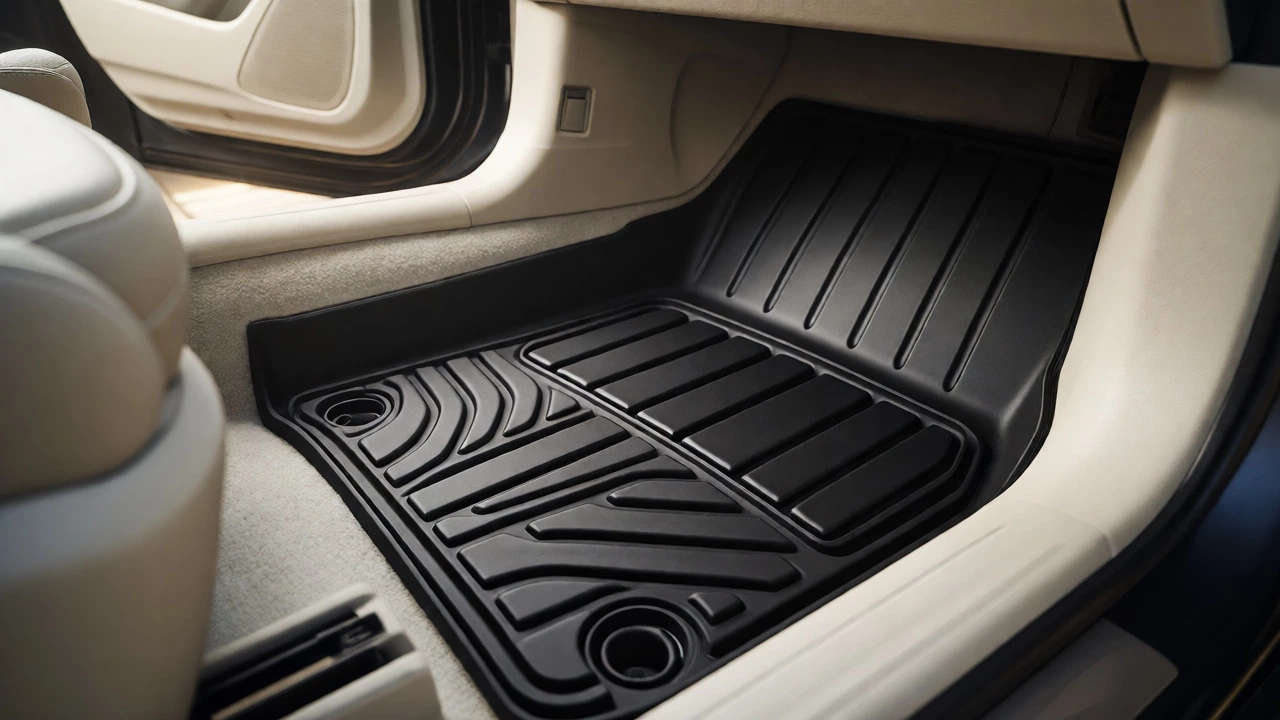
Most people ignore their floor mats until they’re stained with mud or coffee. But here’s the thing: your eyes naturally drop to the floor when you enter a room, and the same happens in a car. Dirty or worn-out mats drag down the entire vibe of the cabin. Swapping them out is the fastest way to make an older car feel new again. You have options beyond the cheap rubber mats that slide around. Look into all-weather mats made from thermoplastic elastomer (TPE) or heavy-duty rubber designed to trap water and debris within deep channels. Brands like WeatherTech or Husky Liners offer custom-fit options that cover more surface area than universal mats. They snap into place so they don’t bunch up under your pedals-a safety hazard many drivers overlook. If you want something softer for city driving, consider carpeted mats with leather piping. They look upscale and are easier to vacuum than shaggy rugs. Just remember: if you live somewhere with snow or rain, stick to the hard-shell options. Soft mats get soggy and smell like wet dog within weeks.
Upgrade Your Seat Covers Strategically
Seats take the most abuse. Denim fades, leather cracks, and fabric stains are permanent unless you clean them constantly. Instead of replacing the seats entirely, which involves removing bolts and dealing with airbag sensors, try high-quality seat covers. Not all covers are created equal. The cheap neoprene ones from gas stations slip off and look bulky. You want custom-fit seat covers tailored to specific vehicle models using digital scanning to ensure compatibility with side airbags and headrests. These hug the contours of your original seats. Materials matter too. Faux leather (often called PU leather) gives a luxury look at a fraction of the cost and wipes clean easily. Mesh fabrics keep you cool in summer. For a rugged look, canvas or denim blends add texture without feeling slippery. One critical warning: check if your car has side airbags deployed through the seat bolsters. If it does, you must buy "airbag compatible" covers. Regular covers can delay airbag deployment by seconds, which matters in a crash. Always verify this before buying.
Refresh the Dashboard and Trim
The dashboard is the focal point of the driver’s view. Over time, UV rays bleach plastics and clear coats on wood or metal trims. You can’t repaint plastic easily, but you can change its appearance. Vinyl wraps are the secret weapon here. Unlike paint, vinyl comes in finishes like matte black, carbon fiber, brushed aluminum, or satin chrome. Applying a small kit to your center console or door handles takes an afternoon and costs under $50. It hides scratches and updates the color scheme instantly. For larger areas, consider a professional-grade ceramic coating for the plastic surfaces. This isn’t just wax; it’s a liquid polymer that bonds with the surface, providing a semi-permanent gloss and protection against UV fading. It makes dull gray plastic look deep and rich rather than chalky.
Lighting Makes a Difference
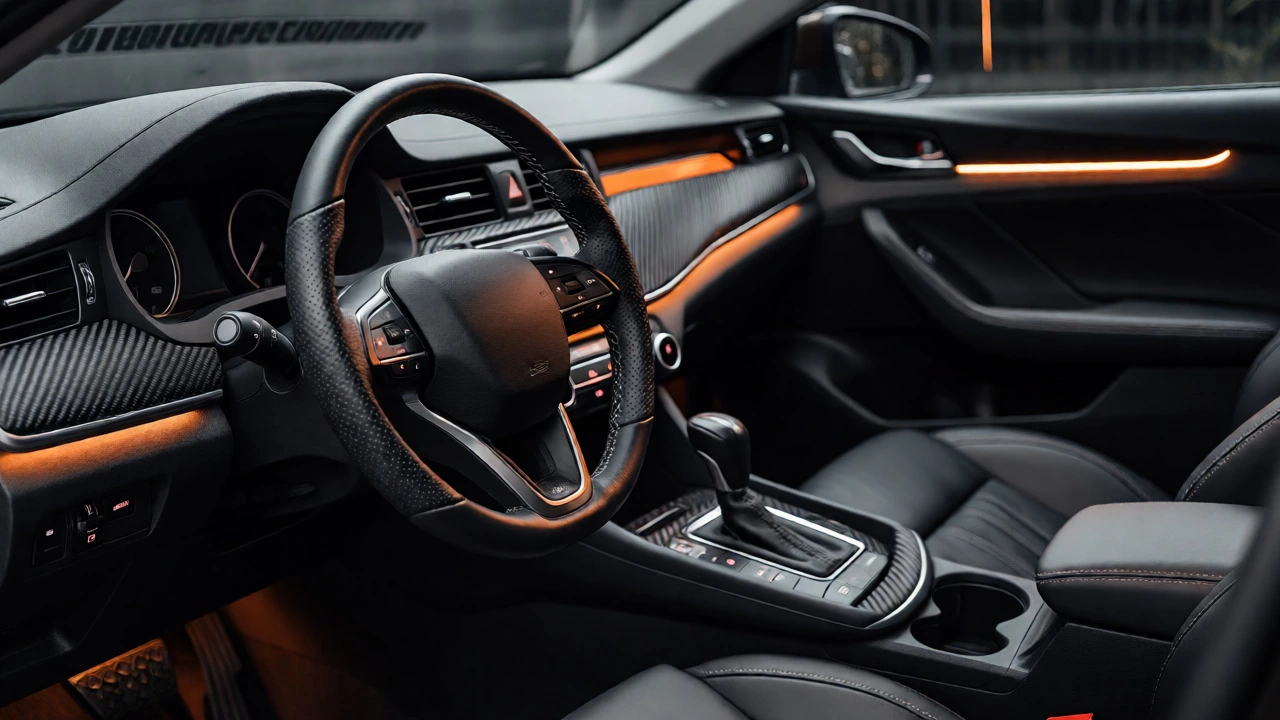
Factory dome lights are often harsh white LEDs or dim incandescent bulbs. Swapping these for ambient LED strips flexible RGB or single-color light bars installed under dashboards, footwells, and door panels. changes the mood completely. You can find kits that sync with your phone via Bluetooth, letting you change colors based on your music or mood. Some even pulse with the bass. It’s gimmicky, sure, but it makes late-night drives feel special. Keep it subtle though-too much neon looks like a taxi cab.
Add Functional Accessories That Double as Decor
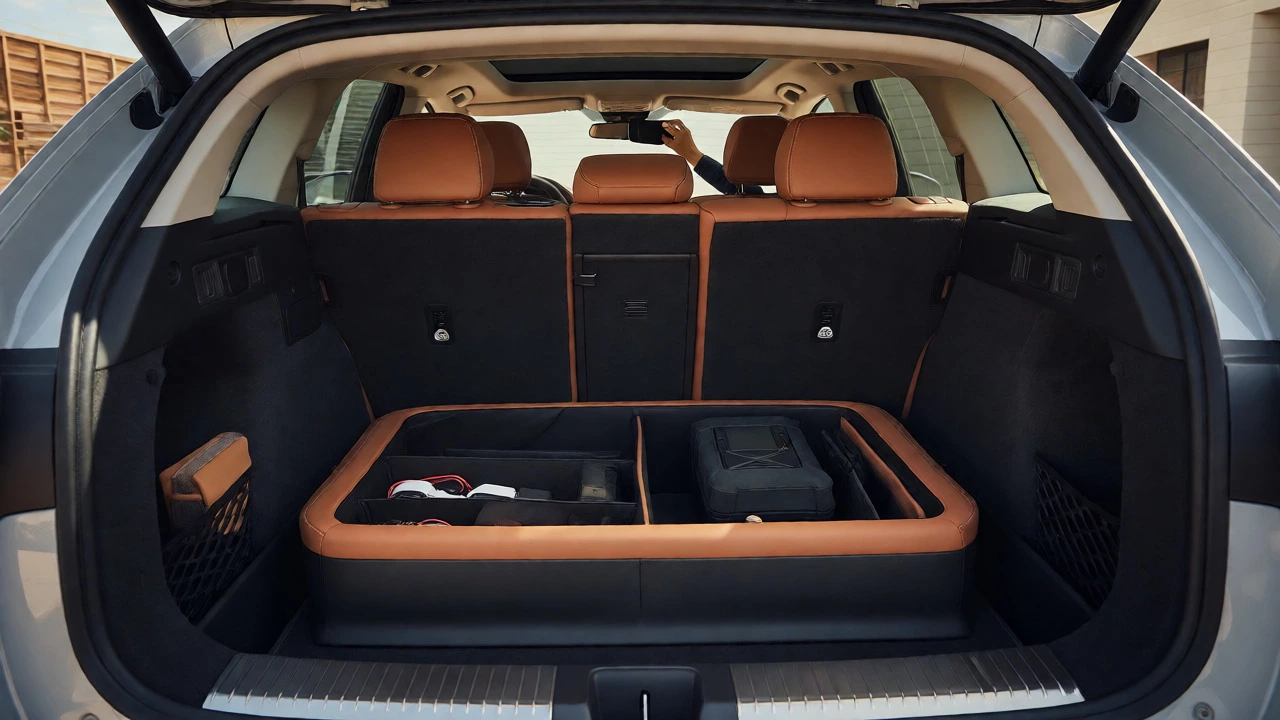
Clutter kills style. A messy car looks dirty even if it’s recently washed. Use accessories to organize while adding visual interest. Steering wheel covers are controversial among purists, but a thin, perforated leather or suede cover improves grip and protects the original wheel from sweat oils. Choose one that matches your seat material for cohesion. Phone mounts have evolved past the sticky suction cups that fall off in summer. Magnetic mounts are cleaner and stronger. Look for ones with wireless charging built-in-they eliminate cable clutter, which immediately makes the center console look tidier. Don’t forget the trunk. A trunk organizer keeps groceries from sliding around and doubles as a place to store emergency kits or jumper cables. Leather-trimmed organizers look far better than the flimsy cardboard boxes that come with some cars.
Deep Clean Before You Buy Anything
This sounds obvious, but you’d be surprised how many people buy new mats and put them on top of dusty, crumb-filled carpets. Spend a Saturday doing a deep clean first. 1. Vacuum thoroughly, including under the seats. 2. Use a steam cleaner or upholstery shampoo on fabric seats. 3. Condition leather seats with a pH-balanced conditioner to restore flexibility. 4. Clean glass windows inside and out with a microfiber cloth to avoid streaks. 5. Wipe down all touchpoints-steering wheel, gear shift, buttons-with disinfectant wipes. A clean slate makes any upgrade pop. If your car smells bad, no amount of new trim will fix it. Identify the source-mold in the AC vents, old food, pet accidents-and treat it with an enzyme cleaner or ozone treatment.
| Upgrade | Average Cost (USD) | Time Required | Visual Impact | Comfort Impact |
|---|---|---|---|---|
| Floor Mats (Custom Fit) | $80 - $150 | 15 mins | High | Medium |
| Seat Covers (Faux Leather) | $150 - $300 | 2-3 hours | Very High | High |
| Vinyl Wrap (Trim Pieces) | $30 - $60 | 1-2 hours | Medium | Low |
| Ambient Lighting Kit | $40 - $100 | 1 hour | Medium | Low |
| Steering Wheel Cover | $20 - $50 | 10 mins | Low | Medium |
| Professional Detailing | $150 - $300 | 4-6 hours | High | Medium |
Pitfalls to Avoid
Don’t overdo it. A common mistake is mixing too many patterns and materials. If you have red stitching on your seats, don’t add blue lighting and yellow trim. Stick to a palette of two or three colors max. Also, avoid bulky accessories. Thick steering wheel covers can interfere with horn operation or airbag deployment. Oversized seat cushions might block seatbelt buckles. Safety should always trump aesthetics. Finally, check local laws regarding window tint and lighting. While interior mods rarely affect legality, some jurisdictions restrict certain colors of ambient lighting visible from outside the car. It’s rare, but worth a quick glance at your state’s vehicle code.
Maintaining Your New Look
Upgrades require upkeep. Vinyl wraps can peel if exposed to extreme heat without protection. Leather needs conditioning every six months. Floor mats need regular shaking out or vacuuming. Set a reminder to detail your interior every quarter. It keeps the investment looking fresh and prevents grime from embedding into new materials. If you spill something, clean it immediately. Stains set quickly on fabric, and once they’re there, they’re hard to remove without professional extraction.
Do seat covers damage my original seats?
Generally, no. In fact, they protect the original upholstery from wear, tears, and UV fading. However, poorly fitted covers can cause friction points that rub against the leather or fabric over years. Using breathable, custom-fit covers minimizes this risk. Also, ensure they don't trap moisture against leather, which can lead to mold or cracking.
Is it safe to install aftermarket ambient lighting?
Yes, provided it's wired correctly. Most modern kits plug into existing fuse boxes or USB ports, avoiding complex splicing. Ensure the wiring doesn't interfere with moving parts like pedals or seat rails. Poorly insulated wires can short out or drain your battery if left on. Always use fuses appropriate for the amperage of the LED strips.
Can I wash custom-fit floor mats?
Most TPE and rubber mats are fully waterproof and can be hosed down or wiped clean. Carpeted mats usually require vacuuming and spot cleaning with upholstery shampoo. Check the manufacturer's instructions, as some hybrid mats have backing that shouldn't be soaked. Air drying is recommended to prevent mildew growth underneath.
Will vinyl wrap peel off my dashboard?
Quality automotive vinyl wraps, such as those from 3M or Avery Dennison, are designed to last 5-7 years on interiors. Peeling usually occurs due to improper installation (not cleaning the surface enough), extreme heat exposure without UV protection, or low-quality adhesive. Professional installation significantly reduces the risk of premature peeling.
Are expensive steering wheel covers worth it?
It depends on your usage. For daily commuters, a basic $20 cover protects against shine and slickness. For enthusiasts who drive spiritedly, premium suede or perforated leather covers ($50-$100) offer superior grip and temperature regulation. Cheap vinyl covers tend to become sticky in heat and crack in cold, making them less worthwhile long-term.