Car Window Tint Cost & Legal Checker
Estimation Results
There is nothing worse than sitting in traffic on a hot Australian afternoon, feeling the heat radiate through your windshield while your AC struggles to keep up. You want that sleek, dark look and the privacy it brings, but you also want to know if it will blow your budget or get you fined by police. The short answer? Prices vary wildly depending on what film you choose and where you live.
In Australia, getting your car windows tinted isn't just about picking a shade. It’s a balance between aesthetics, heat rejection, and strict state laws. If you buy the cheapest option, you might end up with purple bubbling within two years. If you go too dark, you risk a fine and having to pay to remove it. Let’s break down exactly what you should expect to pay in 2026, what materials are worth the extra cash, and how to stay on the right side of the law.
The Real Cost Breakdown: What Are You Paying For?
When you call a shop asking for a quote, they won’t just give you one number. They will ask about the size of your vehicle and the type of film. Generally, prices are split into three tiers based on the quality of the material used. Understanding these tiers helps you decide where to spend your money.
| Film Type | Price Range (Sedan/Hatch) | Price Range (4WD/Ute) | Lifespan |
|---|---|---|---|
| Dyed Film | $150 - $300 | $250 - $450 | 2-4 years |
| Carbon Film | $300 - $500 | $450 - $700 | 5-7 years |
| Ceramic Film | $500 - $900+ | $700 - $1,200+ | 10+ years |
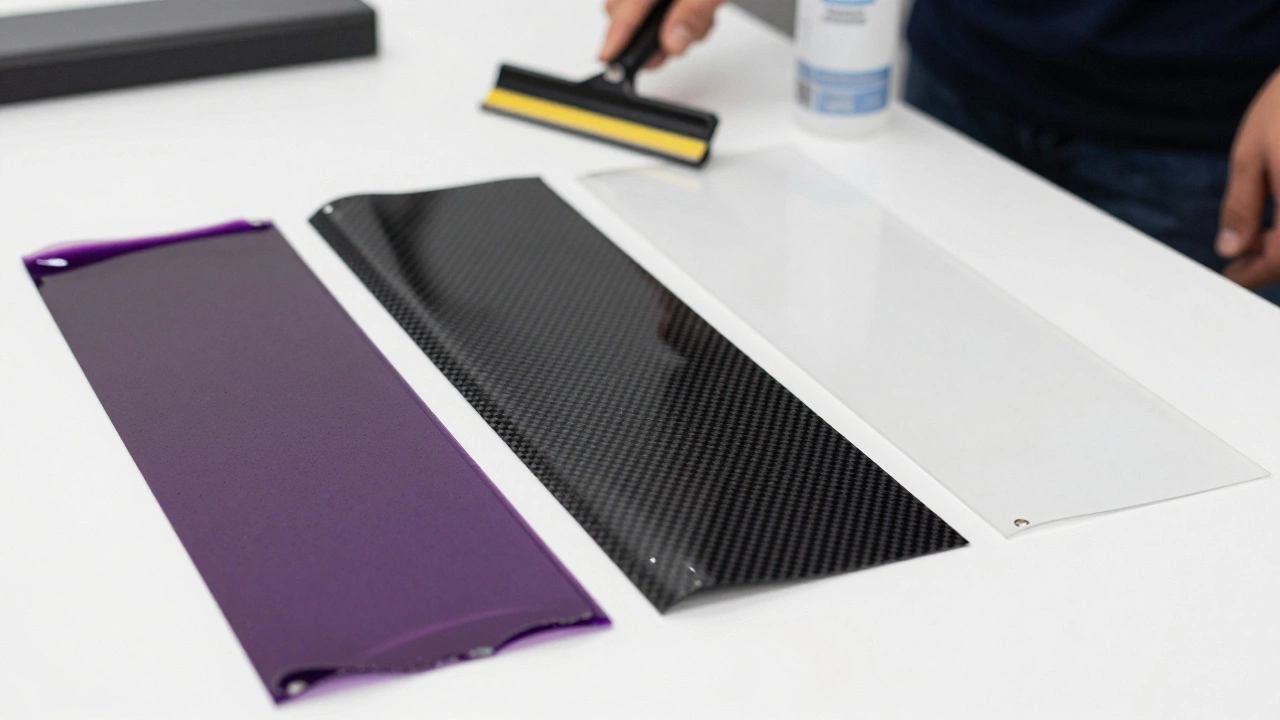
Dyed film is the entry-level option. It works by absorbing sunlight, which reduces glare but doesn't block much heat. It looks good initially, but the dye breaks down under UV exposure, turning a purplish hue over time. This is why it’s cheap-you’re paying for a temporary fix.
Carbon film is the middle ground. It contains carbon particles that absorb infrared light, offering better heat rejection than dyed film without the metallic interference that can mess with your GPS or phone signal. It stays black longer and feels more premium.
Ceramic film is the gold standard. It uses non-conductive ceramic particles to reject heat without blocking signals. It offers the highest clarity and heat rejection (up to 60-80% of solar energy). While it costs double or triple the dyed option, it lasts the life of the car and protects your interior from fading.
Legal Limits: Don’t Get Fined
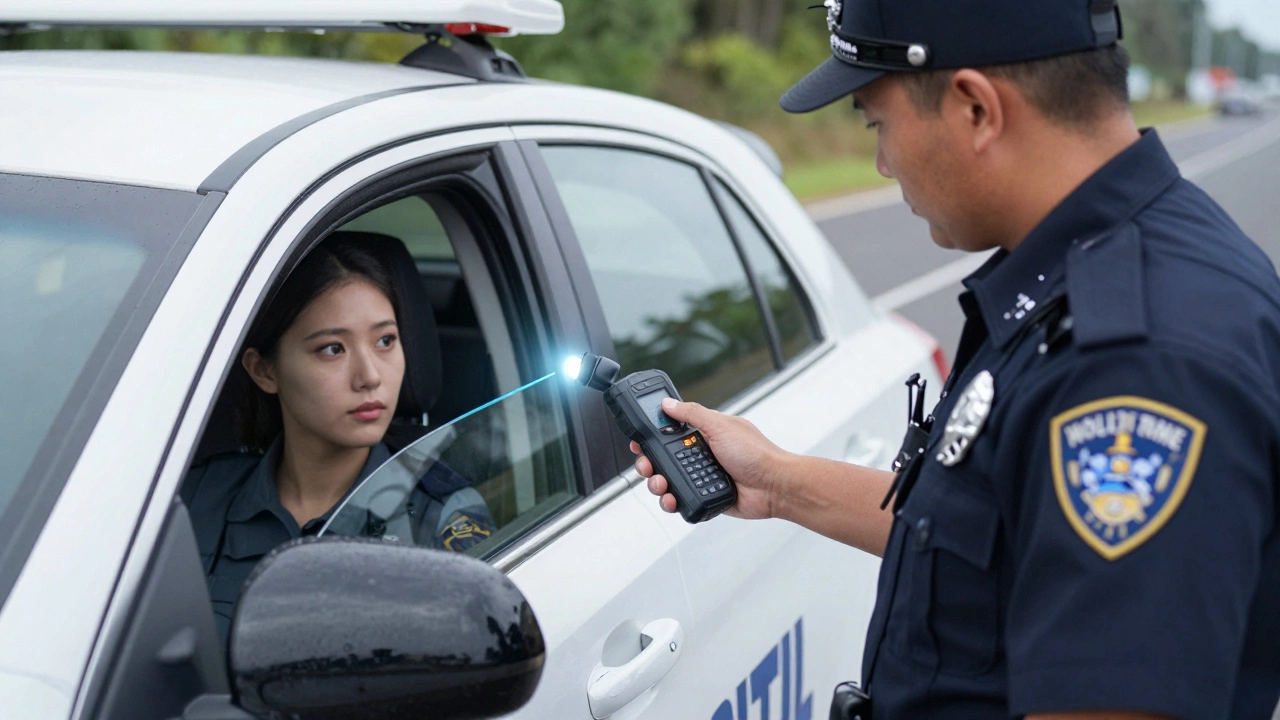
This is the most critical part of the process. In Australia, window tinting laws are not federal; they are state-based. However, there is a general trend toward stricter enforcement. Most states regulate Visible Light Transmission (VLT), which measures how much light passes through the glass.
If you ignore these rules, you aren’t just risking a fine. Police can issue an infringement notice on the spot, and in some cases, you may be required to remove the tint at your own expense to pass your next roadworthy inspection (RWC).
- Front Side Windows: Almost all Australian states require at least 35% VLT on the front side windows. This means no more than 65% darkness. Some states allow 25% VLT (75% darkness) for vehicles registered before certain dates, but new cars must stick to 35%.
- Rear Side Windows: These are usually more lenient, often allowing 20% or even 15% VLT, depending on whether your car has functioning side mirrors.
- Rear Windshield: Typically allows for darker tints, often 20% VLT or less, provided you have working side mirrors.
- Windshield: Only a small strip at the very top (usually 10-15cm) can be tinted. The rest must remain clear for visibility.
Note that Victoria, New South Wales, and Queensland have slightly different nuances. Always check your local state transport authority guidelines before booking. A reputable installer will know these limits and warn you if your desired shade is illegal.
Why Installation Quality Matters More Than Price
You might find a guy in a garage offering to tint your windows for $100. It sounds like a deal, until you see the bubbles, dust specks, and peeling edges three months later. Window tinting is a skill-intensive job.
A professional installation involves cutting the film to the exact curve of your glass, applying a slip solution, squeegeeing out every drop of water, and then curing it in a controlled environment. Cheap installers often skip the prep work, leading to contamination. Once film is applied poorly, removing it damages the adhesive layer of the glass and can leave behind stubborn residue that requires chemical solvents to clean.
Look for shops that offer a warranty. High-quality ceramic films come with manufacturer warranties ranging from 5 to lifetime coverage against bubbling, peeling, and discoloration. If a shop won’t back their work with a written warranty, walk away.
Hidden Benefits Beyond Looks
Most people think tint is just for style. But in Australia’s harsh climate, it serves functional purposes that save you money in other areas.
First, UV protection. Quality tint blocks up to 99% of harmful UV rays. This isn’t just about preventing sunburn while driving; it’s about protecting your skin long-term and keeping your leather seats and dashboard from cracking and fading. Think of it as sunscreen for your car’s interior.
Second, heat reduction. By rejecting infrared heat, your air conditioning doesn’t have to work as hard. This leads to lower fuel consumption (or better battery efficiency in EVs) because the engine isn’t bogged down by the AC compressor running at full blast. On a 40-degree day, this difference is noticeable.
Third, safety. When installed correctly, the film holds shattered glass together in the event of an accident or break-in. It acts as a barrier, making it harder for thieves to smash and grab, and reducing the risk of injury from flying glass shards.
DIY vs. Professional: Is It Worth Saving Money?
You can buy DIY tint kits online for half the price of a professional job. The kit includes the film, a spray bottle, and a squeegee. Sounds simple, right? It’s not.
Applying tint to flat rear windows is manageable for a beginner. But front side windows are curved. Getting the film to conform to that curve without wrinkles or lifting edges requires practice, proper tools (like a heat gun), and a dust-free environment. Most DIY attempts result in visible seams, bubbles, or premature peeling.
If you value your time and want a flawless finish, hire a pro. If you’re on an extreme budget and willing to accept imperfections, DIY might work for the rear windows only. Never attempt to tint your front windscreen or driver-side window yourself unless you are experienced; poor visibility here is dangerous.
How to Choose the Right Shop
Not all tint shops are created equal. Here is a quick checklist to ensure you’re dealing with professionals:
- Ask for Samples: Reputable shops will let you test different shades on your actual window so you can see the darkness level in real-time.
- Check Reviews: Look for recent reviews mentioning longevity. Did their tint bubble after a year?
- Warranty Documentation: Ensure the warranty is from the film manufacturer (like 3M, Llumar, or SunTek), not just the shop’s personal promise.
- Cleanliness: Visit the shop. Is their workspace clean? Dust is the enemy of tint installation.
Also, ask about the curing time. After installation, you shouldn’t roll down your windows for 3-5 days (or up to 2 weeks in winter) to allow the adhesive to dry. A good installer will explain this clearly.
Is window tinting illegal in Australia?
No, window tinting is not illegal, but it is strictly regulated. Each state has specific limits on how dark your windows can be, measured by Visible Light Transmission (VLT). For example, most states require front side windows to let in at least 35% of light. Exceeding these limits can result in fines and failed roadworthy inspections.
Does window tint affect GPS or mobile signals?
It depends on the type of film. Metalized tints contain metallic layers that can interfere with GPS, radio, and mobile phone signals. Dyed, carbon, and ceramic films do not contain metal and will not affect your electronic devices. If you rely heavily on navigation, avoid metalized options.
How long does window tint last?
The lifespan varies by quality. Cheap dyed films may fade or turn purple in 2-4 years. Mid-range carbon films typically last 5-7 years. High-quality ceramic films can last 10 years or more, often lasting the entire life of the vehicle without bubbling or discoloration.
Can I remove window tint myself?
Yes, but it is messy and difficult. Removal involves steaming the film to loosen the adhesive and then scraping it off, followed by cleaning the sticky residue with ammonia-based solutions. If done incorrectly, you can damage the defroster lines on your rear window or scratch the glass. Professional removal is recommended for best results.
What is the best tint color for heat rejection?
Color is not the main factor for heat rejection; technology is. Ceramic tint offers the best heat rejection regardless of darkness level because it blocks infrared light. Darker tints do block more visible light, which reduces glare, but a light-colored ceramic film will reject more heat than a dark dyed film.