Body Kit Installation Time Calculator
Installation Details
Estimated Installation Time
Installing a body kit on your car isn’t just about slapping on some plastic parts and calling it done. It’s a process that can take anywhere from a single afternoon to over a week, depending on what you’re working with, your experience, and whether you’re doing it yourself or hiring a shop. If you’re thinking about upgrading your ride with a widebody, front splitter, or rear diffuser, you need to know what you’re signing up for-not just in cost, but in time.
What’s in a Body Kit?
A body kit isn’t one single part. It’s usually a collection of components: front bumper, side skirts, rear bumper, fender flares, and sometimes a hood or spoiler. Some kits are full replacements, others are add-ons that bolt onto your stock parts. The complexity changes everything. A simple lip kit that attaches with double-sided tape might take two hours. A full carbon fiber widebody kit with custom wheel well modifications? That’s a multi-day project.Most aftermarket kits come with hardware and instructions, but those instructions assume you’ve done this before. Real-world installation rarely follows the manual perfectly. Every car model has quirks. A 2015 Honda Civic’s bumper might snap into place with minimal effort, but a 2018 BMW M3 could require drilling, trimming, and even relocating sensors or wiring harnesses.
DIY Installation: What to Expect
If you’re tackling this yourself, you’ll need more than just tools-you’ll need patience and a clean workspace. Most people underestimate how much prep work is involved. You’re not just bolting on parts; you’re preparing the surface. That means:- Removing the original bumpers and skirts (often held by 10-20 screws, clips, and adhesive strips)
- Cleaning and sanding the mounting areas for better adhesion
- Dry-fitting each piece to check alignment before any permanent attachment
- Drilling holes for mounting bolts or reinforcing with fiberglass mesh if the kit is heavy
- Dealing with sensors (parking sensors, radar, cameras) that might get blocked or misaligned
For someone with moderate mechanical skills, a basic three-piece body kit (front, side, rear) typically takes 8 to 12 hours spread over two days. That’s assuming no major surprises. If you’re new to this, add another 4-6 hours just to figure out what you’re doing wrong. I’ve seen people spend an entire weekend just trying to get the side skirts to sit flush without gaps.
One big mistake? Skipping the test fit. I know someone who glued a rear bumper on before realizing the exhaust tips stuck out too far. He had to cut the bumper, re-sand, and re-glue. That added three extra days.
Professional Installation: Speed vs. Precision
A professional shop can do the same job in 1 to 3 days, but it’s not just about speed. They have the experience to handle alignment issues, know which adhesives work best for specific materials (ABS plastic vs. fiberglass vs. carbon fiber), and can do paint prep and blending on the spot.Most reputable shops will give you a quote based on the kit type:
- Simple add-on kits (lip, spoiler): 4-6 hours labor
- Full bolt-on body kit (no cutting): 12-18 hours labor
- Full widebody with cutting, trimming, and custom fitting: 25-40 hours labor
That’s not including paint time. If your car needs repainting to match the new kit, add another 2-5 days. Most body kits come unpainted. Even if you buy a pre-painted one, color matching is tricky. Factory paint fades. New paint doesn’t. A mismatched rear bumper looks worse than no kit at all.
Why It Takes So Long
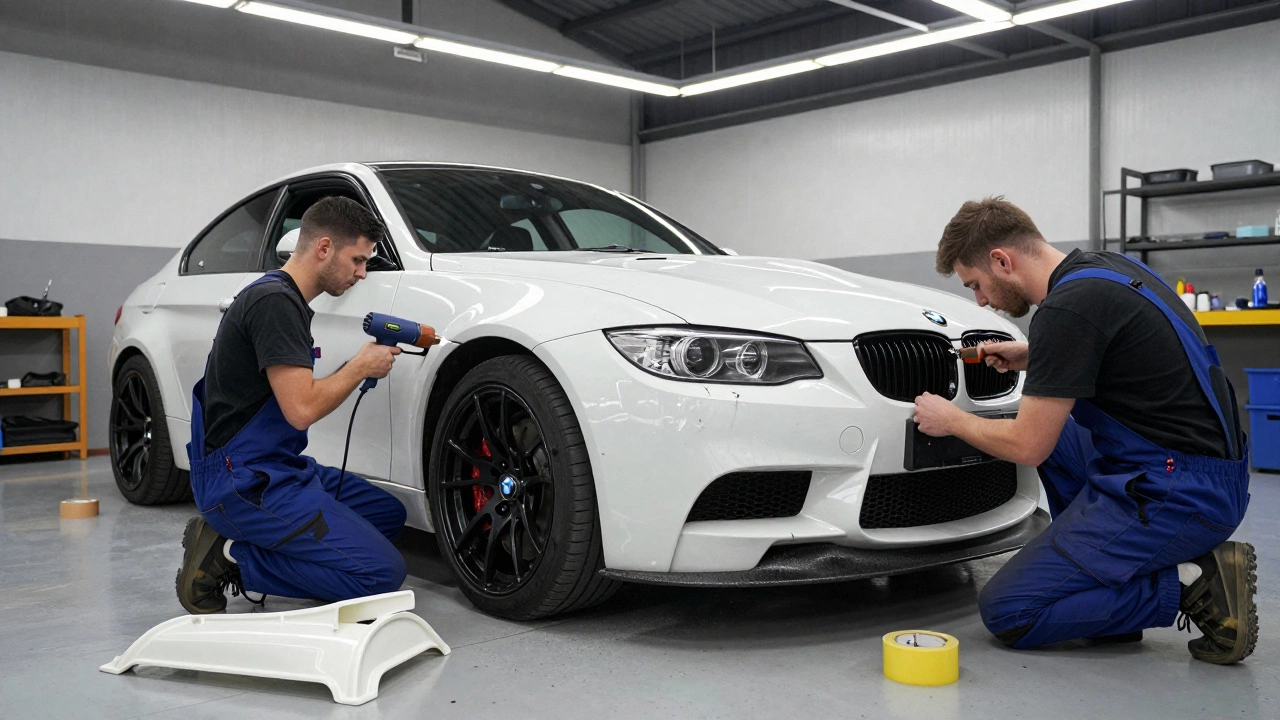
The biggest reason body kit installs drag on time isn’t the parts-it’s the fitment. Aftermarket kits are made to fit a range of models, not your exact car. Every manufacturer tweaks their design slightly year to year. A kit made for a 2016-2019 Toyota Supra might not fit a 2020 model without modification. You might need to heat and reshape plastic with a heat gun, or use a Dremel to trim inner fender liners.Then there’s the adhesive. Most kits use 3M automotive double-sided tape, epoxy, or urethane adhesive. These need time to cure. Rushing this step leads to parts falling off at highway speeds. Shops will often wait 24-48 hours after installation before letting you drive the car.
Electrical components are another hidden time-suck. Many modern body kits include integrated LED lighting or fog lights. If your car didn’t come with them, you’ll need to tap into the wiring harness. That means tracing wires, adding relays, and sometimes installing a fuse tap. One wrong connection can fry your ECU or blow a fuse. It’s not hard, but it’s slow.
What Can Speed Things Up?
There are a few things that make the process faster:- Buying a kit designed for your exact year, make, and model (look for “direct fit” or “OEM-style”)
- Choosing a kit that doesn’t require cutting the factory fenders or quarter panels
- Having the car already painted and prepped before the kit arrives
- Working with a shop that specializes in body kits-not just general body repair
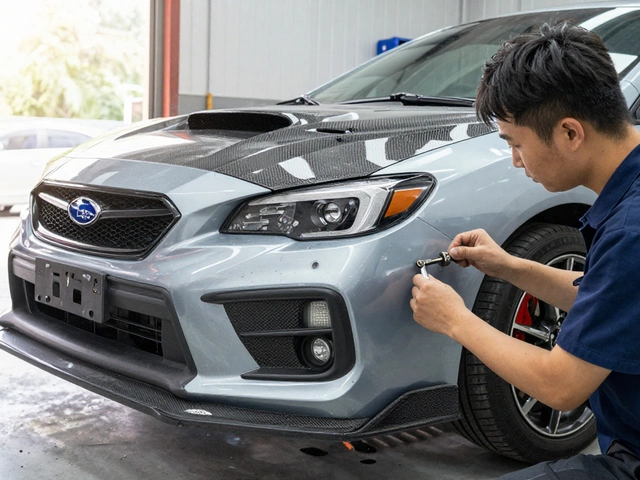
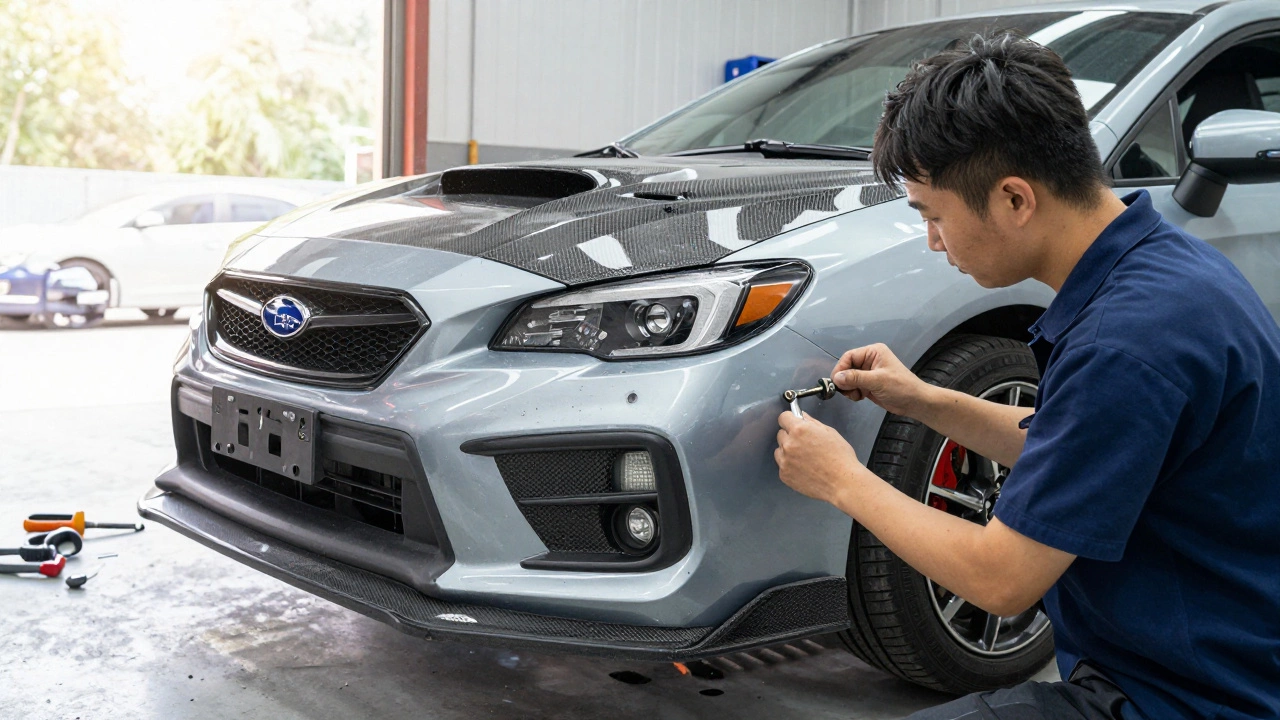
Some companies, like APR Performance or Razzi, design kits with pre-drilled holes and matching bolt patterns. Those can cut installation time by 30-40%. I’ve seen a 2022 Subaru WRX with an APR widebody kit installed in under 16 hours by a specialist-most shops would’ve taken 30+ hours for the same job.
Common Pitfalls and How to Avoid Them
Here’s what goes wrong more often than people expect:- Gap issues: Uneven gaps between the body kit and the car look sloppy. Solution: Dry-fit everything, use spacers, and check alignment from multiple angles.
- Adhesive failure: Cheap tape or improper surface prep = parts falling off. Solution: Use 3M VHB tape, clean with isopropyl alcohol, and let it cure for 24 hours.
- Paint mismatch: New paint doesn’t blend with faded factory paint. Solution: Paint the whole panel, not just the kit.
- Over-tightening bolts: Plastic parts crack under too much pressure. Solution: Use torque specs if provided, or hand-tighten with a wrench and stop when it feels snug.
- Ignoring aerodynamics: A big rear wing on a front-wheel-drive car might look cool, but it adds drag and reduces fuel economy. Think about function, not just looks.
Is It Worth the Time?
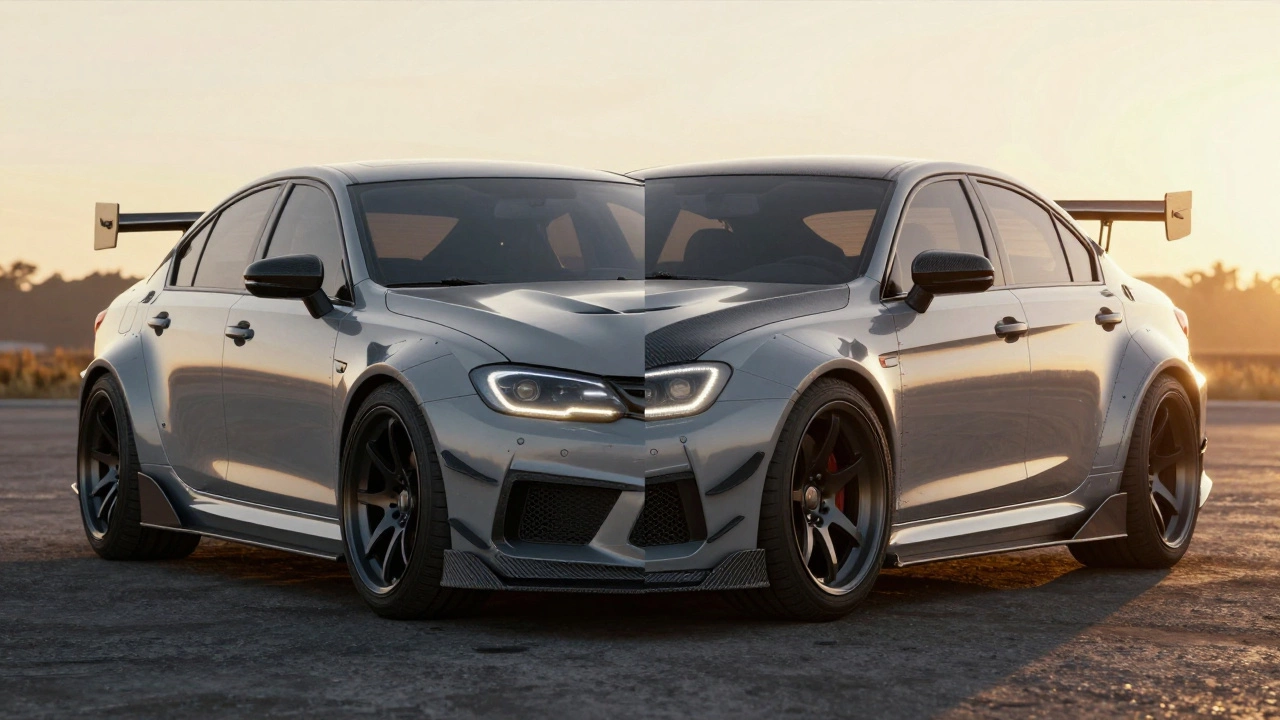
If you’re after a dramatic visual upgrade, yes. A good body kit transforms how your car looks-it makes it look lower, wider, and more aggressive. It’s one of the most noticeable modifications you can make without touching the engine.But if you’re short on time or don’t have the right tools, it’s better to wait. Rushing it leads to a cheap-looking job that lowers your car’s resale value. A poorly installed body kit is harder to remove than a good one is to install.
Plan for at least two full days if you’re doing it yourself. If you’re hiring someone, budget for 3-5 days total, including paint. And don’t forget to factor in weather. Installing a body kit in freezing rain or direct sun? Bad idea. Temperature affects adhesive performance and paint curing.
At the end of the day, the time you spend is the price of ownership. A body kit isn’t a quick mod-it’s a commitment. But when it’s done right, you’ll look at your car every time you walk into the garage and know it was worth every hour.
Can I install a body kit myself without any experience?
Yes, but it’s risky. Simple kits like lip spoilers or small side skirts can be done by beginners with patience. But full widebody kits that require cutting, drilling, or electrical work are best left to professionals. Mistakes like misaligned panels or broken sensors can cost more to fix than hiring someone in the first place.
Do I need to paint the body kit before installing it?
Most body kits come unpainted. You can install them raw and paint later, but it’s harder to get a clean finish after mounting. It’s better to have the kit painted before installation, especially if you need to match faded factory paint. Some shops offer paint-and-install packages that save time and ensure color accuracy.
How much does professional body kit installation cost?
Labor costs vary by region and complexity. In Melbourne, expect $80-$120 per hour. A basic kit might cost $400-$600 in labor. A full widebody with custom fitting and paint prep can run $1,500-$3,000. Always ask if the quote includes paint, sanding, and alignment checks.
Will a body kit affect my car’s warranty?
It depends. If the installation damages factory components (like sensors or wiring), the manufacturer can deny warranty claims related to those parts. However, the entire warranty isn’t voided. Always keep receipts and documentation showing the kit was installed properly. Some dealerships even offer certified aftermarket installation programs.
Can I remove a body kit later without damaging my car?
Yes, if it was installed correctly. Bolt-on kits are easy to remove. Adhesive-based kits require careful heating and prying to avoid pulling paint off the original body. Never use metal tools directly on the car’s surface. A plastic trim tool and heat gun are your best friends. Most factory parts can be restored with minimal damage.
What’s the best time of year to install a body kit?
Spring or early autumn are ideal. Temperature matters for adhesive curing and paint drying. Avoid winter-cold makes plastic brittle and glue weak. Avoid summer heat too-sun can cause warping during installation. Aim for temperatures between 15°C and 25°C with low humidity.