Window Tint Curing Estimator
Climate Conditions
Enter your local climate details to see your estimated timeline.
Quick Care Tips
- No Rolling: Keep windows up until the "Safe to Roll" date passes.
- Sunlight: Park in direct sun if possible to speed up curing.
- Cleaning: Wait at least 4 weeks before cleaning the inside of the glass.
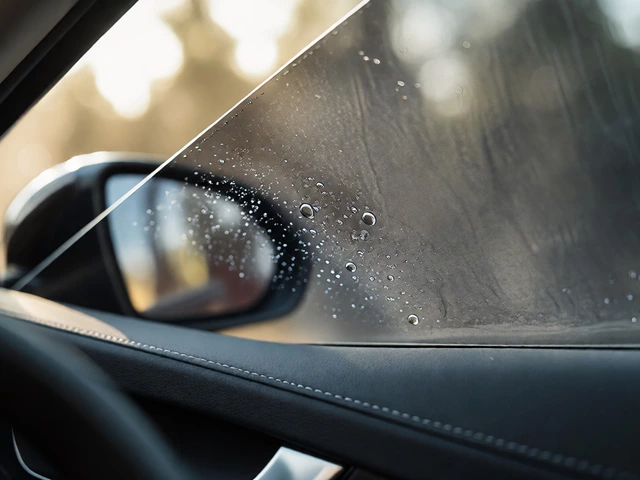
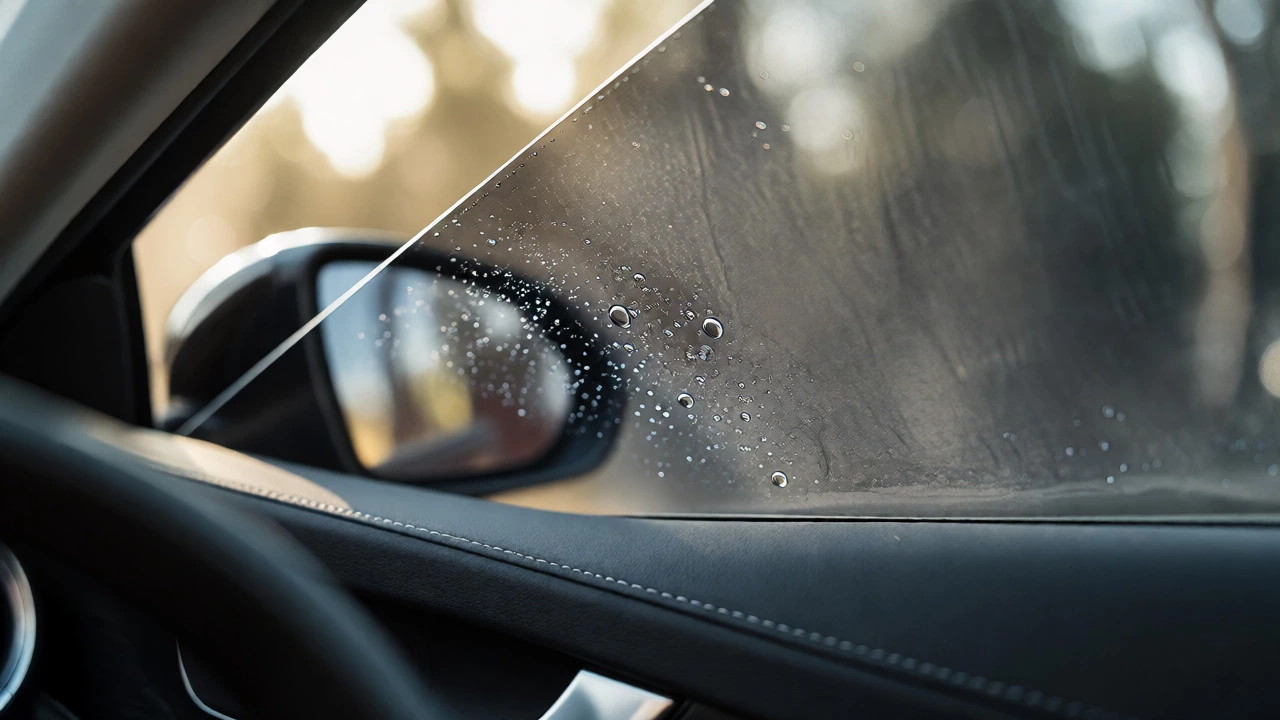
You just drove out of the shop with freshly installed window tint and you’re staring at it in the rearview mirror. It looks lighter than you expected. Maybe a little hazy, too. You paid for that sleek, dark look, but right now your windows feel like they’re wearing a pair of cheap sunglasses instead of the premium shade you ordered. So, does tint get darker as it cures? The short answer is yes, but not because the dye itself is changing color. The darkness you see initially is an illusion created by moisture trapped between the film and the glass.
This isn’t a defect; it’s physics. Understanding how this process works saves you from calling the installer in a panic three days later. More importantly, knowing the timeline prevents you from rolling down those windows too early and ruining the bond before it sets. Let’s break down exactly what happens during the curing phase, why your eyes are tricking you, and how to speed up the transition to that deep, uniform black.
The Science Behind the "Wet" Look
To understand why your tint looks light today but will look dark tomorrow, you have to look at how installation actually works. Installers don’t stick dry film onto dry glass. They use a slip solution-usually water mixed with a tiny bit of baby shampoo or specialized soap-to position the film on the window. Once positioned, they squeegee the liquid out. But here’s the catch: they can’t get every single drop out. A microscopic layer of moisture remains trapped between the adhesive side of the film and the glass surface.
This residual moisture changes how light passes through the window. When the water evaporates, it leaves behind air pockets or slight unevenness that scatter light, making the film appear milky or lighter. As the water molecules escape through the edges of the film, the film settles into direct contact with the glass. This contact eliminates the scattering effect, allowing the true color density of the film to shine through. Think of it like putting a wet piece of paper against a window versus a dry one. The wet paper looks translucent; the dry paper becomes opaque and dark.
| Curing Stage | Appearance | Texture/Feel | Risk Level |
|---|---|---|---|
| Day 1-3 | Light, hazy, possible bubbles | Slightly soft, slippery if touched | High (Do not roll down) |
| Week 1 | Darker, haze reducing | Firming up, adhering tightly | Medium (Avoid heavy cleaning) |
| Month 1+ | True color, crisp definition | Hard, fully bonded | Low (Safe to clean) |
How Long Does It Actually Take?
There is no single answer to "how long," because curing is entirely dependent on environmental factors. In a hot, sunny desert climate, you might see significant improvement in three to five days. In a cool, damp Pacific Northwest winter, it could take four weeks or more. The general rule of thumb provided by most professional installers is a range of two to four weeks for full curing.
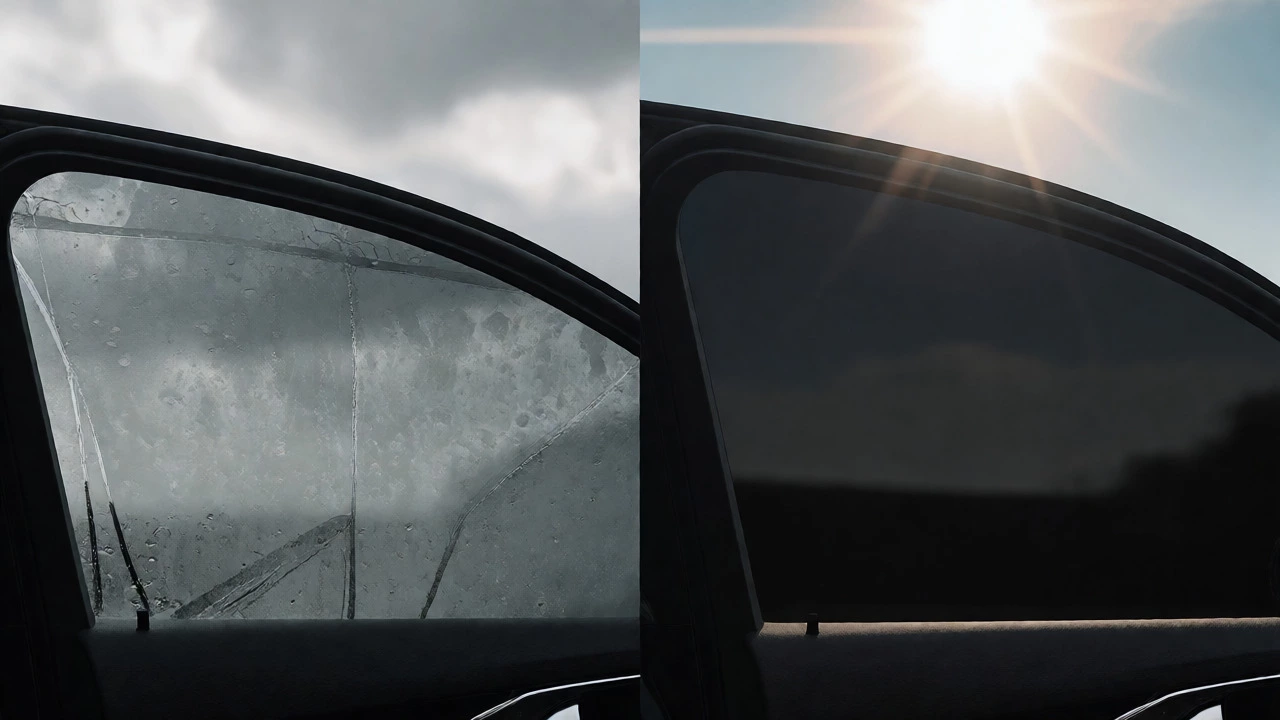
However, you’ll notice the most dramatic change in the first week. By day seven, about 80% of the moisture has usually evaporated. The windows will look significantly darker and clearer than they did on day one. If you live in a region with high humidity, the evaporation rate slows down because the air is already saturated with water vapor. Conversely, direct sunlight accelerates the process by heating the glass and forcing the moisture out faster.
Don’t let the initial appearance scare you. If you installed 5% limo tint (which allows only 5% of visible light through), it will never look completely black when wet. It will look like a very dark gray. Once cured, it approaches that true black aesthetic. If you installed a lighter shade, like 35%, the difference is less noticeable but still present.
Bubbles vs. Haze: What’s Normal?
One of the biggest sources of anxiety for new tint owners is seeing small bubbles or foggy patches. Are these signs of a bad job? Usually, no. There are two types of imperfections you need to distinguish between: moisture bubbles and adhesive failures.
Moisture bubbles are small, circular, and often move slightly when you press on them. They contain the slip solution that hasn’t escaped yet. These will disappear on their own as the film dries. They might even migrate toward the edges of the window where the vent holes allow air exchange. Do not poke them with a needle. Just wait.
Haze, on the other hand, is a cloudy appearance across the entire pane. This is also normal during the first few days. It looks like the window is dirty or fogged up from the inside. As the moisture level drops below a certain threshold, this cloudiness vanishes abruptly. One day it’s there, the next day it’s gone, revealing crystal-clear visibility.
If you see large, irregular blisters that don’t change shape after two weeks, that might be an issue with the installation technique or debris trapped under the film. But for the first month, patience is your best tool.
Factors That Speed Up or Slow Down Curing
You can influence the curing timeline, but you can’t force it. Here is what controls the clock:
- Temperature: Heat is the enemy of moisture retention. Park your car in the sun whenever possible. The greenhouse effect inside the cabin raises the glass temperature, accelerating evaporation. If it’s freezing outside, the process stalls.
- Humidity: Dry air absorbs moisture better than humid air. If you live in Florida in August, expect a longer cure time than someone in Arizona in November.
- Tint Quality: Higher-quality films often use advanced adhesives that bond differently. Some premium ceramic tints are designed to cure faster, while cheaper dyed films may hold moisture longer due to thicker adhesive layers.
- Glass Type: Double-pane or laminated glass (common in windshields) conducts heat differently than single-pane side windows. Windshields often cure slower because they are thicker and sometimes have different coatings.
A common myth is that cracking the windows helps. It doesn’t. In fact, rolling down windows too early is the number one cause of peeling. The film needs to adhere to the glass edge-to-edge. If you roll it down before the adhesive sets, the rubber weather stripping can lift the edge of the film, creating a permanent crease or gap.
The Golden Rule: No Rolling Down Windows
This is the most critical instruction you will receive from any reputable installer: do not roll down your windows for at least 3 to 7 days. Why? Because the adhesive is still chemically bonding. The mechanical friction of the glass moving up and down against the film edge can break that bond.
Once the bond breaks, dirt and dust get underneath the lifted edge. You end up with a "lifted corner" that looks terrible and can spread over time. You can’t fix it easily without replacing the whole panel. So, keep those windows up. Use your AC vents to cool the car, or crack the door open slightly if you’re desperate for fresh air, but avoid the window mechanism entirely.
After the first week, you can test the firmness. Gently push on the center of the glass. If the film feels solid and doesn’t shift, it’s likely safe to start using the windows normally. But if it feels squishy or moves independently of the glass, give it another few days.
How to Clean Your Tint Without Ruining It
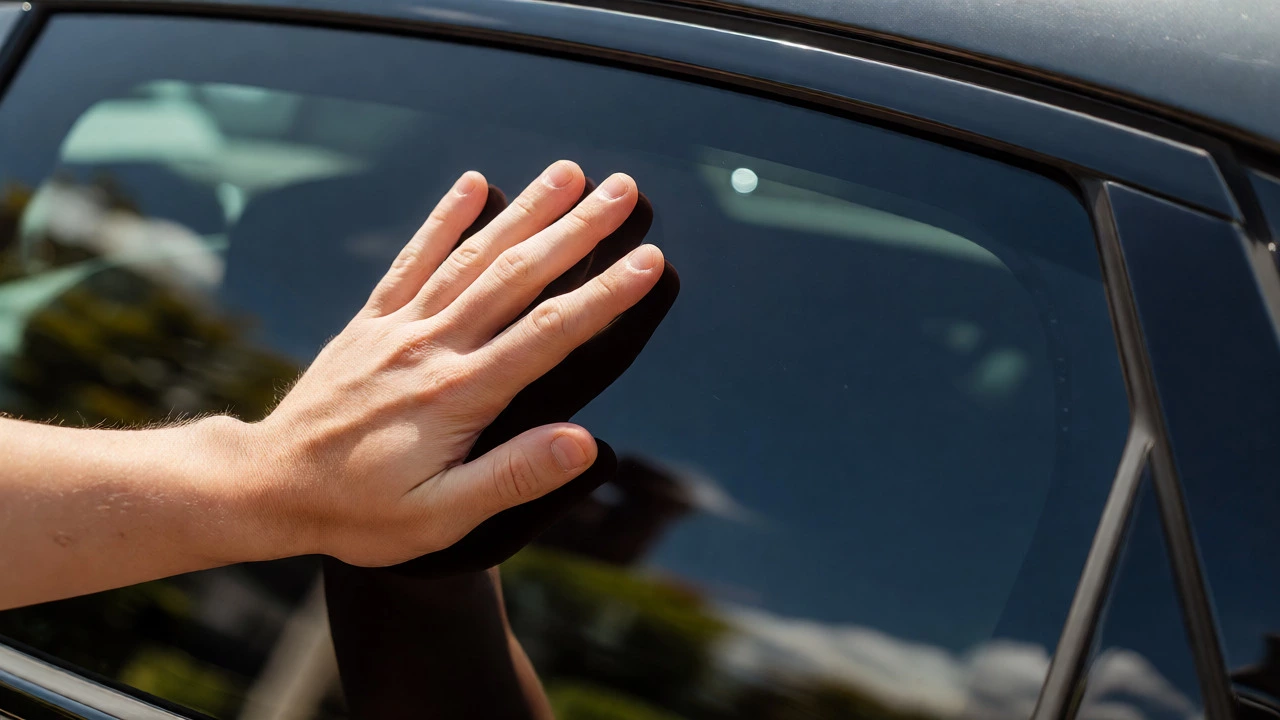
When the cure is complete, you’ll want to clean your windows. But standard household cleaners are dangerous for new tint. Ammonia-based products (like many Windex variants) can degrade the adhesive and turn the film purple or brittle over time.
Wait at least four weeks before doing a thorough interior cleaning. Even then, use a soft microfiber cloth, not paper towels. Paper towels are abrasive and can scratch the delicate top coat of the film. Use a cleaner specifically labeled "ammonia-free" or a simple mix of distilled water and a drop of dish soap. Spray the cloth, not the window, to prevent excess liquid from seeping under the edges.
Exterior cleaning is safer sooner since the film is protected by the glass, but still avoid high-pressure washers directly on the edges of the windows for the first month.
When to Call the Installer Back
While most changes are normal, some things aren’t. If after 30 days you still see large areas of haze, or if the tint is peeling off the edges, contact your installer. Also, watch for "purple hue" fading. While modern ceramic and carbon films resist fading, older dyed films can change color over years. But immediate discoloration within the first month suggests a defective batch or improper installation.
Another red flag is persistent bubbling that grows larger instead of shrinking. This indicates trapped air rather than moisture, which won’t resolve on its own. Professional installers can sometimes inject a small amount of solution to re-adhere the spot, but it’s best to address this early.
Final Thoughts on Expectations
Buying window tint is an investment in comfort, UV protection, and aesthetics. Don’t judge the final result on day one. The transformation from "wet-looking" to "premium finish" is part of the process. Trust the science, follow the care instructions, and enjoy the gradual reveal of your car’s new look.
Remember: darker doesn’t always mean better protection, but proper curing ensures the protection you paid for is fully active. Give it time, keep the windows up, and stay out of the rain if you can help it (though rain won’t hurt cured tint, it keeps the environment humid).
Why does my tint look purple?
If your tint looks purple immediately after installation, it may be due to the angle of light hitting the film or a specific dye formulation. However, if it turns purple over time, it indicates low-quality dye that is breaking down under UV exposure. High-quality ceramic or carbon films should remain neutral in color. Check your warranty terms if the color shifts significantly within the first year.
Can I wash my car right after getting tint?
Yes, you can wash the exterior of your car immediately. The water does not penetrate the glass to reach the film. However, avoid high-pressure sprays directly on the window seals for the first week to ensure the edges stay sealed. Interior cleaning should be delayed until the tint is fully cured.
Will rain ruin new window tint?
Rain will not ruin the tint itself, as the film is applied to the inside of the glass. However, high humidity from rain slows down the curing process because the moist air cannot absorb the water trapped under the film as efficiently. If possible, park in a garage during prolonged rainy spells to help the tint dry faster.
How long should I keep windows rolled up?
Most professionals recommend keeping windows rolled up for at least 3 to 7 days. In colder or more humid climates, extend this period to 10-14 days. Rolling down too early can cause the film to peel away from the glass edge, leading to permanent damage.
Is it normal to see lines on the tint?
Yes, faint horizontal lines are often visible during the curing process. These are tracks left by the squeegee used to remove excess water. As the remaining moisture evaporates evenly, these lines typically disappear. If they persist after a month, consult your installer.