Window Tint Investment Calculator
Select your preferred tint type and adjust the ownership period to see which option provides the best value over time.
Dyed Film
Budget-friendly option with shorter lifespan
$Metalized Film
Mid-range durability with signal interference risk
$$Ceramic Film
Premium quality with maximum longevity
$$$Your Results
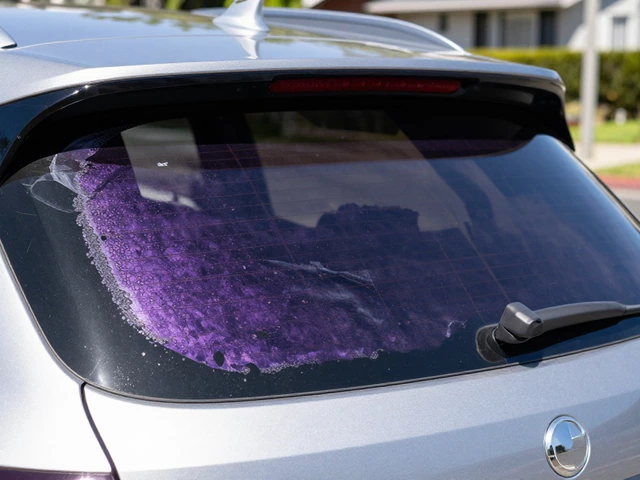
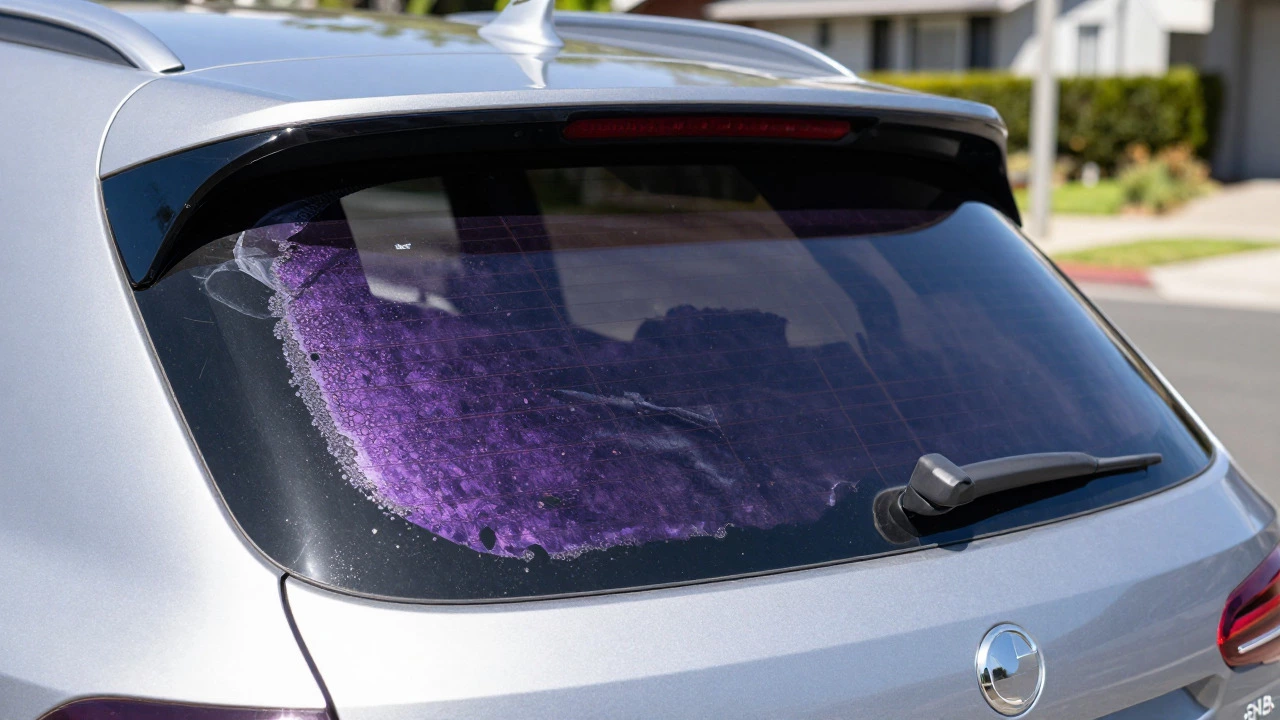
Imagine you just paid for a fresh set of ceramic window tint on your new SUV. It looks sleek, keeps the cabin cool, and gives you that privacy you wanted. Fast forward two years, and you notice the rear windows have turned a purplish hue. Or worse, they’re bubbling up like old wallpaper. You might be asking yourself: does tint actually fade in the sun?
The short answer is yes, but it depends entirely on what kind of film you put on your glass. Not all tints are created equal. Some will look brand new after five years, while others start degrading within months, especially if you live somewhere with intense sunlight like Melbourne, where the UV index can spike dangerously high even in winter.
Why Does Window Tint Degrade?
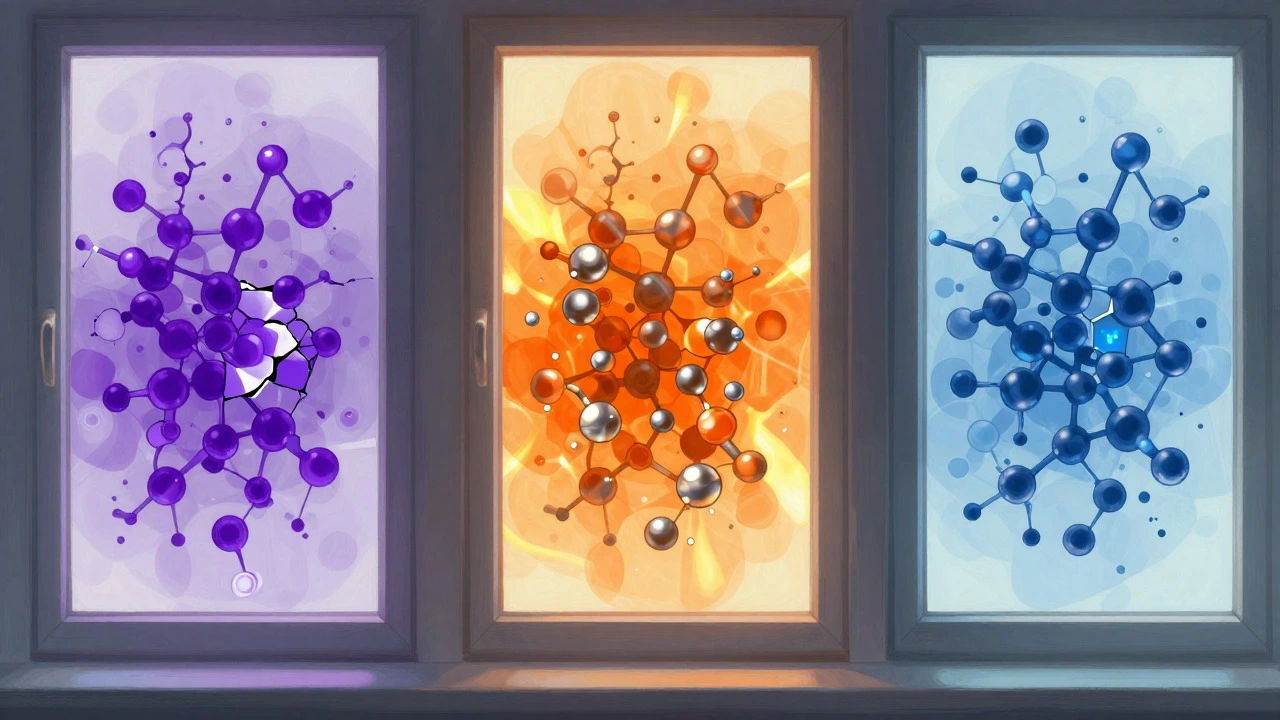
To understand why tint fades, you need to know what’s attacking it. The primary enemy is ultraviolet (UV) radiation. When UV rays hit the chemical bonds in the tint film, they break them down over time. This process is called photodegradation. Think of it like leaving a white plastic chair in the backyard; eventually, it turns brittle and gray. That’s exactly what happens to low-quality tint.
Heat plays a supporting role here. High temperatures accelerate the chemical breakdown. If your car sits parked under the midday sun, the interior temperature can soar past 60°C. This heat expands and contracts the film, stressing the adhesive layer. Over time, this leads to bubbling, peeling, or discoloration. So, it’s not just the light-it’s the combination of UV exposure and thermal stress that kills your tint.
Dyed Film: The Budget Option That Fades Fast
If you want the cheapest option at the shop, you’ll likely be offered dyed window film. This is the most basic type of tint available. It consists of layers of polyester with a dye sandwiched in between. The dye absorbs solar energy to reduce glare and heat.
Here’s the catch: the dye isn’t stable against strong UV rays. Within 12 to 24 months, the purple pigment often starts to bleed through, giving your windows an unflattering violet tint. This is known as "purple fade." It doesn’t just look bad; it means the film has lost its ability to block heat effectively. In hot climates, dyed film is essentially a cosmetic upgrade that sacrifices longevity for price. If you buy dyed tint, expect to replace it every few years.
Metalized Film: Stronger, But With Trade-Offs
Step up from dyed film, and you get metalized window film. This type contains tiny metallic particles embedded in the adhesive layer. These metals reflect heat and strengthen the film, making it much more resistant to fading than dyed options. A good metalized tint can last 5 to 7 years without significant color change.
However, there’s a downside. Those same metallic particles can interfere with electronic signals. You might notice your GPS signal dropping, your mobile phone losing bars, or your ETC toll transponder failing to read. If you rely heavily on in-car electronics, metalized film might cause more headaches than it solves. It’s durable, but it’s not perfect for modern connected cars.
Ceramic Film: The Gold Standard Against Fading
This brings us to ceramic window tint. Ceramic films use non-conductive ceramic nanoparticles instead of dyes or metals. These particles are incredibly stable and don’t degrade when exposed to UV light. As a result, ceramic tint rarely fades. It maintains its clarity and color for 10 to 15 years, often lasting the lifetime of the vehicle.
Beyond durability, ceramic film offers superior heat rejection. It blocks up to 99% of harmful UV rays and significantly reduces infrared heat. Plus, because it’s non-metallic, it won’t interfere with your radio, GPS, or phone signals. Yes, it costs more upfront-often double the price of dyed film-but when you factor in the lack of replacement costs and better comfort, it’s usually the smarter investment.
| Tint Type | Average Lifespan | Fade Resistance | Signal Interference | Price Range |
|---|---|---|---|---|
| Dyed Film | 2-4 years | Poor (Purple fade) | None | $ |
| Metalized Film | 5-7 years | Good | High | $$ |
| Ceramic Film | 10-15+ years | Excellent | None | $$$ |
Installation Quality Matters Just as Much
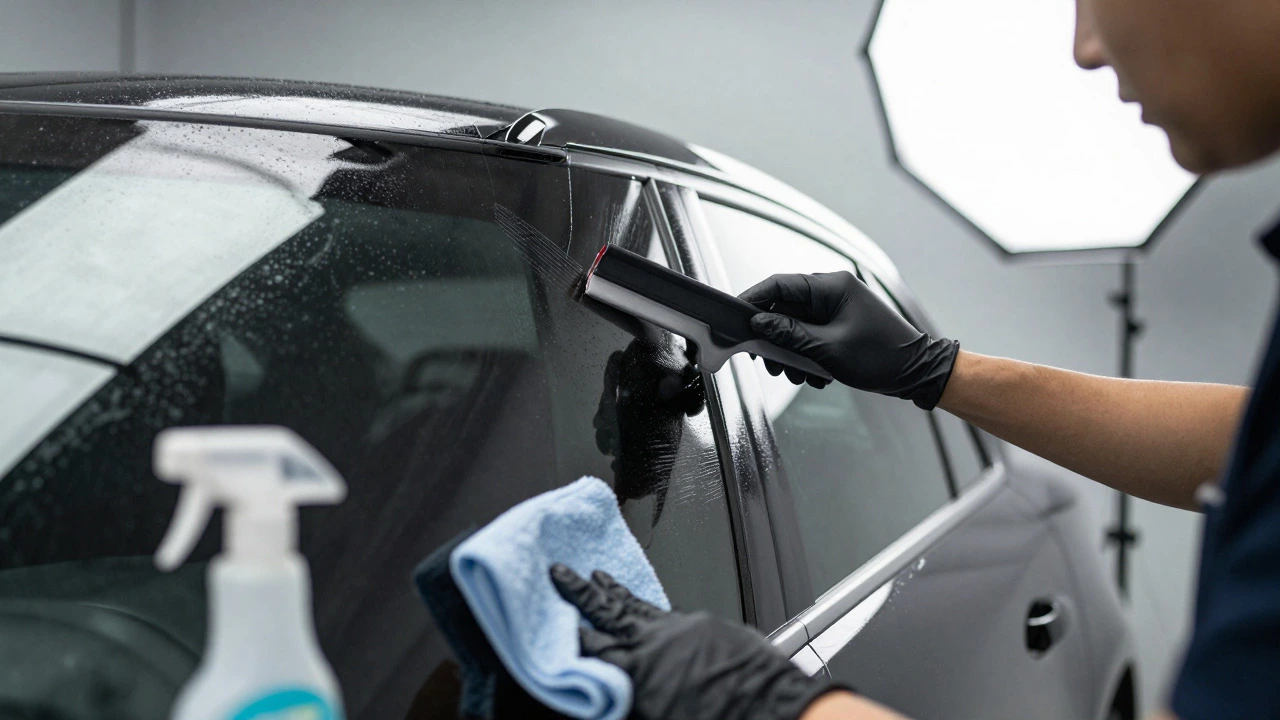
You can buy the best ceramic film on the market, but if it’s installed poorly, it will fail prematurely. Professional installation is critical. Technicians work in clean rooms to prevent dust particles from getting trapped under the film. They also ensure the edges are sealed properly so moisture doesn’t seep in.
If water gets behind the tint, it causes bubbling. These bubbles aren’t just ugly; they indicate that the adhesive is breaking down. Once the bond is compromised, the film will peel off. Always choose a reputable installer who offers a warranty. Most quality shops provide a lifetime warranty on their workmanship, which covers issues like bubbling and peeling, though not necessarily natural wear and tear.
How to Extend the Life of Your Tint
Even premium tint needs some care to last its full lifespan. Here are a few simple tips to keep your windows looking sharp:
- Avoid ammonia-based cleaners: Ammonia eats away at the protective coating of the tint. Use a vinegar-water solution or a cleaner specifically designed for tinted windows.
- Wait before rolling down windows: After installation, wait at least 3-5 days (or longer in humid weather) before rolling down your windows. This allows the adhesive to cure fully.
- Park in shade when possible: While ceramic tint handles heat well, reducing direct exposure helps preserve the adhesive integrity over many years.
- Use soft cloths: Avoid paper towels or rough sponges that can scratch the film surface. Microfiber cloths are your best friend.
Legal Limits in Australia
Before you go dark, check local laws. In Victoria, for example, the front side windows must allow at least 35% of light through (VLT - Visible Light Transmission). Rear windows can be darker, but windshields generally cannot be tinted except for a small strip at the top. Fines for illegal tint can be steep, and you may be forced to remove it at your own cost. Always verify current regulations with VicRoads or your state’s transport authority.
How long does window tint last before fading?
The lifespan depends on the type of film. Dyed tint typically lasts 2-4 years before showing signs of purple fade. Metalized tint can last 5-7 years. High-quality ceramic tint can last 10-15 years or more without significant fading.
Why did my window tint turn purple?
Purple tint is a sign of degradation in dyed window film. UV rays break down the dye molecules, causing the remaining pigments to shift toward purple. This indicates the film is losing its effectiveness and should be replaced.
Does ceramic window tint ever fade?
Ceramic tint is highly resistant to fading due to its stable nanoparticle composition. While no material is immortal, ceramic film maintains its color and performance for over a decade, making it the best choice for longevity.
Can I remove faded window tint myself?
Yes, but it requires patience. You can use a steamer or soak the windows in soapy water to loosen the adhesive. Be careful not to damage the defroster lines on rear windows. For best results, consider professional removal to avoid residue or glass scratches.
Is it worth paying extra for ceramic tint?
Absolutely. While the upfront cost is higher, ceramic tint offers better heat rejection, zero signal interference, and virtually no fading. Over the life of the vehicle, it saves money by eliminating the need for frequent replacements.