Exhaust Size Calculator
Determine the ideal exhaust pipe size for your vehicle based on actual horsepower and modifications.
Enter your horsepower to see the recommended exhaust size.
Everyone talks about upgrading to a 3-inch exhaust. You see it in forums, on YouTube, in Instagram reels-"Go big or go home," right? But here’s the truth: a 3-inch exhaust isn’t automatically better. It’s not a magic upgrade. It’s not even always the right choice. If you’re thinking about swapping your stock exhaust for a 3-inch system, you need to know what it actually does-and what it doesn’t.
What does exhaust size even mean?
Exhaust pipe diameter-like 2.5 inches, 3 inches, or 3.5 inches-refers to the internal width of the tubing that carries exhaust gases out of your engine. Bigger pipes sound louder. They look meaner. And yes, they can flow more air. But flow isn’t the whole story. Your engine doesn’t care how wide the pipe is. It cares about how well the whole system works together.
Think of it like breathing. If you’re jogging, you don’t need a fire hose for air. You need just enough. Too much, and you lose control. Same with exhaust. A 3-inch pipe might help a high-horsepower engine breathe better. But if you’ve got a stock 2.0L four-cylinder making 180 horsepower? You’re probably just making noise and losing low-end torque.
When does a 3-inch exhaust actually help?
There are only a few real cases where a 3-inch system makes a measurable difference:
- You’ve added a turbocharger or supercharger
- Your engine makes over 350 horsepower at the wheels
- You’ve upgraded the intake, headers, and ECU tune
- You’re running a race setup or track-focused build
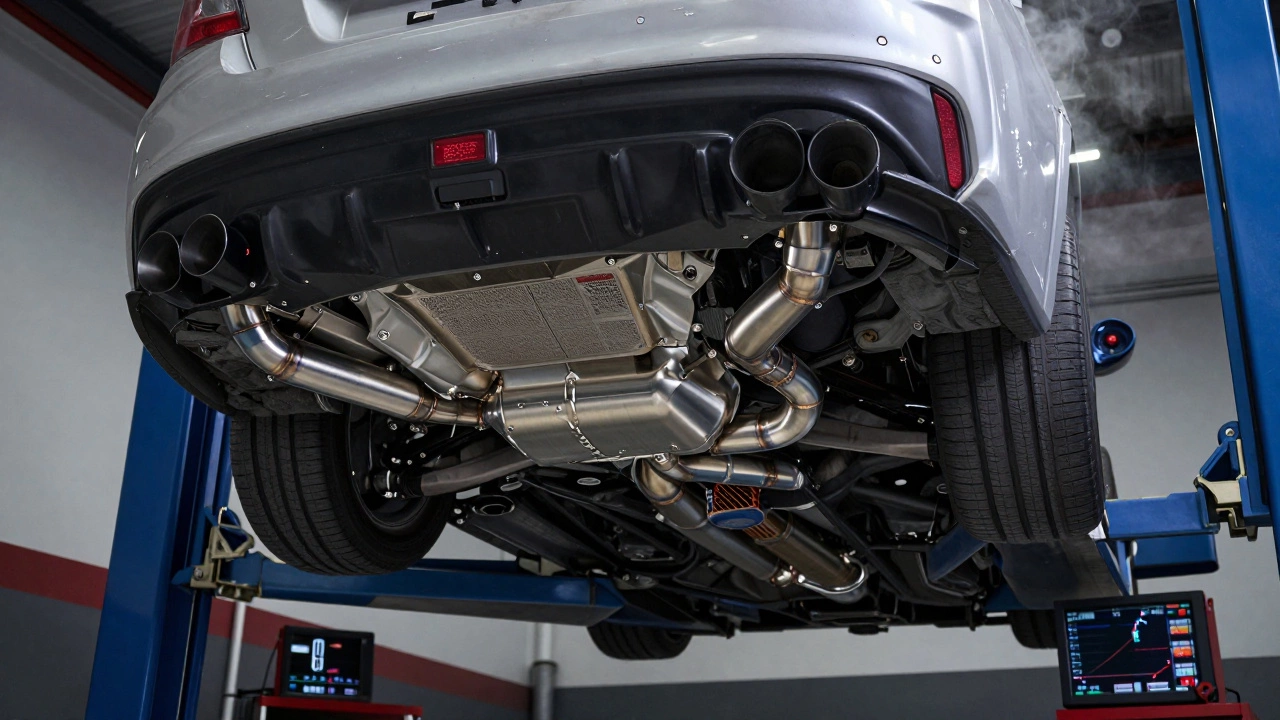
For example, a modified Subaru WRX with a 2.5L turbo, aftermarket headers, and a custom tune can benefit from a 3-inch exhaust. The engine produces so much exhaust gas that a smaller pipe creates backpressure-slowing things down. A 3-inch system reduces that restriction, helping spool the turbo faster and letting the engine breathe easier at high RPM.
But if you’ve got a naturally aspirated Honda Civic with 150 horsepower? A 3-inch exhaust won’t give you more power. It’ll just make it louder-and possibly slower off the line.
What you lose with a 3-inch exhaust
Most people don’t talk about the downsides. But they’re real.
- Reduced low-end torque: Smaller pipes create a bit of backpressure, which helps scavenge exhaust gases at low RPM. That’s why stock exhausts are often 2.25 to 2.5 inches-they’re tuned for daily driving. Go too big, and you lose that low-RPM pull. You’ll feel sluggish in traffic or when merging.
- Louder cabin noise: A 3-inch system usually means less muffling. You’ll hear more drone at highway speeds. In a sedan or daily driver, that gets annoying fast.
- Weight and cost: Bigger pipes need bigger hangers, more material, and stronger mounting. A quality 3-inch system can cost $1,200-$2,500 installed. Is that worth it if you’re not gaining power?
- Legal issues: In Australia, loud exhausts can trigger fines. VicRoads and other state authorities have noise limits. A 3-inch system with no resonators or poor muffling might fail a roadworthy check.
What’s the sweet spot for most cars?
For 90% of street-driven cars, the best exhaust size is between 2.25 and 2.75 inches. Here’s a simple guide:
| Engine Power (WHP) | Recommended Exhaust Size | Best For |
|---|---|---|
| Under 200 | 2.25-2.5 inches | Stock or mild mods, daily driving |
| 200-300 | 2.5-2.75 inches | Stage 1/2 tunes, light track use |
| 300-450 | 3.0 inches | Turbocharged builds, serious mods |
| 450+ | 3.5 inches or larger | Race cars, drag builds, high-boost setups |
Most people who upgrade to a 3-inch system without other mods are chasing sound, not performance. And that’s fine-if you know what you’re getting into. But if you think you’re unlocking hidden power, you’re mistaken.
It’s not just the pipe size
Here’s what really matters: the whole system. A 3-inch pipe with a cheap muffler and no resonator? You’ll get drone, no gain, and a headache. A 2.5-inch system with a high-flow cat-back, tuned resonators, and a quality muffler? That can sound better, flow better, and feel more responsive.
Performance isn’t about one part. It’s about balance. The headers, the catalytic converter, the mid-pipe, the muffler, the hangers, the tuning-all of it has to work together. A 3-inch pipe is just one piece. If the rest of the system is mismatched, you’re wasting money.
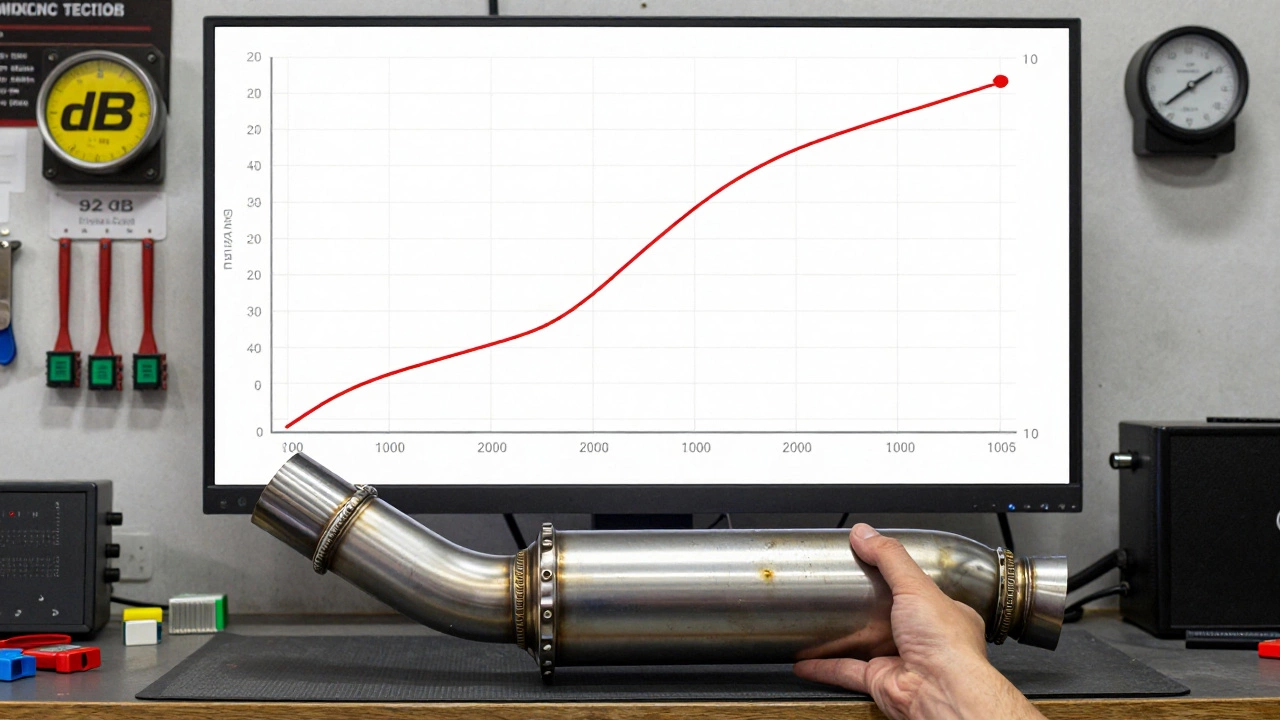
Look at what the pros do. Race teams don’t just slap on the biggest pipe they can find. They test. They dyno. They measure flow rates and backpressure. They pick the size that gives the best torque curve across the rev range-not the loudest one.
What should you do instead?
If you’re thinking about a 3-inch exhaust, ask yourself these questions:
- How much power does my engine actually make? (Check a dyno run if you’ve tuned it)
- Am I running a turbo or supercharger?
- Have I upgraded the intake, headers, or ECU tune?
- Do I care more about sound or performance?
- Am I okay with louder cabin noise and potential legal issues?
If you answered no to most of those, skip the 3-inch system. Go with a 2.5-inch cat-back from a reputable brand like Borla, Akrapovič, or a local Australian tuner like GReddy or Injen. You’ll get a better sound, better response, and you won’t lose low-end torque.
If you’re building a serious track car or a high-horsepower turbo build? Then yes, a 3-inch system makes sense. But don’t just buy it because it looks cool. Get it professionally designed. Make sure the whole system is matched to your engine’s output. And get it tuned.
Real-world example: Melbourne street build
A friend in Melbourne upgraded his 2018 Toyota 86 from stock 2.25-inch exhaust to a 3-inch system after adding a turbo kit. Power jumped from 170 to 320 WHP. The 3-inch system helped-it reduced lag, improved top-end flow, and gave a deep, clean tone without drone.
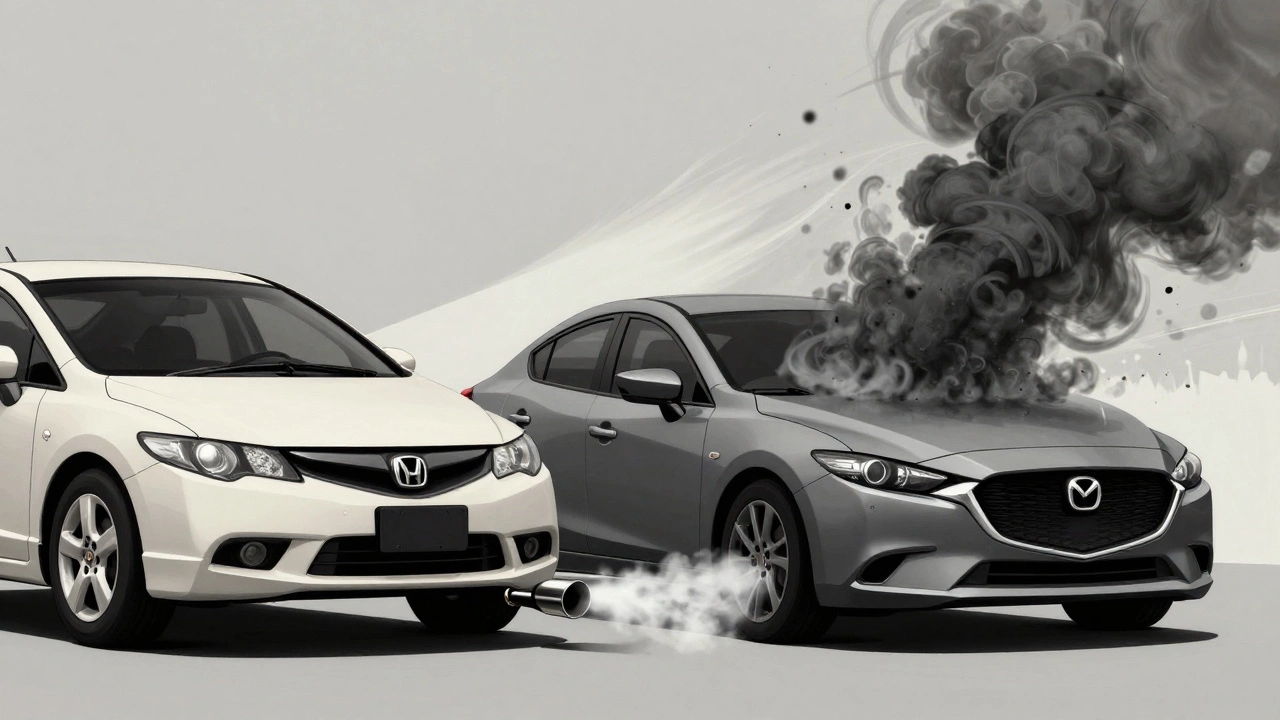
But his neighbor, who put a 3-inch system on his stock 2020 Mazda3, didn’t gain a single horsepower. He just got a noisy car that failed its roadworthy check because the muffler was too loud. He had to replace it with a 2.5-inch system and pay for a new inspection.
Same upgrade. Two totally different outcomes.
Final verdict
A 3-inch exhaust isn’t better. It’s just different. It’s better for high-output engines. Worse for stock or mildly modified cars. It’s not a universal upgrade. It’s a targeted tool.
If you’re serious about performance, start with a dyno. Know your numbers. Then choose the exhaust size that matches your engine’s needs-not your ego.
Don’t upgrade for looks. Upgrade for results.
Is a 3-inch exhaust louder than a 2.5-inch one?
Yes, generally. A larger pipe allows more sound to pass through, especially if the muffler isn’t designed to suppress it. But the muffler and resonator matter more than pipe size alone. A well-tuned 2.5-inch system can be quieter than a poorly designed 3-inch one.
Will a 3-inch exhaust improve my fuel economy?
Unlikely. In most cases, it’ll have little to no effect. If you’re running a high-horsepower engine that was previously restricted, you might see a tiny gain from reduced pumping losses. But for stock or mild cars, you’ll likely see no change-or even a slight drop due to increased noise encouraging harder driving.
Can I install a 3-inch exhaust myself?
It’s possible if you have welding gear, jack stands, and experience with exhaust systems. But cutting and fitting a 3-inch system correctly requires precision. Most people end up with leaks, misalignments, or poor mounting. Professional installation is recommended, especially if you’re upgrading for performance.
Does a 3-inch exhaust need a tune?
Not always, but it helps. If your engine is stock, a 3-inch exhaust alone won’t require a tune. But if you’ve made other modifications-like a turbo, headers, or intake-a tune ensures the engine management system adapts to the new flow characteristics. Without it, you might run lean or lose efficiency.
Are 3-inch exhausts legal in Australia?
It depends on the noise level, not the size. VicRoads and other state authorities limit exhaust noise to 92 decibels at 20 meters under load. A 3-inch system with a good muffler and resonator can pass. One with straight pipes or no muffler won’t. Always check your local regulations before installing.
What’s the most common mistake people make with 3-inch exhausts?
Buying it without understanding their engine’s power output. Most people assume bigger = better, but if your engine doesn’t produce enough exhaust gas, the larger pipe just creates turbulence and kills low-end torque. You end up with a louder, slower car.
Don’t chase the biggest pipe. Chase the right one.