DIY Car Detailing Time Estimator
Configure Your Project
Estimated Timeline
Total Estimated Time:
Breakdown Adjustments:
Select your options and click "Estimate Time" to see how long your detailing project will take.
You’ve just bought a shiny new car detailing kit, and you’re ready to make your vehicle look showroom-fresh. But then the question hits: how much of your weekend are you actually going to lose to this process? The answer isn’t a single number. It depends entirely on your car’s current state, the tools you own, and whether you’re aiming for a quick refresh or a deep, paint-correcting restoration.
If you rush it, you’ll end up with swirl marks and streaks. If you take too long without breaks, you’ll burn out before you finish. This guide breaks down the realistic time commitments for different levels of DIY detailing so you can plan your Saturday properly.
The Quick Refresh: 1-2 Hours
Maybe you just need to get rid of dust, bird droppings, or light grime after a week of city driving. You aren’t trying to fix scratches; you just want the car to look clean. This is the "maintenance wash" tier.
For a standard sedan or hatchback, expect to spend about 60 to 90 minutes. Here’s what that timeline looks like:
- Pre-wash (10 mins): Spray on a snow foam or pre-soak to loosen dirt.
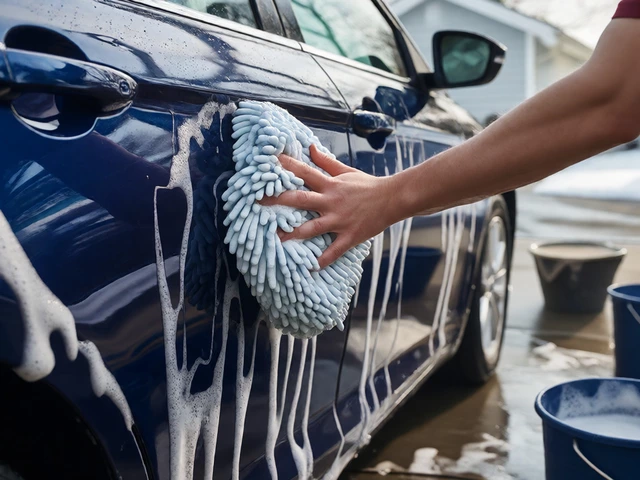
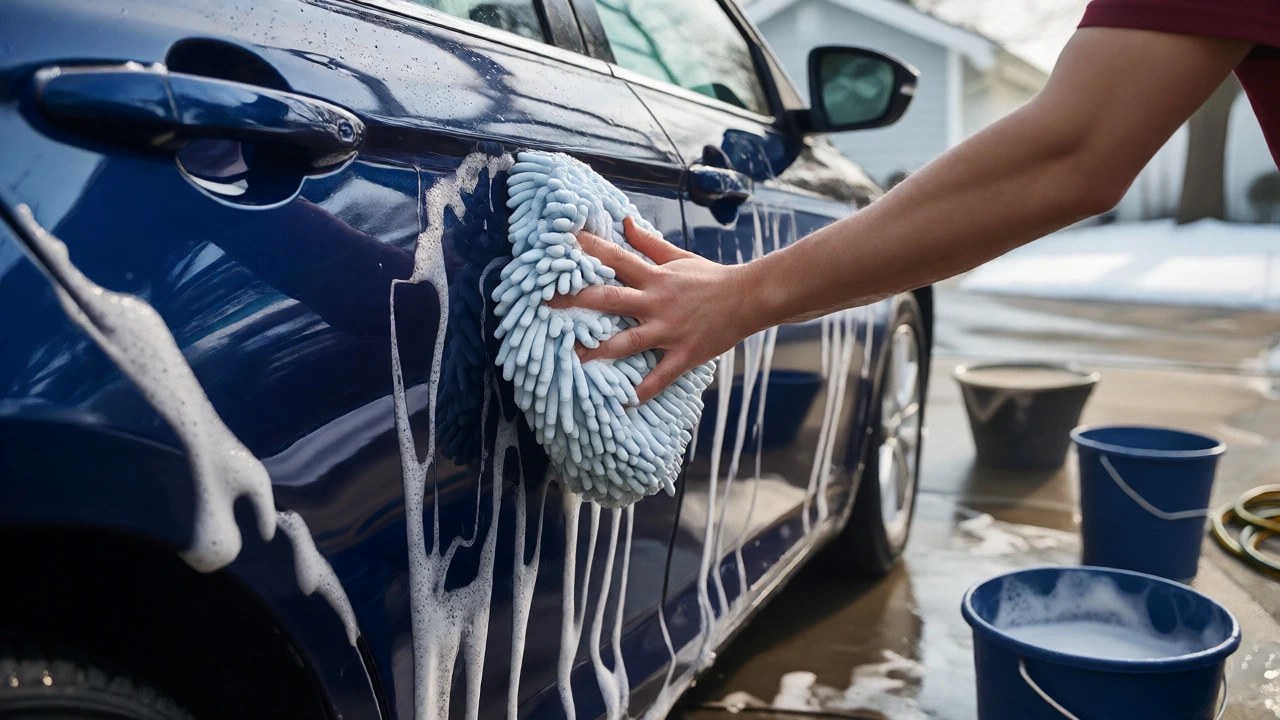
- Contact Wash (20 mins): Two-bucket method with microfiber mitts. Focus on panels, not scrubbing hard.
- Drying (15 mins): Use a large twisted-loop towel. Air blowers help with crevices if you have one.
- Interior Vacuum & Wipe (20 mins): Hit the mats, seats, and dashboard with an all-purpose cleaner.
- Tire Shine (5 mins): Quick wipe on the sidewalls for contrast.
This routine keeps your car presentable but won’t remove embedded contaminants or restore gloss. Think of it as a shower, not a spa day.
The Standard Deep Clean: 3-5 Hours
This is where most people land when they say they’re "detailing" their car. You’re removing tar, tree sap, and brake dust. You’re conditioning the leather and cleaning the glass inside and out. This requires more prep and specific products from your automotive care arsenal.
Plan for half a day. A typical compact SUV takes about 4 hours here. Why the jump in time? Decontamination and protection add significant layers.
| Step | Estimated Time | Key Task |
|---|---|---|
| Wheels & Arches | 30 mins | Acid-free wheel cleaner, brush tires, clean arches. |
| Pre-Wash & Foam | 15 mins | Snow foam application and dwell time. |
| Two-Bucket Wash | 45 mins | Gentle agitation, rinse frequently. |
| Iron Removal | 20 mins | Spray iron remover, watch it turn purple, rinse off. |
| Clay Bar | 45 mins | Lubricate panel, glide clay bar to pull embedded grit. |
| Drying | 20 mins | Pat dry, use air blower for mirrors/grilles. |
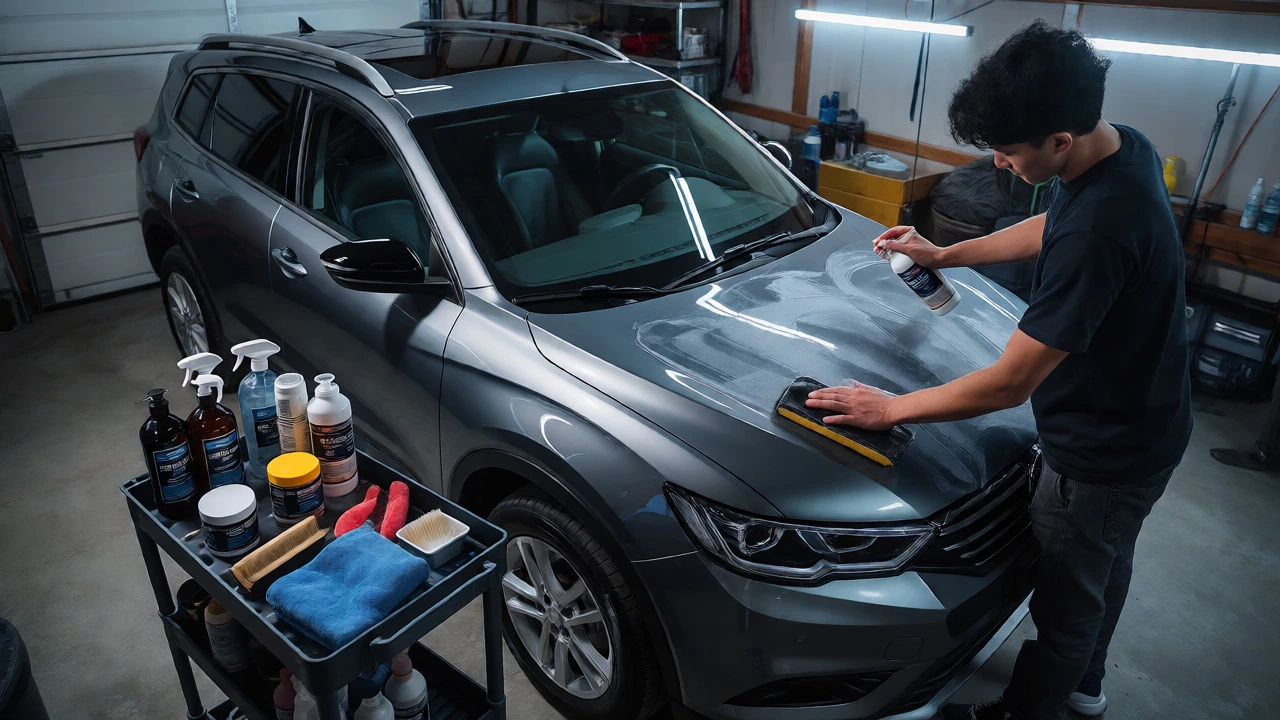
| Paint Protection | 30 mins | Apply spray sealant or wax (small sections). |
| Interior Deep Clean | 60 mins | Steam clean vents, shampoo carpets, condition leather. |
| Glass & Trim | 15 mins | Streak-free glass cleaner, trim dressing. |
The clay bar step is the biggest variable. If your paint feels rough like sandpaper, you might need two passes. That adds 30 minutes. Don’t skip it, though. Waxing over dirty paint just traps the grime under a shiny layer.
The Showroom Restoration: 8-12+ Hours
Now we’re talking serious commitment. This is for cars that have seen better days-oxidized paint, swirl marks from automatic car washes, or neglected interiors. You aren’t just cleaning; you’re correcting defects.
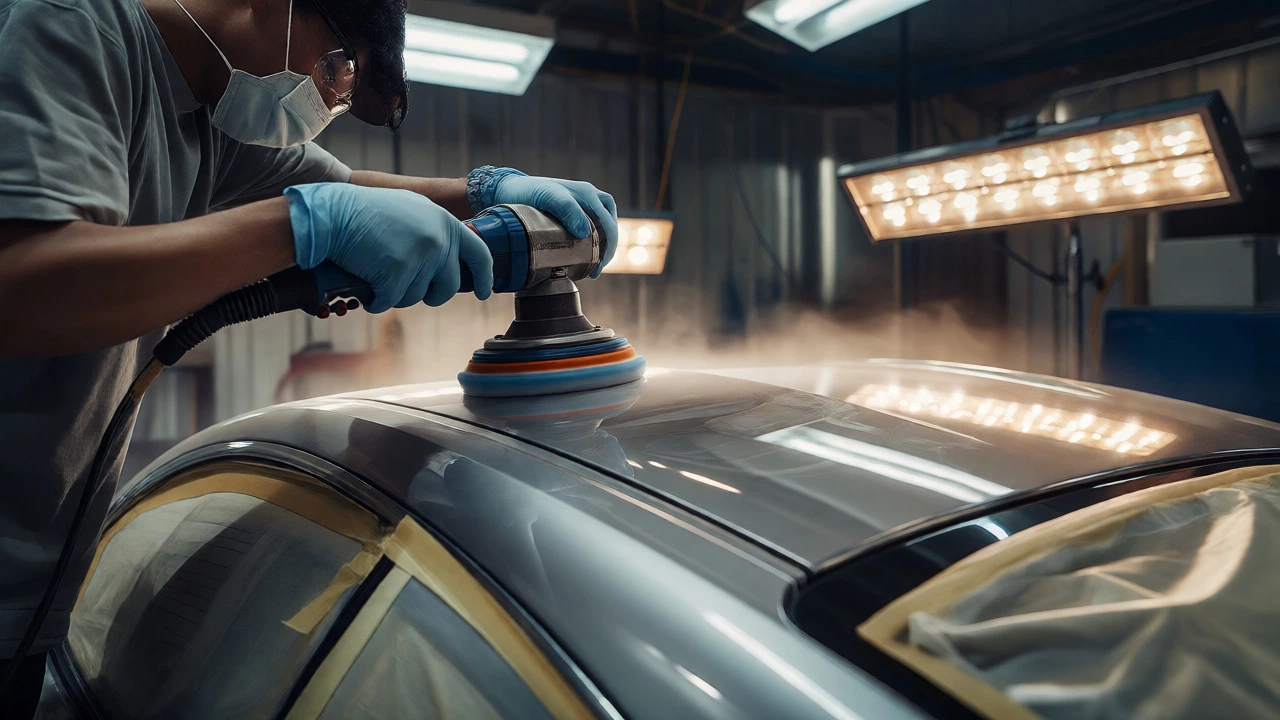
A full correction job often spans a whole weekend. If you’re using a dual-action polisher, you’re looking at 8 to 12 hours minimum. Here’s why it takes so long:
- Machine Polishing (2-4 hours): You can’t polish the whole car at once. You work in 2x2 foot sections. One pass with cutting compound, one pass with finishing polish. For an average-sized car, that’s 20-30 sections per stage.
- Curing Time (1-2 hours): Sealants and ceramic coatings need time to cure before buffing off. You can’t rush this.
- Engine Bay Cleaning (1 hour): Degreasing, brushing, and drying sensitive electrical components.
- Headlight Restoration (1 hour): Sanding, polishing, and sealing lenses.
- Trim Revitalization (1 hour): Fading plastic trim needs dye or coating, which requires masking and precise application.
One critical mistake beginners make is skipping the inspection phase. Before you start polishing, you need to wash, decontaminate, and inspect the paint under good lighting. Marking swirls with tape takes 30 minutes but saves you from missing spots later.
Factors That Change Your Timeline
Your car’s size and condition dictate the clock more than your speed does. Here’s how to adjust your expectations.
Vehicle Size Matters
Surface area equals time. A small Mazda 2 will take significantly less time than a Toyota Land Cruiser Prado.
- Small Cars/Hatchbacks: Subtract 20% from standard times.
- Sedans/Crossovers: These are the baseline.
- SUVs/Trucks: Add 30-50%. More surface area, higher reach requirements, larger wheels.
- Vans/Buses: Double the time. Just getting into the back cargo area can be a workout.
Current Condition
A car washed weekly takes half the time of one that hasn’t been touched in six months. Heavy brake dust on wheels can double wheel cleaning time. Pet hair in upholstery? Budget an extra hour for lint rollers and vacuum attachments.
Weather and Environment
Living in Melbourne means dealing with unpredictable weather. If you’re washing outside, direct sunlight causes soap and water to spot-dry before you can wipe them off. You’ll spend extra time re-washing spots. Ideally, work in shade or early morning. Rain during the curing phase of a sealant ruins the job, forcing a redo.
Tool Efficiency
Hand-washing vs. machine polishing is the biggest time-saver. Hand-applying wax takes twice as long as using a DA polisher. However, hand-washing is safer for novices. If you buy a high-quality cordless pressure washer, you cut rinsing time by half compared to a garden hose.
Common Time Traps to Avoid
Even experienced detailers lose track of time. Watch out for these pitfalls.
Over-complicating the Interior: Trying to remove every stain from fabric seats can consume hours. Use a steam cleaner for efficiency. If a stain doesn’t lift in three tries, accept it or replace the cover. Don’t let perfectionism kill your momentum.
Fighting Rusty Bolts: If you’re removing badges or emblems to clean underneath, use heat gun carefully. Frozen clips break easily, leading to replacement part hunts mid-detail.
Product Layering Confusion: Applying multiple layers of ceramic coating incorrectly means stripping and starting over. Read the label. Most consumer-grade ceramic sprays need only one coat.
Neglecting Prep: Skipping the pre-wash leads to scratching during the contact wash. Fixing those scratches later takes way longer than spending 10 minutes foaming first.
How to Speed Up Without Sacrificing Quality
You don’t need to sacrifice results for speed. Smart workflow changes save time.
- Work Top to Bottom: Gravity is your friend. Wash the roof first, then windows, then body panels, then skirts, then wheels last. Wheels are the dirtiest; doing them first contaminates your towels.
- Use a Blow Dryer: Instead of wiping every crevice with a towel, use a leaf blower or dedicated car dryer. It clears water from door handles, mirrors, and grilles instantly.
- Multitask Cures: While your interior cleaner dwells on stains, go outside and apply tire shine. While wax cures on the hood, vacuum the trunk.
- Invest in Good Lighting: Using a LED light bar helps you see missed spots immediately, preventing rework.
Real-World Example: Weekend Project
Let’s say you have a 2020 Hyundai Tucson parked in Melbourne suburbs. It has moderate road film, some brake dust, and dusty carpets. You want a deep clean but no paint correction.
- 8:00 AM: Start with wheels and arches. Soak them while you prep the rest.
- 8:30 AM: Snow foam the car. Let it sit.
- 9:00 AM: Contact wash. Rinse.
- 9:45 AM: Iron remover and clay bar. This takes patience.
- 10:45 AM: Dry thoroughly. Inspect paint.
- 11:15 AM: Apply synthetic sealant. Work in panels.
- 12:00 PM: Lunch break. Let sealant cure.
- 1:00 PM: Buff off sealant.
- 1:30 PM: Move inside. Vacuum, wipe dash, clean glass.
- 2:30 PM: Final touches: trim dressing, exhaust tips.
- 3:00 PM: Done.
Total time: 7 hours including lunch. That’s a solid day’s work for a dramatic improvement.
Frequently Asked Questions
Is it faster to detail a car in summer or winter?
Summer is generally faster because products dry quicker and visibility is better. However, direct sun causes spotting, requiring careful timing. Winter slows things down due to cold water stiffening brushes and longer drying times, but shaded garages provide consistent conditions. In Melbourne, spring offers the best balance of mild temperatures and manageable humidity.
Can I detail my car in the rain?
You can wash in light rain, but it’s inefficient. Rain leaves water spots filled with minerals. If you must, ensure you have a covered area for drying and applying products. Never apply wax or sealant outdoors if rain is imminent within the curing window (usually 24-48 hours for ceramics).
Does having a garage save time?
Yes, significantly. A garage allows you to control lighting and temperature, preventing premature product drying. You can also run extension cords safely for vacuums and polishers without worrying about trip hazards or water splashes. Expect to save 30-60 minutes on any detailed job by working indoors.
How often should I do a full detail?
For most drivers, a full detail every 3-6 months is sufficient. Regular maintenance washes every 2 weeks keep the car clean between details. If you park outside daily or drive on unpaved roads, increase frequency to monthly.
What if I run out of time halfway through?
Stop cleanly. Finish the current section (e.g., complete one panel of wax). Rinse off any remaining chemicals to prevent staining. Cover the car with a breathable cover if stopping overnight. Do not leave wet towels on paint, as they can trap moisture and cause mold or water spots.