Car Detailing Profitability Calculator
Estimate the financial viability of your detailing business by inputting your pricing, time spent, and overhead costs.
Annual Projection
Jobs per week:
Working weeks/year:
Projected Annual Net: $0
Ever watched a car detailer spend six hours on one sedan and wondered if they’re actually making a living? It looks like expensive soap and water, but the math behind it is surprisingly tight. You might think you just buy a bucket and some wax, but turning that into a sustainable income requires treating it like a real business, not just a weekend hobby.
The Reality of Hourly Rates vs. Flat Fees
Most new detailers make the mistake of charging by the hour. If you charge $50 an hour and take eight hours to do a basic clean, you’re making $400. That sounds great until you realize you spent two hours driving, setting up, and packing down. Your actual working time was six hours, so your effective rate dropped to $33. In Melbourne’s competitive market, experienced pros often move away from hourly billing entirely. They use flat-rate packages based on vehicle size and condition. A small hatchback isn’t the same job as a lifted Ford Ranger. Charging flat rates protects your margin when a car takes longer than expected due to unexpected tar spots or pet hair embedded in the fabric.
| Service Package | Small Vehicle (Hatch/Sedan) | Large Vehicle (SUV/Ute) | Time Estimate |
|---|---|---|---|
| Express Wash & Interior Vac | $80 - $120 | $120 - $160 | 1 - 1.5 Hours |
| Standard Full Detail | $250 - $350 | $350 - $500 | 3 - 4 Hours |
| Premium Paint Correction | $600 - $900 | $900 - $1,400 | 6 - 10 Hours |
| Ceramic Coating Add-on | + $300 - $500 | + $400 - $700 | + 1 - 2 Hours |
Mobile Detailing: The Low-Overhead Winner
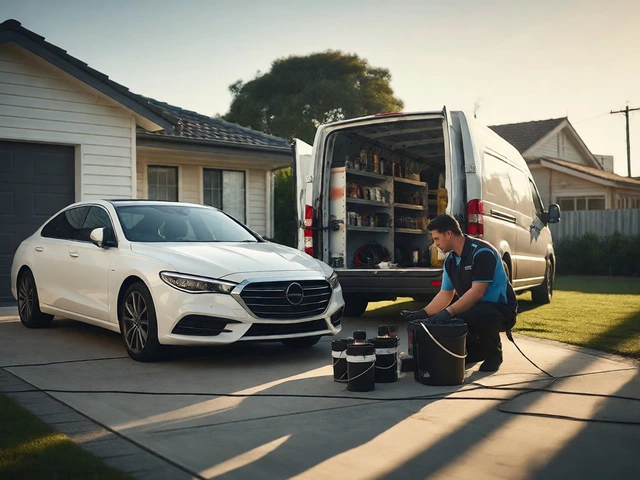
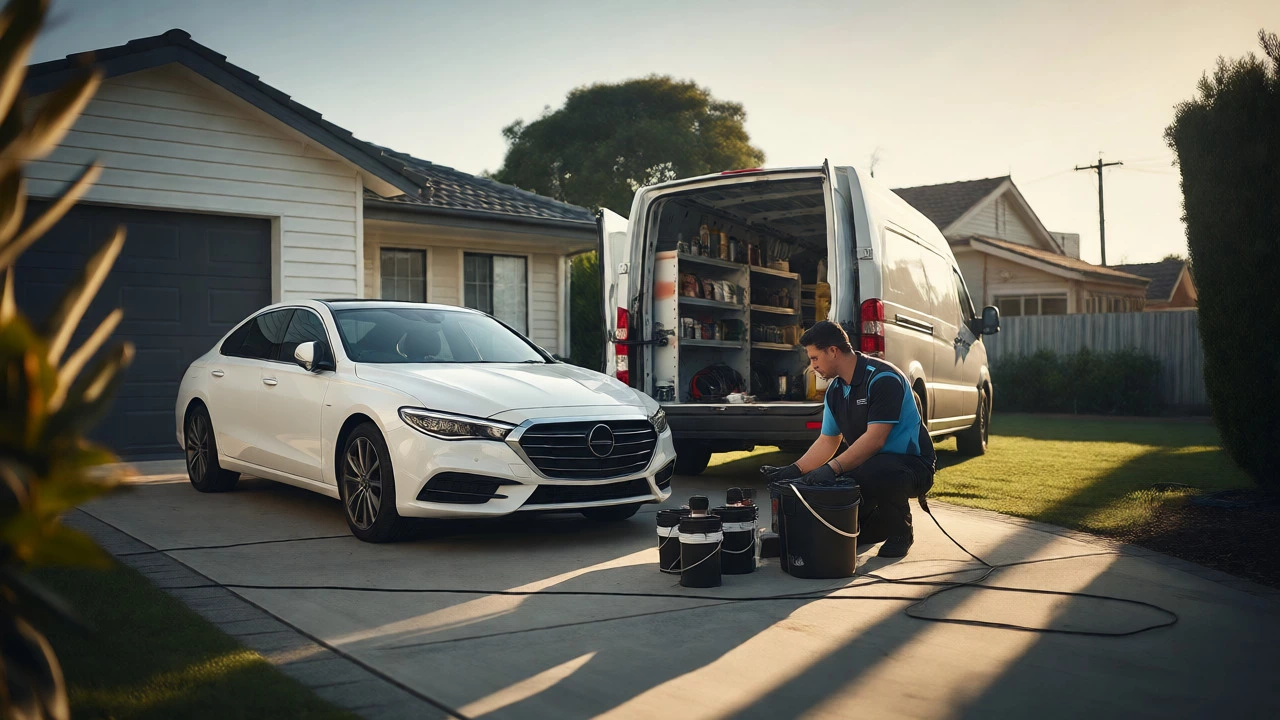
Why are so many people starting with mobile setups instead of renting a shop? Overhead kills profits. A physical shop needs rent, utilities, insurance, and staff even when no cars are coming in. Mobile detailing cuts out the rent check. You drive to the client’s driveway or office parking lot. This model allows you to keep more of what you earn. However, fuel costs and vehicle maintenance become your new fixed expenses. To make money here, efficiency is key. Grouping appointments geographically saves you from crossing the entire city for a single $100 wash. Tools like route optimization apps aren’t just nice-to-haves; they directly impact your bottom line by reducing dead miles.
Upselling High-Margin Services
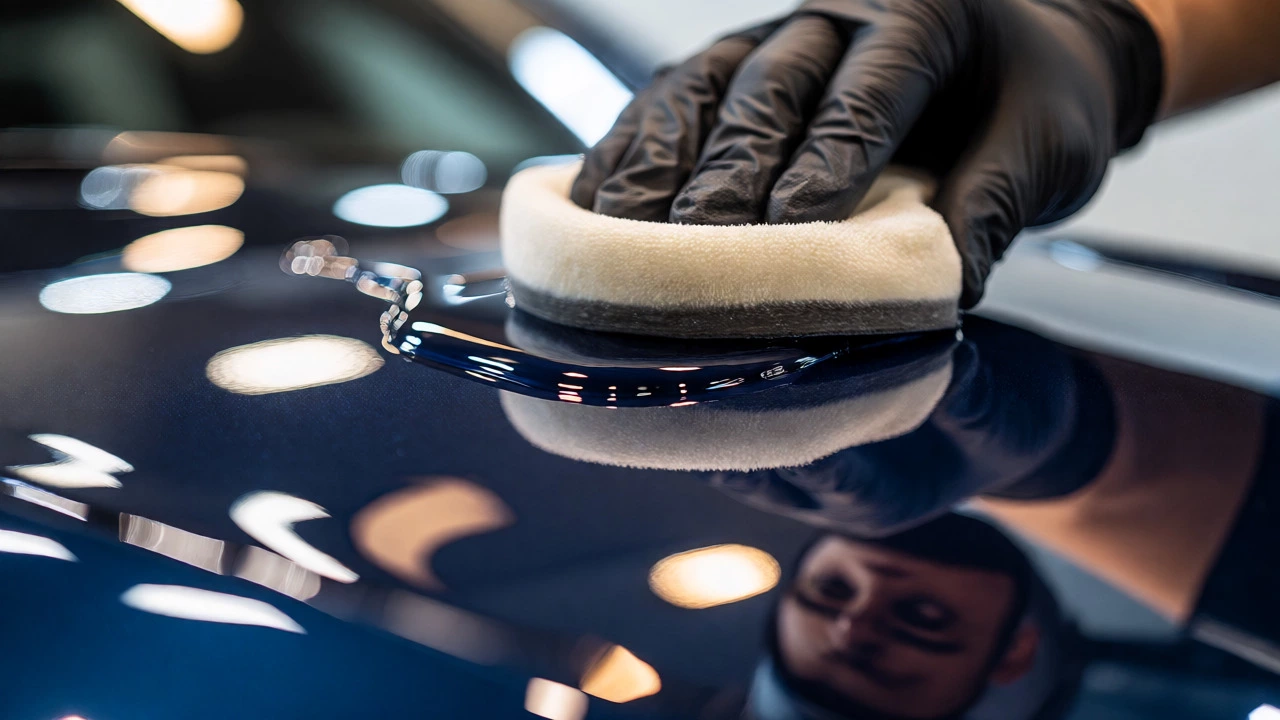
A basic wash barely covers your gas and labor. The real money is in add-ons. When a customer books a standard detail, they are already committed. This is the perfect moment to offer high-margin extras. Ceramic coating is a prime example. Applying a coating adds maybe 90 minutes to the job, but you can charge hundreds of dollars extra because it offers long-term protection. Similarly, interior steam cleaning or headlight restoration takes minimal product cost but commands a premium price because customers see immediate visual results. These services increase the average ticket size without significantly increasing the time you spend on site.
- Headlight Restoration: Costs $10 in materials, sells for $80-$150.
- Engine Bay Cleaning: Adds $50-$100, takes 20 minutes.
- Leather Conditioning: Upsell during any interior clean for $40.
- Water Spot Removal: Critical for hard-water areas, charges $50-$100.
Product Costs and Consumables
You need to track every milliliter of shampoo and every microfiber towel. Many beginners underestimate consumable costs. A high-quality car detailing kit might cost $500 upfront, but it doesn’t last forever. Shampoos, degreasers, tire dressings, and IPA solutions add up. Aim to keep product costs under 15% of your total revenue. If a $300 job uses $60 worth of chemicals and towels, you’re losing money after tax and fuel. Buy in bulk where possible, but don’t overstock perishable items. Also, factor in equipment depreciation. Polishers, vacuums, and extractors wear out. Set aside a portion of each payment for equipment replacement. If your polisher breaks down next month, will you have the cash to replace it?
Marketing and Client Retention
Getting new clients is expensive. Retaining them is cheap. Word-of-mouth is powerful, but you need a system. Use before-and-after photos on social media-Instagram and Facebook groups in local suburbs work wonders. But the real trick is recurring revenue. Offer subscription models. For example, a monthly maintenance wash package ensures steady cash flow. If you have 20 regulars paying $100 a month, that’s $2,000 guaranteed income before you sell a single premium detail. Loyalty programs also help. Give a free engine bay clean after five full details. It costs you little but keeps the customer coming back rather than trying the cheaper guy down the road.
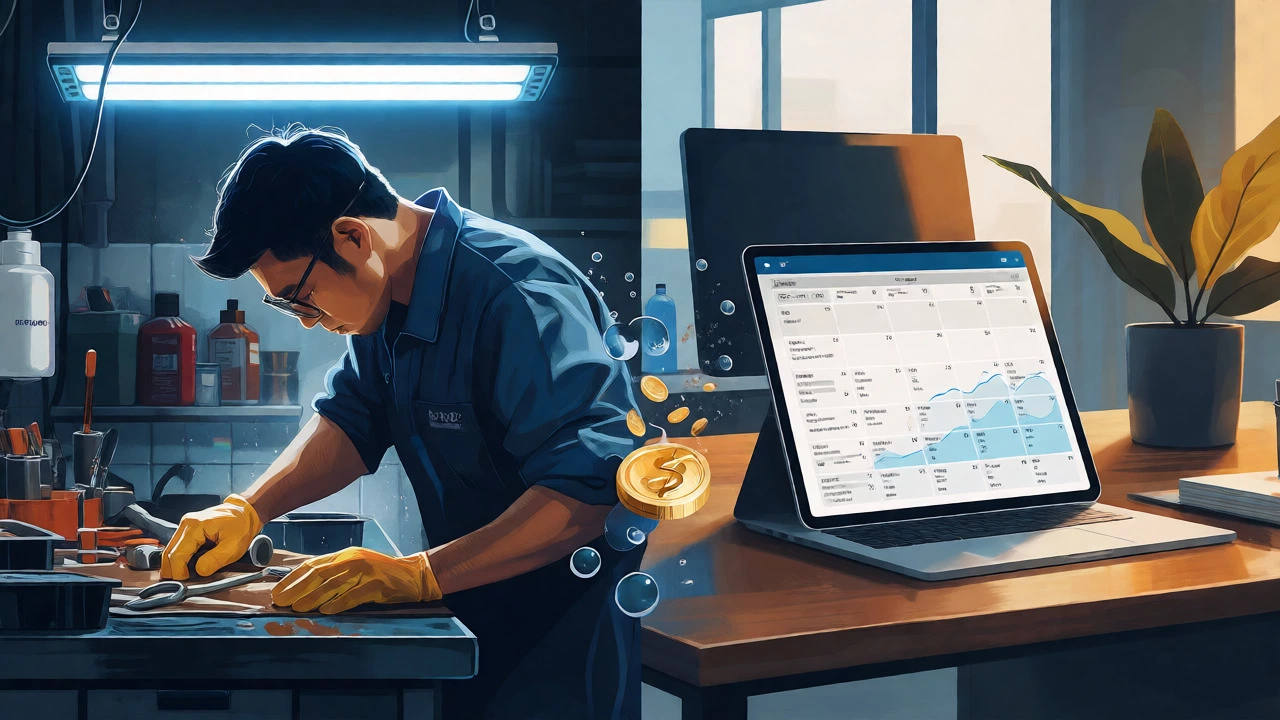
Taxes, Insurance, and Legalities
Don’t ignore the boring stuff. In Australia, you need appropriate liability insurance. One slip on a wet driveway could mean a lawsuit. Registering for GST once you hit the turnover threshold is mandatory. Keep strict records of all expenses. Fuel, tolls, chemical purchases, and even part of your home internet bill if you manage bookings online, can be claimed as deductions. Failing to separate personal and business finances leads to messy tax seasons. Open a dedicated business bank account immediately. Every dollar that goes through that account is tracked. This clarity helps you see which services are actually profitable and which ones are just busy work.
Scaling Beyond Solo Work
There’s a ceiling to how much you can earn alone. You only have two hands. Once you’re booked out, you have to choose: raise prices or hire help. Hiring introduces complexity-training, payroll, quality control. Many successful detailers start by raising prices for existing clients to filter out low-value jobs, then slowly bring on apprentices for the grunt work like wheel cleaning and vacuuming. This frees you up to handle the complex paint correction and client communication. Remember, your goal isn’t just to wash cars; it’s to build a brand that people trust with their expensive vehicles.
Is mobile detailing profitable compared to having a shop?
Yes, for most solo operators, mobile detailing is more profitable initially because overheads are significantly lower. You avoid rent and high utility bills. However, scaling beyond one person becomes harder without a central location, as managing multiple mobile vans increases logistical complexity and fuel costs.
How much should I charge for a full car detail in Australia?
In 2026, a standard full detail for a sedan typically ranges between $250 and $400 AUD, depending on the suburb and vehicle condition. SUVs and larger vehicles command higher prices, often exceeding $500. Always quote based on the specific condition of the car rather than a fixed menu price to protect your margins.
What are the biggest hidden costs in car detailing?
The biggest hidden costs are travel time, fuel, equipment depreciation, and consumables like microfiber towels and chemicals. Beginners often forget to account for the time spent driving to and from jobs, which effectively lowers their hourly rate. Equipment wear and tear also accumulates quickly and must be budgeted for.
Do I need certification to start a detailing business?
Legally, no. There is no mandatory government license specifically for car detailing in Australia. However, obtaining certifications from reputable training providers can justify higher prices and build customer trust. It demonstrates expertise, especially for advanced services like paint correction and ceramic coatings.
How can I get my first clients?
Start locally. Offer discounted services to friends and family in exchange for reviews and photos. Join local community Facebook groups and post your before-and-after results. Partnering with local real estate agents who need cars cleaned for open houses can also provide a steady stream of initial work.