
Lowering Springs Suitability Checker
Answer the questions below to see if simple lowering springs are a good fit for your specific situation.
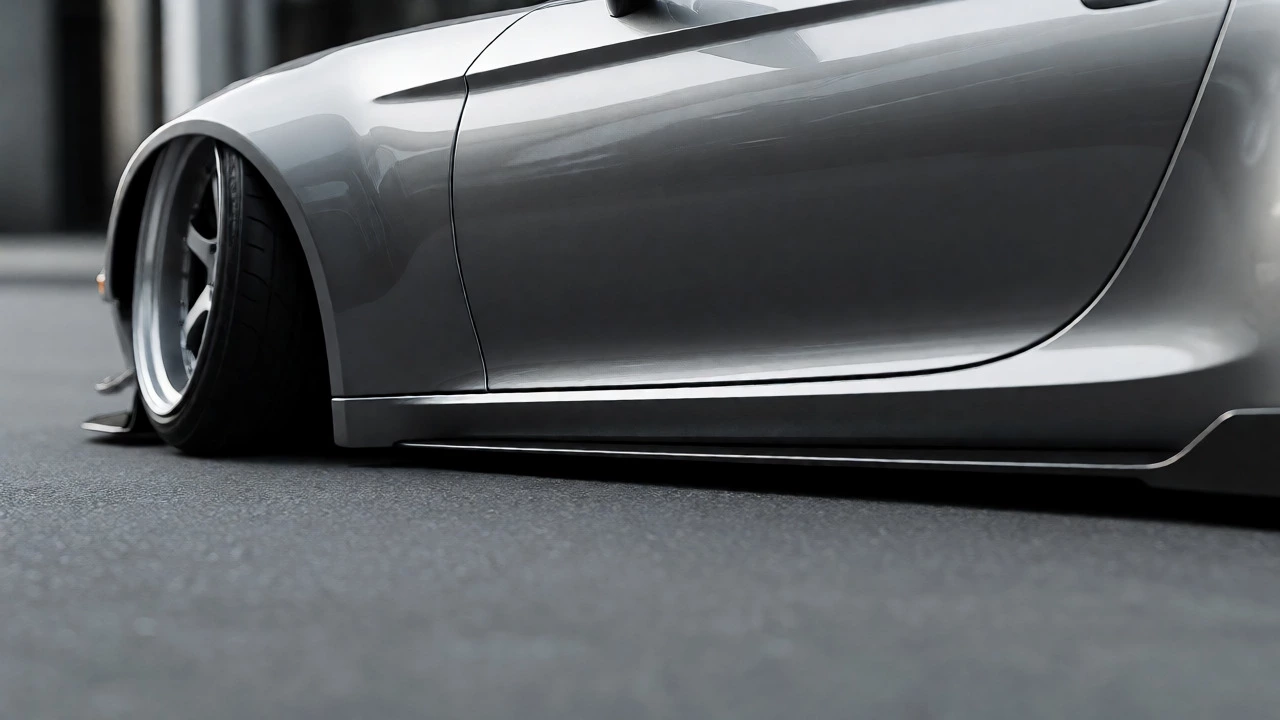
You want your car to sit lower. It looks aggressive, it feels planted in corners, and honestly, that factory stance just doesn't cut it anymore. So you hit the search bar, see a set of lowering springs for $200, and think, "Why not just swap these out and call it a day?" It’s the most common question in enthusiast forums. Can you just use them? Technically, yes. Practically? It depends entirely on what you value more: budget or longevity.
Let's be real: swapping springs is cheap, fast, and gives instant visual gratification. But cars are complex machines where one change ripples through everything else. If you ignore those ripples, you might end up with a bouncy mess that destroys your tires faster than you can say "alignment." Here is exactly what happens when you drop your car on simple springs, who should do it, and when you really need to spend more.
The Quick Verdict: When Is It Okay?
| Your Situation | Verdict | Why |
|---|---|---|
| Daily driver, good roads, mild drop (1-1.5") | Yes | Cheap aesthetic upgrade; acceptable wear if aligned properly. |
| Track car / spirited driving | No | Springs alone lack damping control; body roll will kill grip. |
| Older car with worn shocks | No | New stiff springs will destroy old shocks immediately. |
| Want adjustable ride height | No | Springs are fixed height; you cannot tweak clearance later. |
| Low budget (<$300 total) | Maybe | Only if you keep stock shocks and accept harsher ride. |
What Actually Happens When You Swap Springs?
When you replace stock coil springs with lowering springs, you are changing two main things: the physical height of the car and the spring rate (stiffness). Most lowering springs have a higher spring rate than stock. This means they resist compression more. On paper, this sounds great-less body roll, sharper turn-in. In reality, without matching dampers, this stiffness turns into a trampoline effect.
Your factory shock absorbers (or struts) are tuned specifically for the softness of stock springs. They are designed to dissipate energy at a specific speed. When you install stiffer springs, the shock tries to control a heavier load moving faster than it was calibrated for. The result? The wheel bounces over bumps instead of staying glued to the road. You lose traction because the tire isn't maintaining constant contact pressure.
The Hidden Costs Nobody Tells You About
Buying the springs is only half the battle. If you skip the supporting modifications, you pay for it elsewhere. Here is the realistic bill for doing it right versus doing it cheap.
- Alignment: Dropping a car changes the geometry of the suspension arms. Camber and toe go out of spec. If you don't get a professional alignment immediately, your inner tires will eat themselves within 3,000 miles. Cost: $80-$150.
- Shocks/Struts: If your current shocks have over 40,000 miles on them, new springs will likely blow them out within months. Replacing all four shocks adds $300-$600 to the project.
- Ride Quality: Expect potholes to feel like speed bumps. Speed bumps will feel like jumps. Your passengers will notice. If you have back pain, prepare for discomfort.
- Clearance Issues: A 1-inch drop seems small until you hit a steep driveway ramp. Scraping the front lip or rear bumper becomes part of your daily routine. Some people buy rubber ramps ($20) just to navigate parking garages.

Lowering Springs vs. Coilovers: The Real Comparison
People often ask, "Should I just save up for coilovers?" This is the classic dilemma. Coilovers allow you to adjust both height and damping stiffness. Lowering springs are a static solution.
| Feature | Lowering Springs | Entry-Level Coilovers |
|---|---|---|
| Initial Cost | $150 - $300 | $600 - $900 |
| Installation Complexity | Low (Spring swap) | Medium (Full strut replacement) |
| Adjustability | None (Fixed height) | Height & Damping (usually) |
| Ride Comfort | Firmer than stock | Variable (can be softer) |
| Longevity | Good (if shocks replaced) | Mixed (cheap ones leak fast) |
| Best For | Stance, street use | Track days, tuners |
If you plan to track your car or want to fine-tune your setup as you learn about handling, coilovers offer better long-term value despite the higher upfront cost. However, if you just want the car to look cool at meets and drive comfortably on smooth highways, springs are perfectly adequate.
How to Do It Right: A Step-by-Step Checklist
If you decide to go ahead with lowering springs, follow these steps to avoid regretting the purchase six months later.
- Check Shock Health: Before removing anything, bounce each corner of the car. If it bounces more than once, your shocks are dead. Budget for replacements now.
- Choose Quality Brands: Stick to reputable manufacturers like Eibach, H&R, or Tein. Cheap no-name springs often sag after a year, leaving you with an uneven stance.
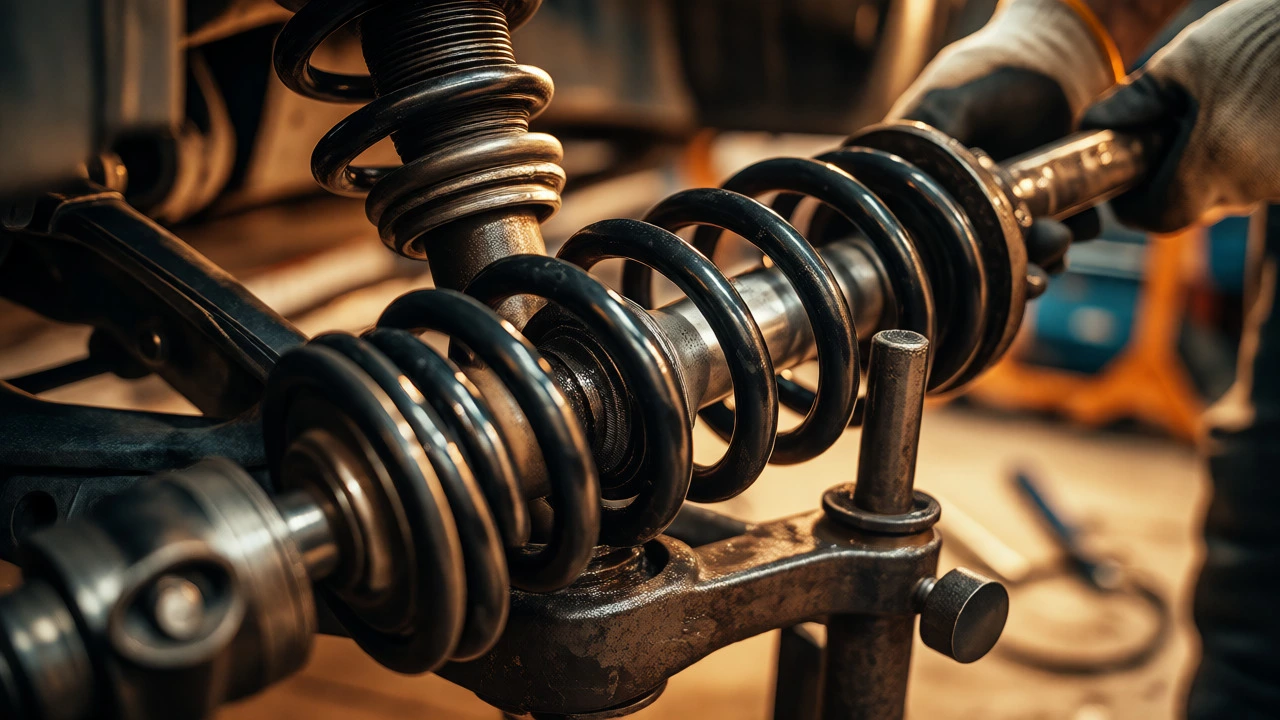
- Use Spring Compressors Safely: If you are DIY-ing this, spring compressors are dangerous tools. Ensure they are rated for the spring load. Never work under a compressed spring without safety cables.
- Replace Rubber Bushings: While the suspension is apart, inspect the control arm bushings. Old, cracked bushings will cause clunking noises once the stiffer springs put extra stress on them.
- Get an Alignment Immediately: Do not drive 500 miles before aligning. Drive straight to the shop. Ask for a performance alignment focusing on camber correction.
Common Pitfalls to Avoid
Most failures come from ignoring the interaction between components. One major issue is bottoming out. Lowering springs reduce travel distance. If you hit a large dip, the suspension hits its limit instantly. This transmits force directly to the chassis, causing rattles and potential damage to subframe mounts.
Another trap is mixing brands incorrectly. While some cross-compatibility exists, using a spring designed for a different damper stroke length can cause binding or premature failure. Always check the manufacturer's compatibility chart for your specific model year and trim level.
Final Thoughts: Is It Worth It?
Can you just use lowering springs? Yes, if you treat them as a cosmetic upgrade rather than a performance fix. They provide a sleek look and modest handling improvements for a fraction of the cost of full suspension kits. But they demand respect. You must account for alignment costs, potential shock replacement, and reduced comfort.
If your goal is pure aesthetics and you have healthy shocks, go for it. If you want serious performance gains or adjustable stance, wait for coilovers. There is no shame in starting with springs-they are reversible, affordable, and a great first step into suspension tuning.
Will lowering springs void my warranty?
It depends on your local laws and dealer policy. In many regions, aftermarket parts do not automatically void the entire vehicle warranty. However, if the springs cause damage to related components (like broken control arms or blown shocks), the dealer may deny claims for those specific repairs. Keep receipts and installation records to prove proper fitment.
How much does a lowering spring installation cost?
If you do it yourself, labor is free, but you need tools (spring compressors, jack stands). Professional installation typically ranges from $150 to $300 depending on the shop rates and whether struts need to be disassembled. Remember to add $80-$150 for a mandatory alignment.
Do lowering springs make the ride uncomfortable?
Yes, usually. Because lowering springs are stiffer than stock, they transmit more road imperfections to the cabin. High-quality progressive-rate springs mitigate this somewhat, but you will still feel potholes and rough pavement more distinctly than with the factory setup.
Can I reuse my stock shocks with lowering springs?
You can, but it is risky. Stock shocks are tuned for softer springs. Using them with stiffer lowering springs causes them to work harder, leading to overheating and early failure. If your car has fewer than 30,000 miles, you might get away with it. For older cars, replacing shocks is highly recommended.
Will lowering springs affect my headlights?
Yes. Dropping the car changes the angle of your headlights. Without adjustment, you might blind oncoming drivers by pointing lights too high, or fail inspection if they point too low. Most modern cars allow headlight aim adjustment via screws or electronic menus. Check this after installation.