Car Detailing Cost & Risk Estimator
Professional Detailing
Includes labor, insurance, premium products, and warranty.
Low
Professionals carry liability insurance and have experience to mitigate damage risks.
- ✔ Time saved: hours/year
- ✔ No equipment storage needed
- ✔ Proper chemical disposal
DIY Detailing
Initial kit purchase + ongoing supplies + time investment.
Moderate
Risk of swirl marks, burn-through, or improper chemical handling increases with inexperience.
- ✘ Time required: hours/year
- ✘ Equipment storage & maintenance
- ✘ Environmental runoff responsibility
You’ve seen the before-and-after photos. The swirl marks vanish, the black tires look wet, and the interior smells like fresh pine. It’s tempting to think that car detailing is a magic wand for automotive neglect. But here is the hard truth: detailing is not just about making things shiny. It is an aggressive process that involves chemicals, abrasives, and mechanical force applied to your vehicle's most vulnerable surfaces.
While the results can be stunning, there are genuine downsides to both professional detailing and using car detailing kits at home. From the risk of stripping protective wax layers to the potential for irreversible paint damage, understanding these drawbacks is crucial before you hand over your keys or buy that expensive bucket of supplies.
The Financial Reality: Why It Hurts Your Wallet
The most immediate disadvantage of car detailing is the cost. Unlike a standard car wash, which might set you back $15-$20, a full professional detail can range from $150 for a basic exterior package to over $800 for a multi-stage paint correction and ceramic coating application. This isn’t a one-time fee either. To maintain that showroom look, you need regular maintenance washes and periodic re-application of sealants.
If you opt for the DIY route with a comprehensive detailing kit, the initial investment is still significant. A quality kit includes microfiber towels, clay bars, iron removers, pH-neutral shampoos, polishers, pads, and compounds. Buying reputable brands rather than cheap gas station alternatives will easily cost you $200-$400 upfront. And let’s be honest-most people don’t have the space or time to store this equipment properly. Dust settles on open bottles, and sponges degrade if left in humid garages, leading to wasted money.
| Expense Category | Professional Detail | DIY Detailing Kit |
|---|---|---|
| Initial Cost | $150 - $800+ | $200 - $400 (one-time) |
| Ongoing Maintenance | $30 - $60 per session | $10 - $20 per month (supplies) |
| Time Investment | 0 hours (you wait) | 3 - 6 hours per detail |
| Equipment Storage | Not required | Required (space & climate control) |
Risk of Paint Damage: Swirls, Scratches, and Burn-Through
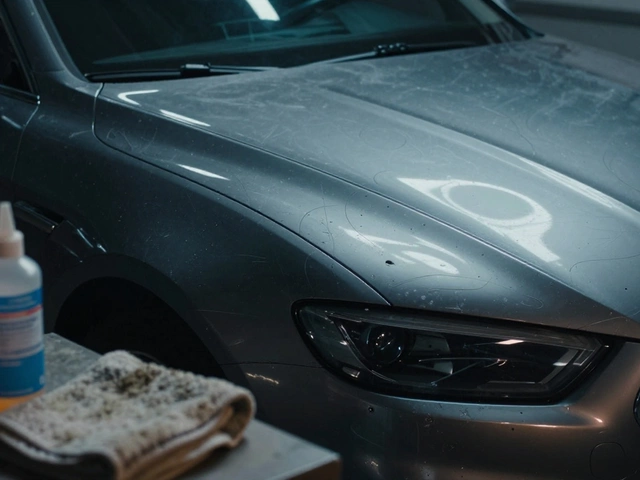
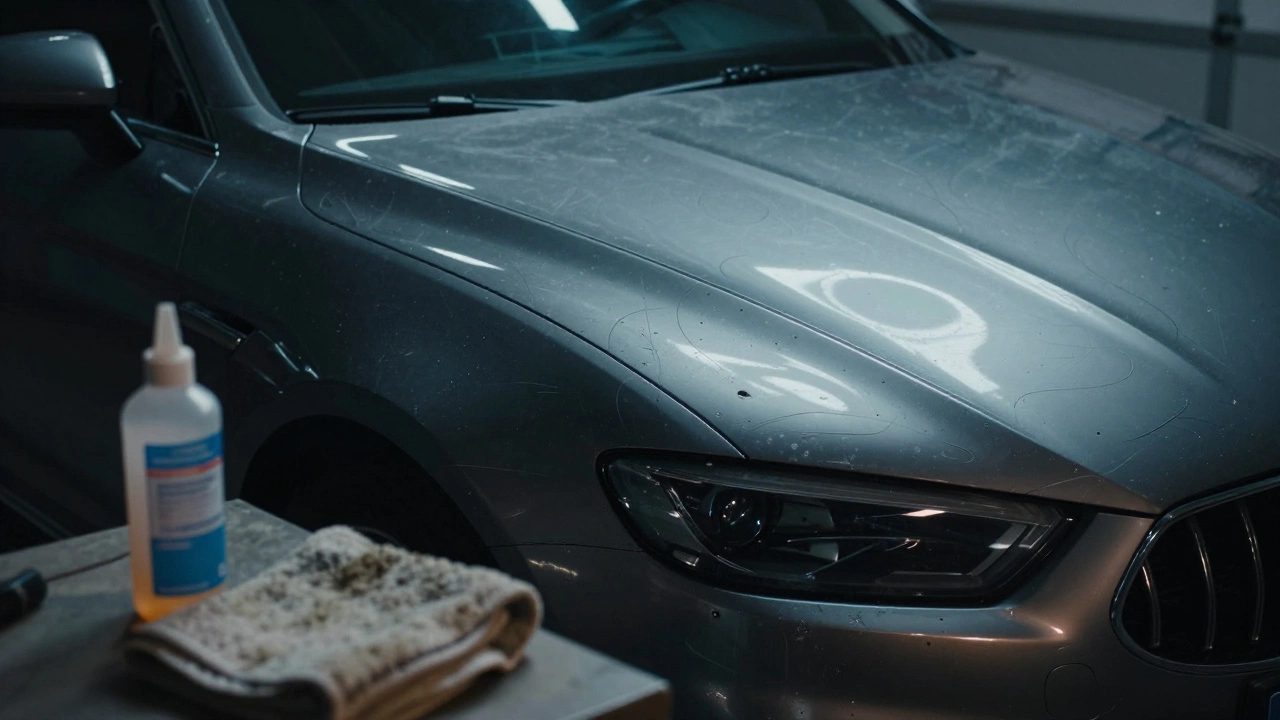
This is where the stakes get high. Detailing involves removing contaminants and leveling the clear coat. If done incorrectly, you aren’t cleaning the car; you’re damaging it. One of the biggest disadvantages of amateur detailing is the creation of swirl marks. These are fine circular scratches caused by using dirty towels, incorrect washing techniques, or aggressive polishing without proper lubrication.
When using a dual-action polisher, which is common in serious detailing kits, there is a risk of "burn-through." This happens when the abrasive compound removes too much clear coat, exposing the base color or primer. Once the clear coat is gone, no amount of wax will save it. You’ll need a repaint job, which costs thousands. Even professionals make mistakes, but they have insurance and experience to mitigate these risks. As a DIYer, you bear the full brunt of any error.
Furthermore, improper use of clay bars can embed contaminants deeper into the paint if not lubricated correctly. Many beginners skip the lubrication step to save time, resulting in microscopic scratches that only appear under direct sunlight. What starts as a clean car can end up looking worse than when you started.
Chemical Hazards and Environmental Impact
Detailing products are potent chemical mixtures. Iron removers contain acids to dissolve brake dust, while paint cleaners often include solvents to strip old waxes. Handling these substances requires care. Skin irritation, respiratory issues from inhaling fumes in enclosed spaces, and eye injuries are real risks if you don’t wear gloves and eye protection.
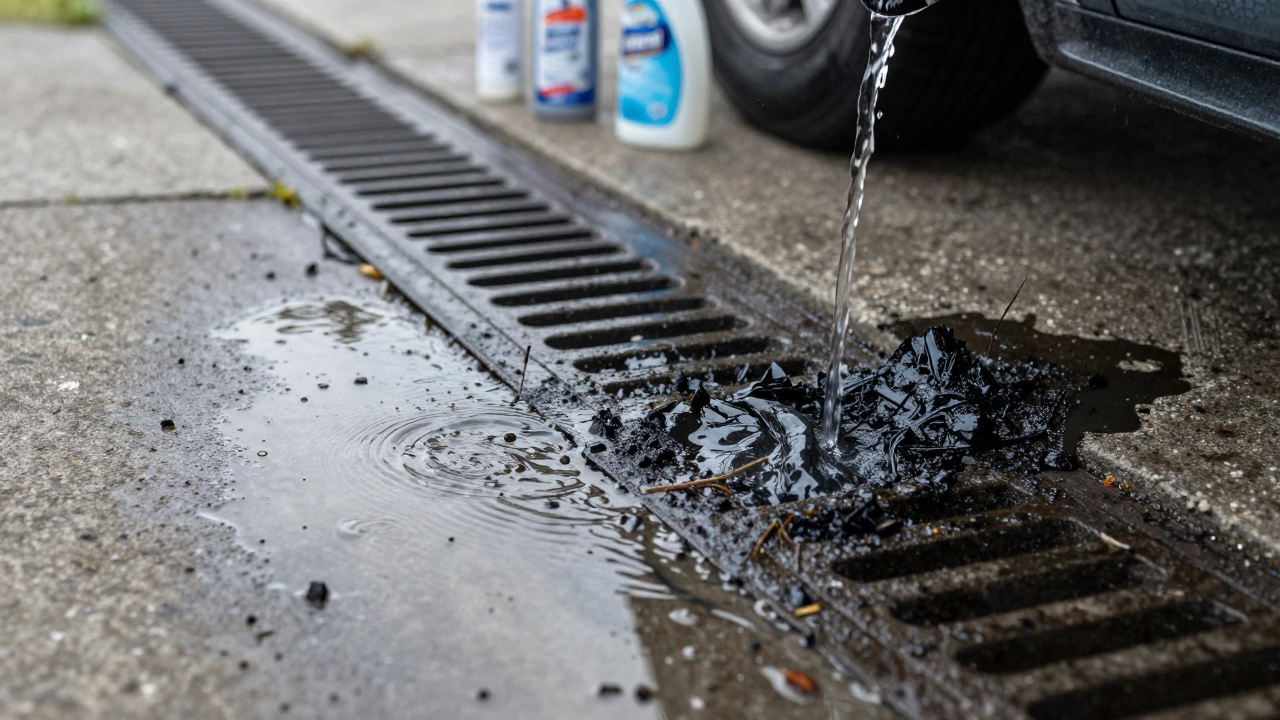
There is also the environmental angle. When you detail at home, runoff water containing oils, grease, heavy metals, and chemicals flows directly into storm drains and local waterways unless you use biodegradable products and capture the waste. In many regions, including parts of Australia, dumping these chemicals into the ground is illegal. Professional detailers have containment systems, but homeowners often lack them. This makes eco-friendly detailing more complex and sometimes less effective than harsher chemical alternatives.
Time Consumption and Physical Effort
Let’s talk about the sweat equity. A proper detail isn’t a quick rinse. It involves pre-washing, two-bucket washing, claying, decontamination, polishing, protecting, and interior deep cleaning. For a sedan, this takes 3-4 hours. For an SUV or truck, expect 5-6 hours. That’s a full day lost.
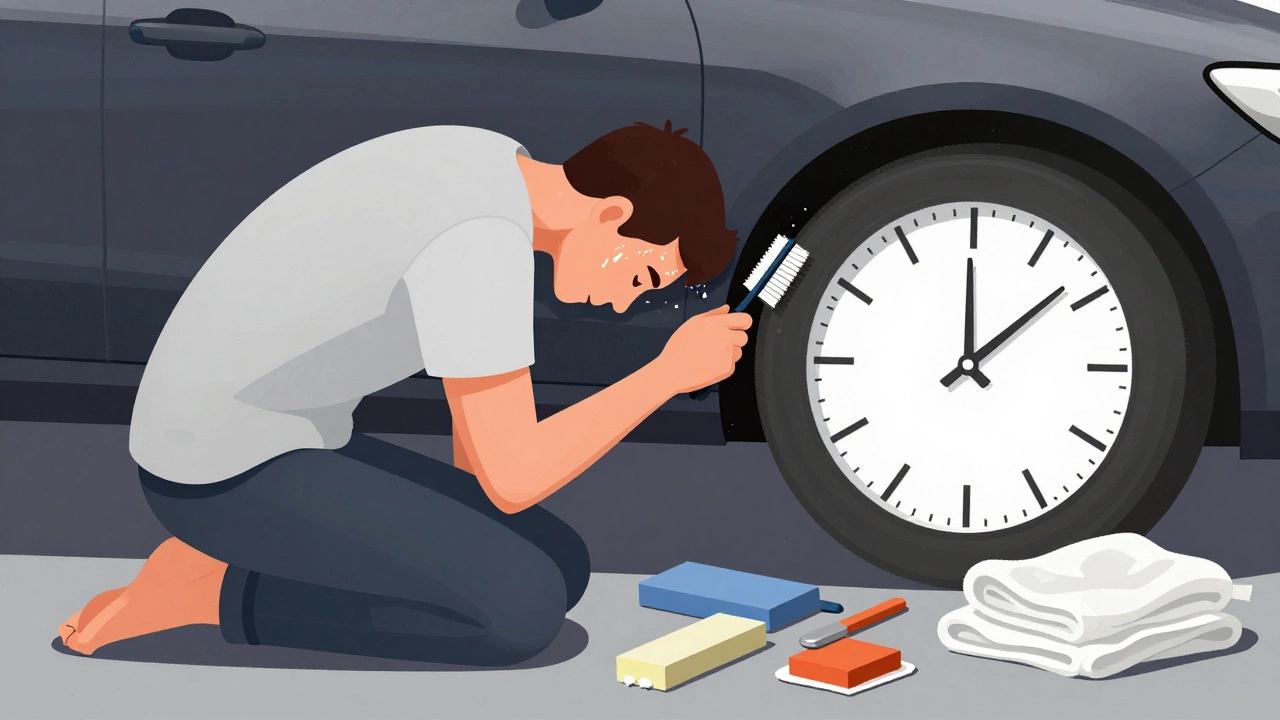
Physical strain is another factor. Kneeling to clean door jambs, reaching into tight dashboard crevices, and buffing large panels for extended periods can lead to back pain and repetitive strain injuries. Many enthusiasts start detailing their own cars with enthusiasm, only to quit after a few months because the physical toll outweighs the satisfaction. It’s not a hobby; it’s labor-intensive work.
False Sense of Security Against Rust and Wear
A common misconception is that a detailed car is protected from rust and long-term wear. While wax and sealants provide hydrophobic properties, they do not stop oxidation or rust formation on metal components exposed to salt and moisture. Ceramic coatings offer better durability but still require maintenance. Relying solely on detailing can lead to neglecting mechanical inspections. A shiny hood doesn’t mean your brakes are healthy or your suspension is intact. Owners may delay necessary repairs because the car *looks* new, masking underlying issues.
Choosing the Right Approach: Mitigating the Downsides
So, does this mean you should never detail your car? Absolutely not. The key is managing expectations and minimizing risks. If you choose DIY, invest in training. Watch tutorials from reputable sources, practice on small areas first, and buy high-quality tools. Avoid cheap kits that promise miracles-they often contain harsh abrasives that damage paint.
If you hire a professional, vet them carefully. Look for certifications from organizations like IDA (International Detailing Association) or IICRC. Ask about their insurance coverage and what products they use. Avoid mobile detailers who wash cars in driveways without proper drainage or containment.
Consider hybrid approaches. Use a professional for paint correction and ceramic coating, then maintain it yourself with gentle hand washes. This balances cost, safety, and longevity. Remember, detailing is about preservation, not just aesthetics. Treat your car with respect, and it will reward you with value and beauty.
Is car detailing bad for my paint?
No, if done correctly. Proper detailing cleans and protects paint. However, incorrect techniques like using dirty towels, excessive pressure, or wrong compounds can cause swirl marks, scratches, or clear coat burn-through. Always follow manufacturer guidelines and use appropriate lubricants.
Why is professional detailing so expensive?
Professional detailing involves skilled labor, specialized equipment, premium products, and time. Technicians undergo training to avoid damage. They also carry liability insurance. The cost reflects expertise, efficiency, and risk mitigation compared to DIY methods.
Can I detail my car myself safely?
Yes, but education is critical. Start with simple washes, learn proper drying techniques, and avoid aggressive polishing until you gain experience. Invest in quality microfiber towels, pH-neutral shampoo, and a reliable wax or sealant. Never rush the process.
What are the environmental risks of detailing?
Runoff containing oils, heavy metals, and chemicals can pollute waterways. To minimize impact, use biodegradable products, capture wastewater, and dispose of it properly according to local regulations. Avoid dumping chemicals down drains or onto soil.
How often should I detail my car?
Frequency depends on usage and environment. For daily drivers in harsh conditions, every 3-6 months is ideal. For garage-kept cars, once or twice a year suffices. Regular maintenance washes between details preserve protection and reduce contamination buildup.