Air Filter Maintenance Calculator
Calculate Your Filter's Next Cleaning
Based on real-world driving conditions in Australia. Performance filters last longer in clean environments, but dust and traffic reduce lifespan significantly.
Results will appear here...
Key Factors Affecting Filter Life
Normal Conditions: 25,000 - 35,000 km between cleanings
Dusty Conditions: Clean every 15,000 km
Urban Conditions: Up to 40,000 km but don't exceed
Replacement Threshold: 5-7 cleanings before replacement
Most people buy a performance air filter thinking it’ll give their car more power and better throttle response. And it does. But what no one tells you is that these filters don’t last forever - and if you ignore maintenance, you could be doing more harm than good. A performance air filter isn’t a "set it and forget it" part. It needs attention. So how long does it actually last? The answer isn’t simple. It depends on how you drive, where you drive, and what you do to keep it clean.
Performance Air Filters vs. Stock Filters
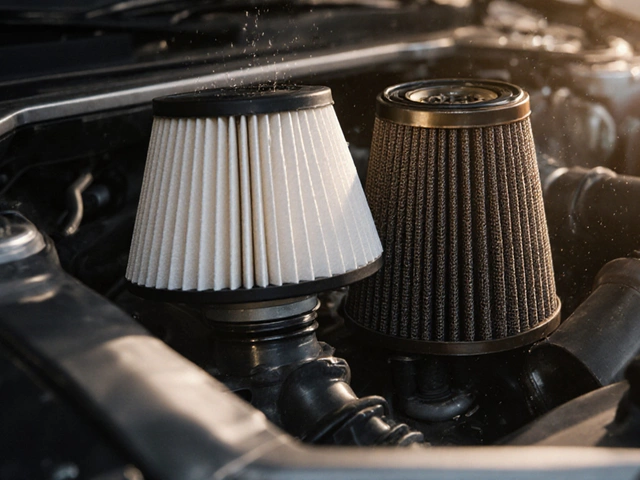
Stock air filters are made of paper. They’re cheap, disposable, and designed to trap every tiny particle. That’s great for engine protection, but they clog fast. Performance filters, like those from K&N, AEM, or Injen, are made of cotton gauze soaked in oil. They’re washable, reusable, and let more air through. That’s why they boost horsepower - but that same design makes them more vulnerable to dirt buildup over time.
Here’s the key difference: a paper filter stops dirt by blocking it. A performance filter catches dirt in its oily fibers. If you don’t clean it, that dirt builds up, blocks airflow, and kills performance gains. Worse, if the oil dries out or gets contaminated, the filter can start letting dust through - and that dust grinds up your engine.
How Long Do They Last? The Real Numbers
Manufacturers say you can go 50,000 miles before cleaning. Some even claim up to 100,000 miles. But those numbers assume ideal conditions: clean roads, dry climates, and light driving. If you live in Melbourne and drive on dirt roads, near construction sites, or in heavy traffic, those numbers are misleading.
In real-world use - especially in Australia - most drivers need to clean their performance air filter every 25,000 to 35,000 kilometers. That’s about every 18 to 24 months. If you drive in dusty areas like the Mallee, outback highways, or near unpaved tracks, clean it every 15,000 kilometers. If you live in the city with lots of traffic and pollution, you might stretch it to 40,000 kilometers - but don’t push it beyond that.
Here’s what one mechanic in Geelong told me last year: "I’ve seen more engines ruined by dirty performance filters than by bad tune-ups. People think they’re saving money by not replacing the filter. They’re not. They’re just delaying the inevitable."
Signs Your Filter Needs Cleaning
You don’t need a timer to know when it’s time. Your car will tell you.
- Sluggish acceleration: Your car feels like it’s breathing through a straw. The engine hesitates when you press the gas.
- Reduced fuel economy: You’re filling up more often without changing your driving habits.
- Check Engine light: A clogged filter can trigger a P0171 or P0174 code - lean air-fuel mixture.
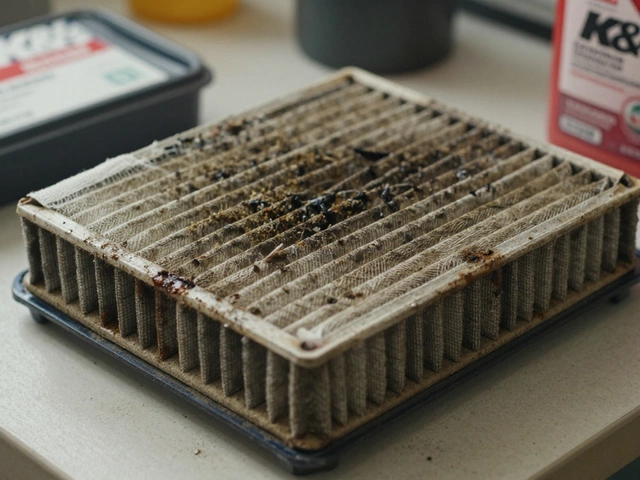
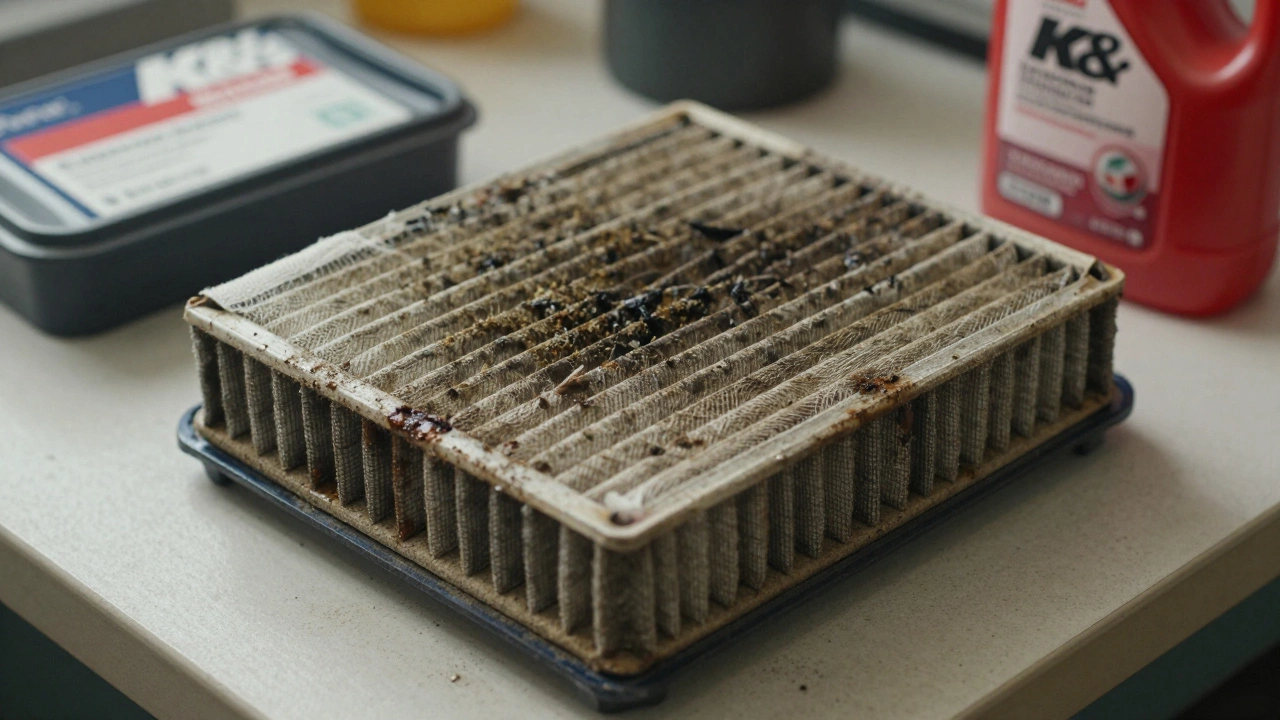
- Visible dirt: Take the filter out. If it looks dark brown or black and you can’t see light through it, it’s full.
- Oily residue on the MAF sensor: Over-oiling or old oil can migrate onto the mass airflow sensor, messing up readings.
Don’t wait for the check engine light. If you’ve driven more than 30,000 kilometers since the last clean, it’s time to inspect it - even if the car feels fine.
How to Clean a Performance Air Filter (Properly)
Don’t just rinse it with water. Don’t use dish soap. Don’t blow it out with an air compressor. You need the right kit.
- Remove the filter from the intake housing.
- Use a dedicated air filter cleaner (like K&N Recharger Kit). Spray it on both sides. Let it sit for 10 minutes.
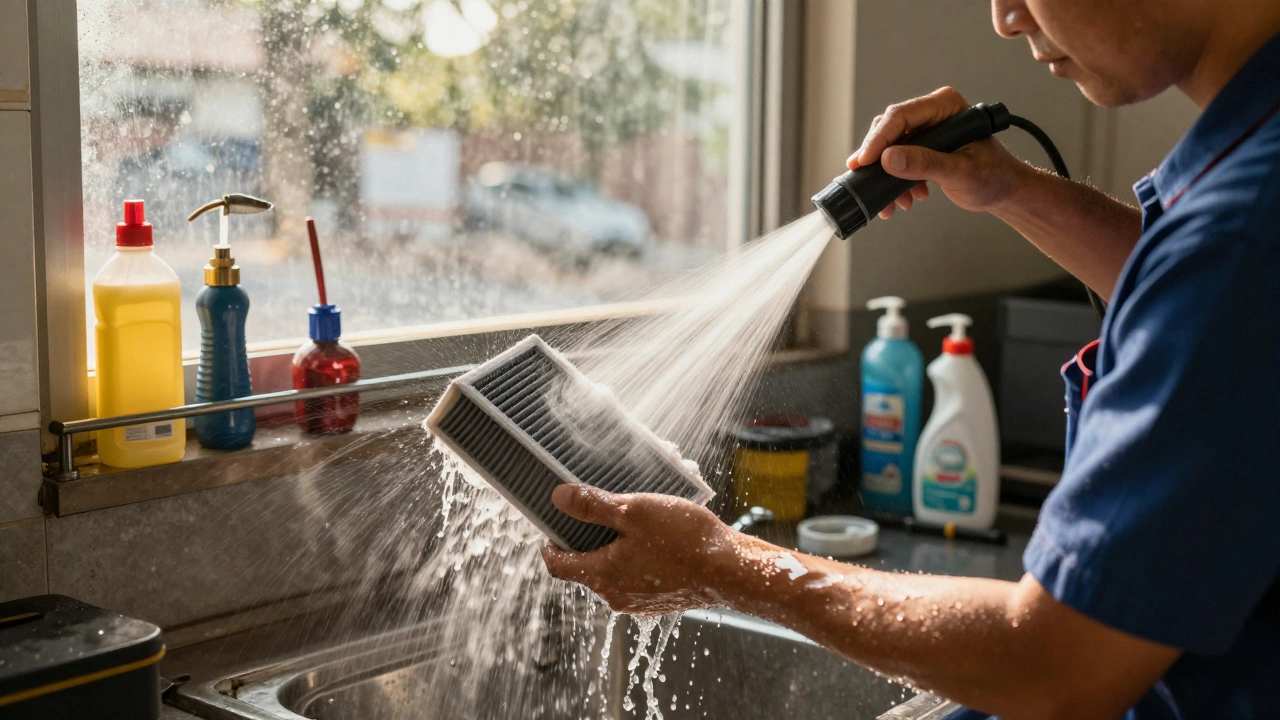
- Rinse with low-pressure water. Flow it from the clean side to the dirty side - never the other way around.
- Let it dry completely. This takes 12 to 24 hours. Don’t rush it. A wet filter will ruin your MAF sensor.
- Apply the correct amount of filter oil. Too much = oil on the MAF. Too little = no dirt trapping.
- Reinstall and double-check the seal.
Most people mess up step five. You only need a thin, even coat. Squeeze the oil bottle until the cotton turns a light red color. Wipe off any excess with a clean cloth. If you can see oil dripping, you’ve used too much.
When to Replace, Not Clean
Even the best cotton filters wear out. After 5 to 7 cleanings, the gauze starts to break down. The fibers thin. The oil doesn’t stick as well. You might notice the filter feels flimsy or has tiny holes.
Replace it if:
- It’s been cleaned more than 7 times
- You see tears, holes, or fraying in the cotton
- It doesn’t hold oil after cleaning
- The frame is cracked or warped
A new performance filter costs between $80 and $150. That’s less than one engine repair. If you’re on your third cleaning cycle, it’s cheaper to replace than keep risking damage.
What Happens If You Never Clean It?
Let’s say you bought a K&N filter 6 years ago and never touched it. You’ve driven 120,000 kilometers. What’s the damage?
First, your power gains are gone. You’re back to stock performance - maybe worse. Second, the dirt packed into the filter has started to shed. Tiny particles get past the clogged fibers and into your engine. That grit scratches cylinder walls, wears piston rings, and gums up valves. You won’t notice it right away. But over time, compression drops. Oil consumption rises. Then one day, your engine starts burning oil and misfiring.
Repairing that damage? $3,000 to $8,000. Cleaning the filter? $15 for a kit and 2 hours of your time.
Does Driving Environment Matter?
Yes. Big time.
If you drive mostly on sealed roads in the suburbs, your filter lasts longer. But if you:
- Take your 4WD to the beach or outback
- Drive on gravel roads near Ballarat or Bendigo
- Live near a construction zone or dusty industrial area
- Use your car for towing or off-roading
Then you’re in the high-dirt zone. Clean every 15,000 kilometers. Period. Don’t gamble. Dust in Australia is fine, dry, and abrasive. It doesn’t just sit on the filter - it embeds itself.
One guy I know from Warrnambool runs a ute with a K&N filter. He cleans it every 12,000 kilometers because he hauls horses and drives on dirt tracks. He says: "I’d rather clean it every three months than rebuild an engine every three years."
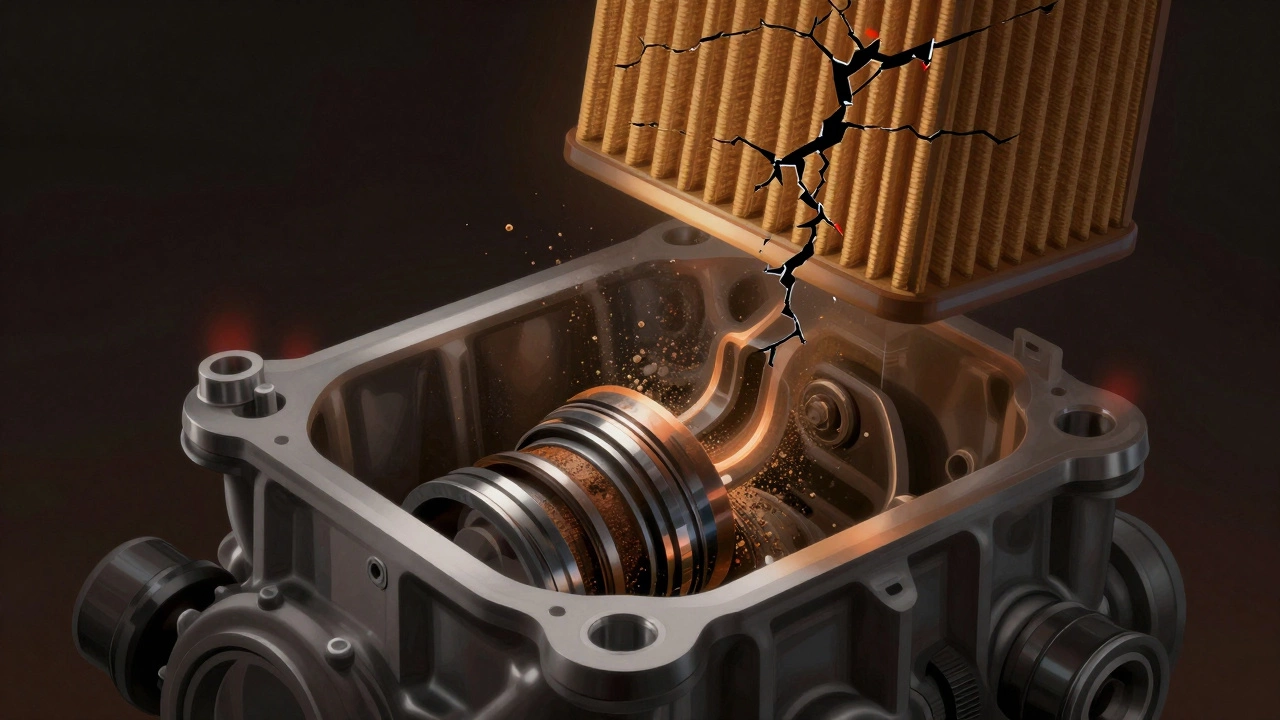
Myth: Performance Filters Are Maintenance-Free
This is the biggest lie sold by marketers. Performance filters are marketed as "lifetime" or "washable forever." That’s not true. They’re durable - but not indestructible. The cotton fibers degrade. The oil loses effectiveness. The seal can crack.
Think of it like running shoes. You don’t keep a pair for 10 years just because they’re "high performance." You replace them when the tread wears out. Same here.
What About Dry Filters?
Some brands like AEM and Injen offer dry filters - no oil needed. They’re easier to maintain, but they’re not better. Dry filters trap less dirt. They’re more prone to letting fine particles through. And they don’t last as long under heavy use. If you’re serious about performance and engine protection, stick with oiled cotton. Just clean it right.
Pro Tip: Keep a Log
Write down the date you installed your filter. Note every cleaning. Add mileage. Use a sticky note on the airbox or a note in your phone. That way, you never forget. And if you ever sell the car, you can prove you took care of it - which adds value.
Performance air filters aren’t magic. They’re tools. And tools need care. If you want to keep your engine running strong, keep your filter clean. It’s the cheapest, easiest upgrade you’ll ever make - and the one most people ignore until it’s too late.
How often should I clean my performance air filter?
Clean it every 25,000 to 35,000 kilometers under normal driving. If you drive in dusty areas, clean it every 15,000 kilometers. Never go beyond 40,000 kilometers without checking it.
Can I clean a performance air filter with soap and water?
No. Regular soap can damage the cotton fibers and strip the oil. Always use a dedicated air filter cleaner like K&N Recharger or similar. It’s formulated to remove dirt without harming the filter.
Do performance air filters increase fuel economy?
A clean performance filter can improve fuel economy by 2% to 5% by allowing better airflow. But if it’s dirty, it will reduce fuel economy - sometimes by more than 10%. Cleanliness matters more than the brand.
How many times can I clean a performance air filter before replacing it?
Most filters last 5 to 7 cleanings. After that, the cotton fibers weaken, oil doesn’t adhere properly, and protection drops. Replace it if you notice fraying, holes, or poor oil retention.
Is a dry performance air filter better than an oiled one?
No. Dry filters are easier to maintain but trap less dirt and offer less protection under heavy use. Oiled cotton filters are still the gold standard for performance and engine safety - if cleaned properly.