Headlight Assembly Compatibility Calculator
Car Information
Switching to LED headlights sounds like a simple upgrade-brighter light, lower power use, longer life. But if you’re asking whether you need a new headlight assembly, the answer isn’t just yes or no. It depends on your car, the type of LED bulbs you’re using, and how the original housing was designed. Many people think popping in LED bulbs is a plug-and-play fix. That’s rarely true, and skipping the right steps can make your headlights worse-or even illegal.
Why OEM Headlight Housing Matters
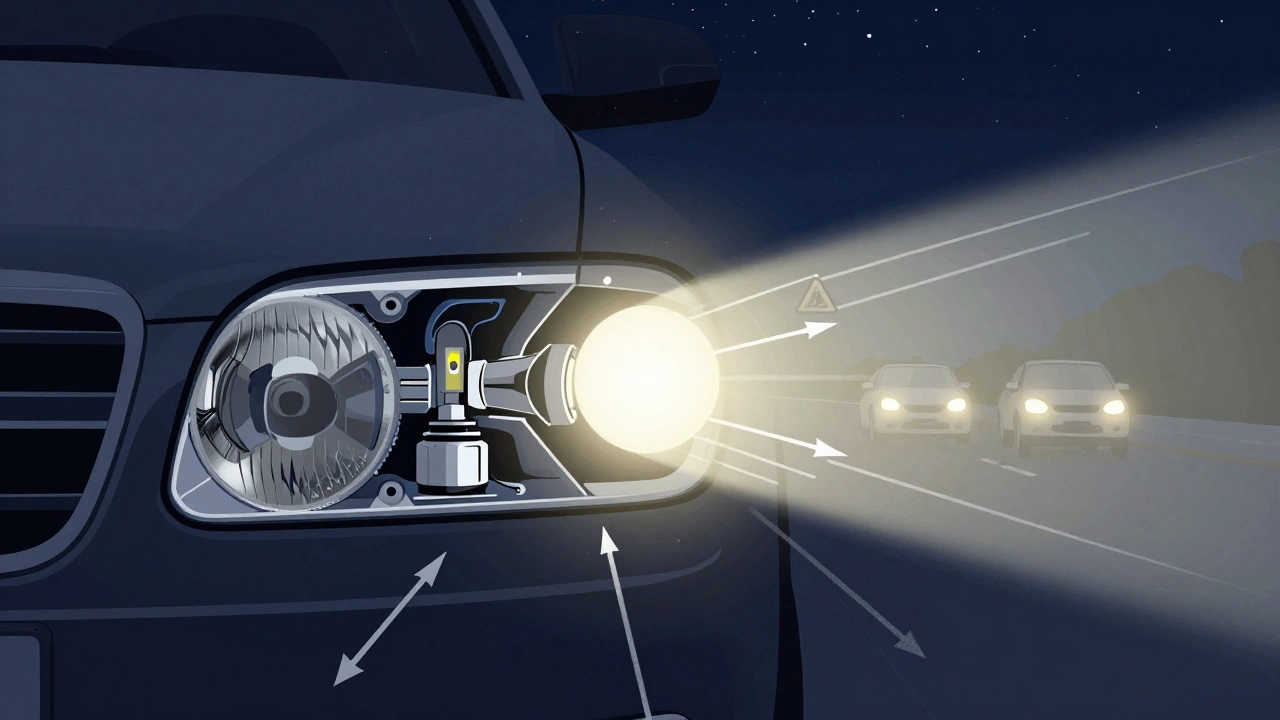
Factory headlights aren’t just glass and plastic. They’re engineered systems. The reflector bowl, lens shape, and internal baffles are designed for the exact size, angle, and heat output of the original halogen or HID bulb. When you swap in an LED bulb that’s physically different, you’re throwing off that balance. A bulb that’s too long, too wide, or positioned differently won’t focus light the way the housing was meant to. The result? Glare for other drivers, dark spots on the road, or uneven illumination.Some LED kits claim they’re "plug-and-play" because they fit the socket. But fitting the socket doesn’t mean they work with the housing. Think of it like putting a square peg in a round hole. The peg fits, but it doesn’t seal right. That’s why many aftermarket LED bulbs cause hotspots, scattered beams, or excessive glare.
When You Can Skip the New Assembly
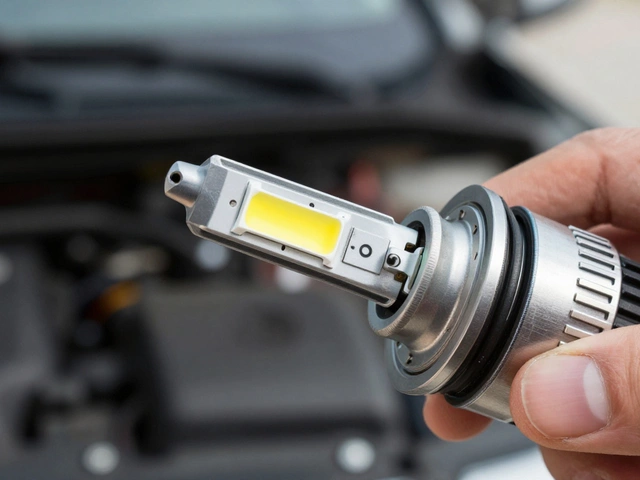
There are cases where you don’t need a full headlight assembly replacement. If your car came with halogen headlights and you’re using a high-quality LED bulb designed specifically for retrofitting, you might get away with just swapping the bulbs. But only if:- The LED bulb has the same base (H1, H7, 9005, etc.) as the original
- The bulb’s length and filament position match the halogen bulb’s hotspot
- The LED has a built-in heat sink and fan to manage temperature
- You’ve aligned the beam pattern after installation
Brands like Philips X-tremeUltinon LED or Osram Night Breaker LED are made with these factors in mind. They mimic the original filament location, so the reflector still focuses light correctly. But even then, results vary by car model. A 2018 Honda Civic might work fine with a retrofit. A 2015 Ford F-150 might scatter light everywhere. Testing isn’t optional-it’s necessary.
When You Absolutely Need a New Assembly
You’ll need a full replacement headlight assembly if:- Your car came with factory HID (xenon) headlights
- You want true LED performance with sharp cutoff lines
- Your current housing is cracked, foggy, or yellowed
- You’re installing LED bulbs that don’t match the original bulb shape
HID housings have different reflector patterns than halogen ones. Putting LED bulbs into them usually creates massive glare. The same goes for older halogen housings that weren’t designed for LED heat distribution. LEDs run cooler than halogens, but their heat sinks are bulkier. If the housing doesn’t have room for airflow or the lens isn’t optimized for LED light spread, you’ll get uneven beams or premature bulb failure.
True LED upgrades come as complete assemblies-housing, lens, reflector, and built-in LED modules. These are designed from the ground up for LED technology. Companies like Morimoto and Anzo offer OEM-style LED headlights that replace the entire unit. They’re more expensive, but they’re legal, safe, and perform like factory equipment.
The Legal and Safety Risks
In most places, including the U.S., Canada, and EU countries, headlights must meet federal or ECE safety standards. Aftermarket LED bulbs installed into halogen housings rarely meet those standards. Police can pull you over for improper beam pattern or excessive glare. In some states, you can get fined or fail your inspection outright.More importantly, poor beam focus puts you at risk. If your headlights don’t light up the road properly, you won’t see pedestrians, animals, or debris until it’s too late. A 2023 study by the Insurance Institute for Highway Safety found that improperly retrofitted LED headlights reduced nighttime visibility by up to 30% in some vehicles. That’s not a small trade-off for a brighter bulb.
What’s the Best Path Forward?
If you want better lighting, here’s how to do it right:- Check your car’s original headlight type. Was it halogen, HID, or factory LED?
- Look up your exact model on forums like Reddit’s r/LEDHeadlights or manufacturer retrofit guides.
- If your housing is compatible with LED retrofit kits, buy a high-quality bulb with a precise filament match (like Philips or Osram).
- If your housing is old, cracked, or was designed for HID, replace the entire assembly with a certified LED unit.
- Always aim and test your beams after installation. Use a flat wall 25 feet away and check for a sharp cutoff line.
There’s no shortcut. A $50 LED kit might seem like a bargain, but if it blinds oncoming traffic or leaves you blind on dark roads, it’s not worth it. The right upgrade isn’t about brightness-it’s about control, safety, and legality.
Cost Comparison: Retrofit vs. Full Assembly
| Option | Cost Range | Installation | Performance | Legality | Lifespan |
|---|---|---|---|---|---|
| LED Retrofit Bulbs | $40-$150 | DIY, 1-2 hours | Variable-can be poor if mismatched | Often illegal | 20,000-30,000 hours |
| Full LED Headlight Assembly | $300-$800 | Professional, 2-4 hours | Consistent, OEM-level | Compliant with standards | 40,000+ hours |
Full assemblies cost more upfront, but they last longer, perform better, and won’t get you pulled over. Retrofit bulbs are cheaper, but they’re a gamble. For most drivers, the assembly is the smarter long-term choice.
Final Thought: Brighter Isn’t Better If It’s Unsafe
LED headlights can transform night driving-if done right. But the upgrade isn’t about the bulb. It’s about the whole system. A new headlight assembly isn’t just an option; it’s the only way to guarantee safety, legality, and real performance. Don’t risk your vision-or someone else’s-on a cheap fix. The road doesn’t forgive bad lighting.Can I just swap halogen bulbs for LED bulbs without changing the housing?
Sometimes, but it’s risky. If your car has halogen headlights and you use a high-quality LED bulb designed for retrofitting-like Philips or Osram-with the exact same filament position, you might get away with it. But most LED bulbs don’t match the original bulb’s shape or heat pattern. This causes glare, poor focus, and can make your headlights illegal. Always test the beam pattern after installation.
Do LED headlights require a new wiring harness?
Not always, but often. Many LED bulbs draw less power than halogens, which can confuse your car’s bulb-out warning system. That’s why many LED kits include a CANbus decoder or resistor pack. If your car throws error messages or flickers after installation, you need a compatible harness or decoder. It’s not about power-it’s about communication between the bulb and your car’s computer.
Are aftermarket LED headlight assemblies legal?
Yes-if they’re certified. Look for ECE R112 or SAE J583 compliance on the packaging. These standards ensure the beam pattern meets safety requirements. Most cheap LED kits sold online aren’t certified. Only full assemblies from reputable brands like Morimoto, Anzo, or Hella are guaranteed legal. Never assume a product is legal just because it’s sold for "car use."
How do I know if my current headlight housing is compatible with LEDs?
Check your car’s make, model, and year on dedicated retrofit forums or manufacturer websites. Many brands list compatible vehicles for their LED kits. You can also look for reviews from owners of the same car. If multiple users report glare or poor beam focus, your housing likely isn’t compatible. When in doubt, assume it’s not.
What’s the lifespan of LED headlights compared to halogen?
Halogen bulbs last about 500-1,000 hours. LED bulbs last 20,000-40,000 hours. Full LED assemblies often last even longer because they’re designed with better heat management. You’ll likely never replace them during the life of your car. That’s why the upfront cost of a full assembly pays off over time.