Wheel Fitment & Safety Advisor
Scenario Details
Mechanical Impact
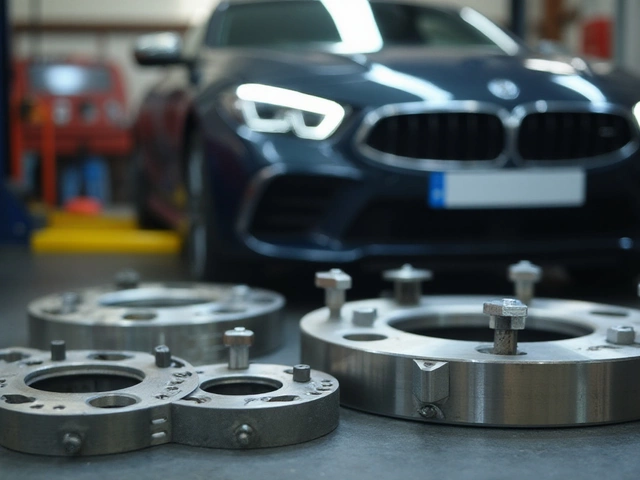
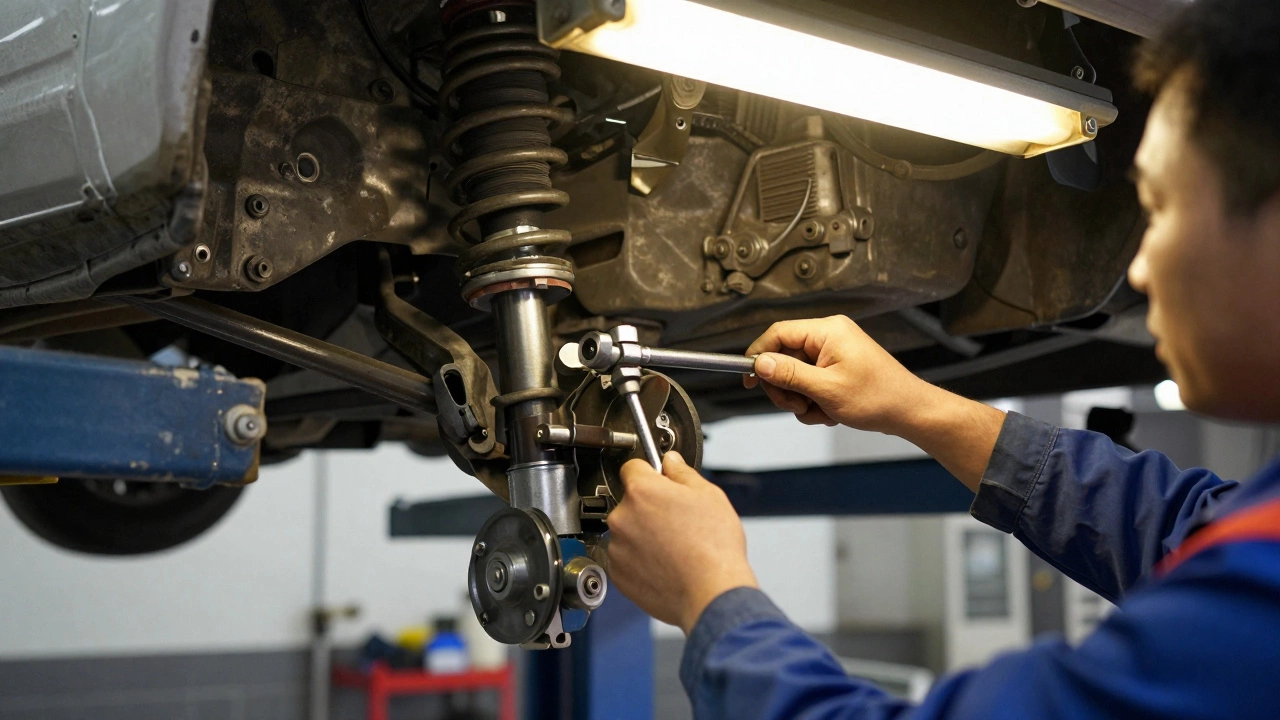
Visual approximation of mounting hardware
Recommended Solution
Why this works
Cost Estimate
Integrity Score
Factory Direct Load Path
Proceed with Caution
Based on your choices, you are likely looking at a solution with increased wear risks.
- Risk: Added leverage on bearings/bushings.
- Action Required: Use ONLY forged, hub-centric components.
- Maintenance: Inspect every 2 weeks for vibration/torque loss.
You stand in your garage staring at your vehicle's fenders. You want those wider rims that give the car a planted, aggressive stance. Wheel spacers are the easiest quick fix to get that look, pushing your tires further out from the hubs. But here is the uncomfortable truth: spacers add leverage to your suspension components that weren't designed for it. While they work, there are often smarter, safer ways to achieve the exact result you want without compromising your safety or resale value.
As we navigate the car modification scene in 2026, the conversation is shifting away from bolt-on gimmicks toward integrated solutions. Whether you are building a daily driver in Melbourne or a competition rig, understanding the mechanical consequences of spacing is critical. If you are reading this, you are likely tired of hearing conflicting advice about whether spacers will bend your axles or strip your threads. Let's look at what actually beats spacers in terms of safety, durability, and handling.
Understanding the Mechanical Risks
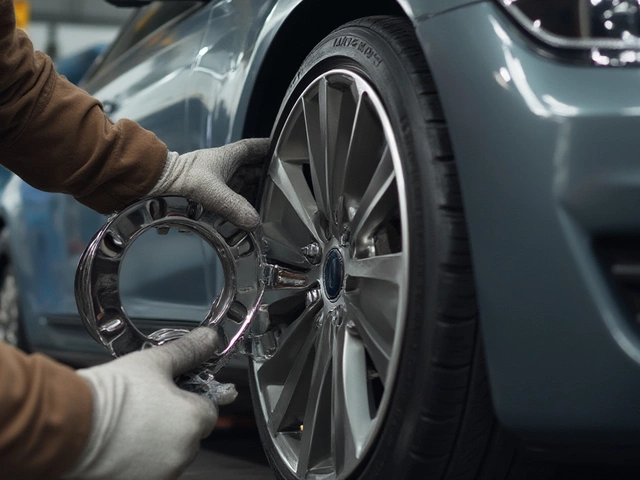
Before we jump into alternatives, you need to know exactly why someone would want to move away from spacers entirely. A Spacer is a component placed between the hub face and the wheel mounting surface to change the wheel offset. It forces the tire outward.
The problem isn't always the concept itself; it is the quality and execution. Cheap aluminum castings can warp over time due to heat cycles from the brakes. This warping creates vibration at high speeds. More critically, every millimeter of spacer extends the leverage arm applied to your ball joints and wheel bearings. Think of it like extending a hammer handle; the longer it is, the more force applies to your hand holding it. That extra torque stresses the suspension bushings significantly more than stock setup. In our local conditions, with salted roads in some regions, corrosion can eat through low-grade steel spacers, causing wheel run-off failures. If you want a solution that lasts, you need alternatives that integrate directly with the existing engineering tolerances.
Switching to Custom Offset Wheels
This is widely considered the gold standard for replacing spacers. Instead of buying stock wheels and adding metal behind them, you source wheels with a specific factory-cast offset built right into the design.
Offset Wheels wheels manufactured with a specific inward or outward mounting position relative to the centerline. When you buy a custom set with a negative offset, you achieve the same wider stance as a spacer but without introducing a weak link between the hub and the rim. The load path remains direct from the wheel nut to the brake rotor to the hub assembly.
For example, let's say your current wheels have an ET40 (offset +40mm) and you want them to sit flush like an ET25. Using a 15mm spacer achieves this visually. However, finding a custom wheel cast at ET25 does the exact same job structurally. The benefit? Zero stress concentration point failure. You also avoid the "wobble" sensation some drivers feel with thick, non-machined spacers because the mounting surface is a unified piece of forging or high-quality casting.
- Direct Load Path: Forces travel straight through the alloy or steel of the wheel without stopping at a bolted interface.
- Aesthetics: The wheel lip looks seamless, whereas a spacer sometimes leaves a small gap or protrusion visible around the brake caliper area.
- Resale Value: Enthusiasts prefer custom wheel sets over cars fitted with add-on modifications that suggest potential previous damage or poor maintenance.
The downside is cost. You cannot simply buy these off the shelf at an auto parts store; they require ordering from manufacturers like Work Equipment, Advan, or HRE depending on your budget and region. However, in 2026, online manufacturing has made getting a custom offset for less than $2,500 AUD per corner viable for many builds.
Using Extended Lug Bolts or Studs
Sometimes the goal of a spacer is misunderstood. Drivers often install a thin spacer (5mm to 10mm) not to gain width, but simply to clear a brake caliper or a strut tower when lowering the vehicle. In these scenarios, a full spacer is unnecessary weight.
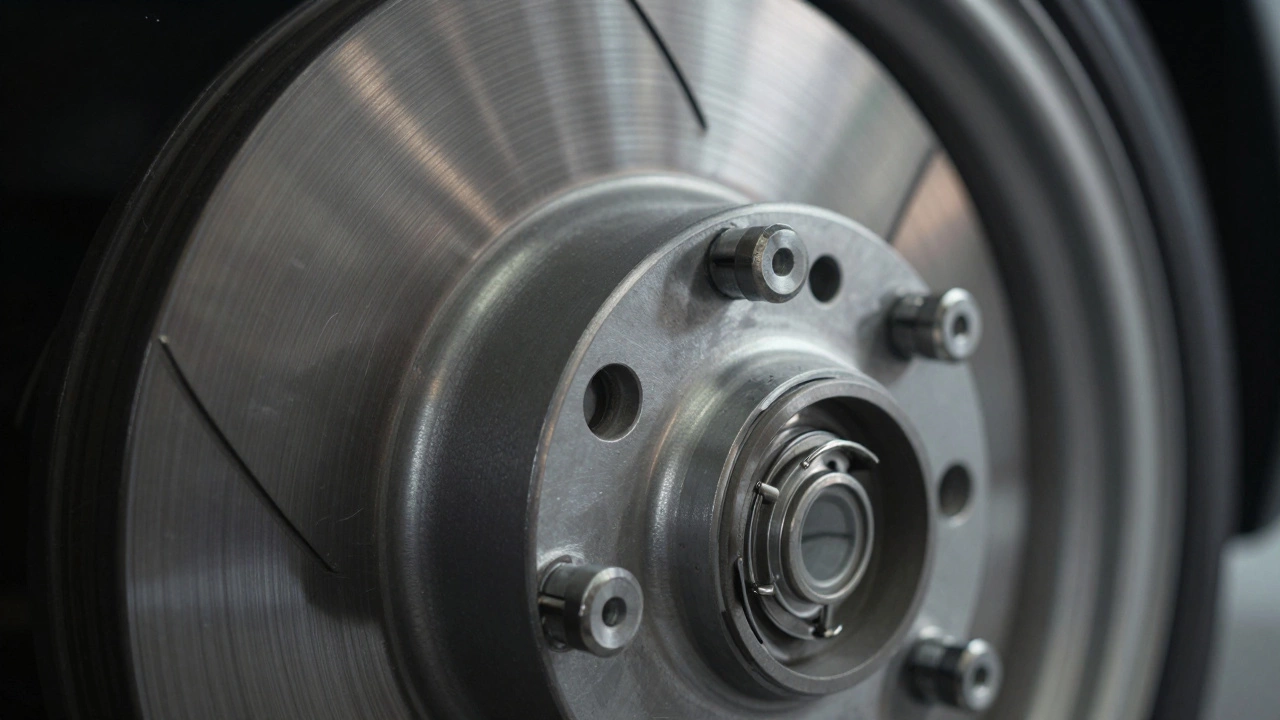
Extended Lug Hardware longer fasteners used to secure a wheel when stock hardware does not thread sufficiently into the hub. If your clearance issue is minimal, extended studs provide the clamping force required without altering the track width or suspension geometry.
If you drop your ride height using coilovers, the calipers can hang too low and scrape the tire. Rather than pushing the wheel out (spacer), you might just need to pull the caliper back slightly or adjust suspension geometry. However, if you absolutely must bridge a small gap to stop the wheel from being mounted too deep (inner fender contact), extenders are the cleaner choice. They maintain the original mounting plane while ensuring the wheel nuts have enough engagement. Engaging too few threads is dangerous; the nut vibrates loose over time.
A practical rule of thumb: if you need less than 10mm of movement, buy Grade 12.9 extended studs. If you need more than 20mm, a full hub-centric spacer is actually mechanically safer than using extreme extensions, as long as the spacer is machined from billet aluminum. The decision boundary depends on the thickness required.
Correcting Suspension Geometry First
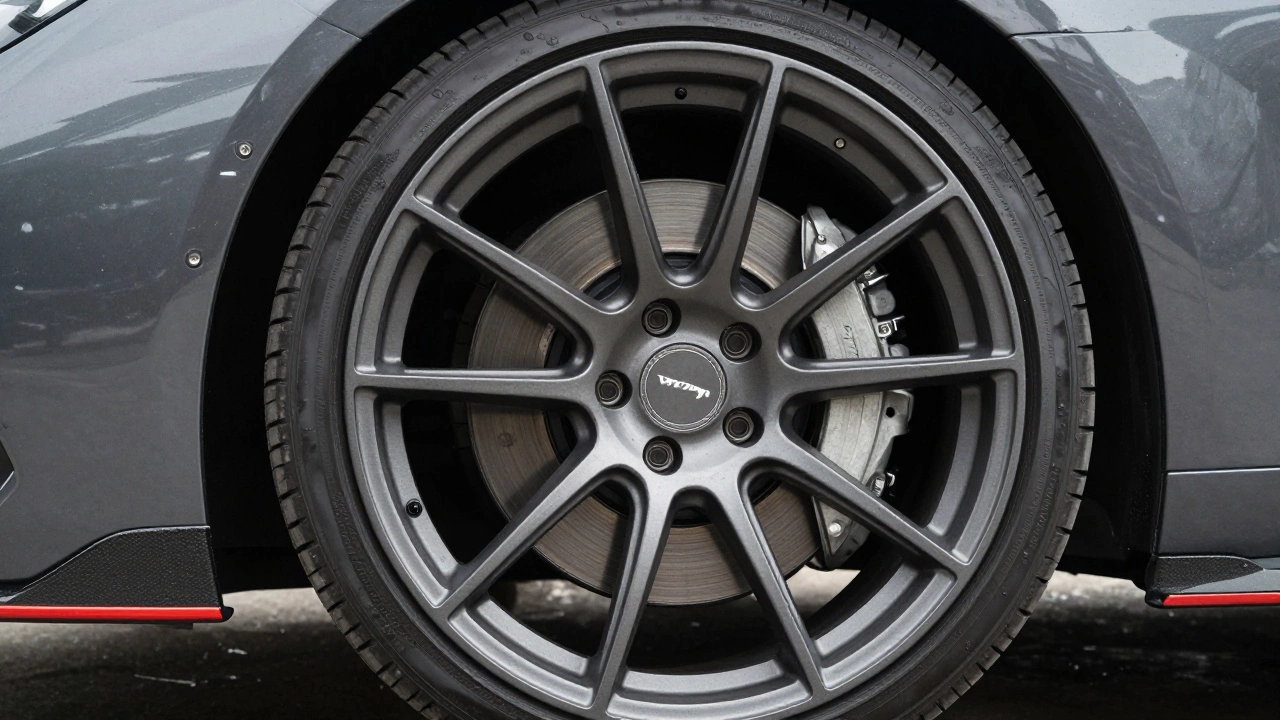
Often, the reason people reach for spacers is to stop tires from rubbing on the fender liners after lifting or dropping the suspension. Before spending money on metal rings, look at your alignment settings. Specifically, Camber.
Positive camber pushes the top of the tire inward, often leading to inner rubbing. Negative camber pulls the top inward, pushing the bottom of the tire outward. If you lower your front end, you may have inadvertently changed the geometry such that the wheel hits the inner strut.
Adjustable Camber Plates components installed in the suspension strut that allow adjustment of wheel angle relative to vertical. Installing adjustable camber plates allows you to tweak the angle of the hub. By correcting the camber angle, you create clearance without changing how far the tire sits from the chassis. This fixes the rub issue naturally. It improves cornering grip by optimizing the tire patch against the road surface, which is superior to just forcing the wheel outward where it might interfere with the fender flare.
Another solution is modifying the fender arches themselves. Rolling or cutting the fenders (where legal and safe) creates space for the wheel to exist without needing to push it further away from the body. This reduces unsprung weight compared to adding heavy steel spacers and keeps the aerodynamics intact.
Comparison of Fitment Solutions
To make the decision clearer, let's break down the core differences between the traditional spacer method and the three main alternatives mentioned above. We look at safety, cost, and mechanical integrity.
| Feature | Standard Spacers | Custom Offset Wheels | Extended Lug Bolts | Suspension Tuning |
|---|---|---|---|---|
| Safety Profile | Moderate (Risk of fatigue) | High (Original design) | High (Factory standard) | High (Improves handling) |
| Load Path Integrity | Broken by added joint | Continuous solid | Unchanged | Optimized |
| Initial Cost | Low ($100-$400) | Very High ($1500+/corner) | Low ($50-$150) | Moderate ($300-$800) |
| Resale Value | Neutral/Negative | Positive | Positive | Positive |
| Better For | Temporary test fitment | Permanent build quality | Minor clearance gaps | Rubbing issues/Handling |
Notice that while spacers win on initial sticker price, the long-term maintenance and safety costs tilt the table heavily toward custom wheels or suspension tuning. For a permanent build, investing in the correct offset wheels is almost always the financially sound decision once you calculate labor and risk over five years.
Installation and Legal Compliance
In Australia, vehicle modification falls under Australian Design Rules (ADR). If you modify your suspension or wheels, you must ensure the changes do not impact safety certification.
Spacers can sometimes void insurance policies if not approved, as they alter the crash profile of the vehicle. A vehicle with modified tracks handles differently in a collision. Custom wheels, however, are viewed more favorably because they return the car to a similar state of structural integrity, provided the offset doesn't push the tire past the fender lip excessively. Always check the manufacturer's specs regarding maximum tread limits.
When installing alternatives, pay attention to torque specifications. Torque Wrench a tool designed to apply a specific amount of force to a fastener to prevent loosening or stripping. Overtightening wheel nuts on high-stress custom wheels can lead to stud shearing. Undertightening is worse, allowing the wheel to wobble until it detaches completely. Regular checks are mandatory regardless of the setup.
Corrosion is another major factor in our humid coastal climates. Standard black oxide spacers rust quickly. If you are looking for "better," consider anodized or zinc-plated components. But remember, a polished custom wheel eliminates this interface entirely.
Making the Smart Choice
There is rarely a situation where a cheap spacer is objectively "better" than doing it right. They serve a purpose for testing, moving a vehicle temporarily, or clearing a specific obstruction in a race car where suspension is constantly tuned. For a road-going vehicle meant to last, custom wheels offer the highest level of safety and integration.
If budget prevents immediate custom wheel purchase, start with the suspension check. Fixing your camber angles often solves the rubbing issue that tempted you to buy spacers in the first place. Only resort to spacers if the offset math demands it and you choose high-end, hub-centric, forged options. The goal of any modification should be making the car perform and look better without creating new failure points. Your safety on the road depends on those fasteners staying tight, and nothing does that job better than a unified, correctly offset wheel design.
Are wheel spacers unsafe?
Wheel spacers are not inherently unsafe if they are high-quality, hub-centric, and properly torqued. However, low-quality cast aluminum spacers can crack under stress, and even good spacers add leverage that wears out wheel bearings faster than stock setup. Alternatives like custom offset wheels eliminate these risks.
What is the difference between hub-centric and lip-centric spacers?
Hub-centric spacers have a raised center ring that matches your vehicle's hub pilot diameter. This ensures the wheel centers itself perfectly on the hub, reducing vibration. Lip-centric spacers rely on the lug nuts to center the wheel, which can cause imbalance and shaking at higher speeds if not perfectly aligned.
Can I mix wheel spacers and custom offset wheels?
Technically yes, but it defeats the purpose of both. Mixing them adds unnecessary weight and introduces two potential failure points. It is better to select a custom wheel with the exact offset you need to achieve your desired fitment without intermediate parts.
Is it legal to use spacers in Australia?
It is legal provided the modification complies with Australian Design Rules (ADRs) regarding steering and braking safety. If the spacer alters the steering geometry excessively or causes excessive wear, it may fail inspection. Always consult a registered engineer for commercial vehicles.
How do I choose between 5mm and 25mm spacers?
If you need less than 15mm, extended lugs are safer. If you need more than 20mm, you are better off using a thicker, solid spacer rather than stacking two thin ones. Stack failure is a significant risk as the inner faces may not mate perfectly flat.