Luxury Car Interior Budget Calculator
Choose Your Upgrades
Calculate your total investment for a luxury interior transformation
Your Luxury Investment
Most people think a luxurious car interior means spending thousands on leather seats and carbon fiber trim. But the truth? Real luxury isn’t about price tags-it’s about attention to detail, texture, and harmony. You don’t need a six-figure sedan to make your cabin feel like a high-end lounge. In Melbourne, where rain-slicked streets and long drives are common, a refined interior doesn’t just look good-it makes every drive feel calmer, more intentional.
Start with the surfaces you touch every day
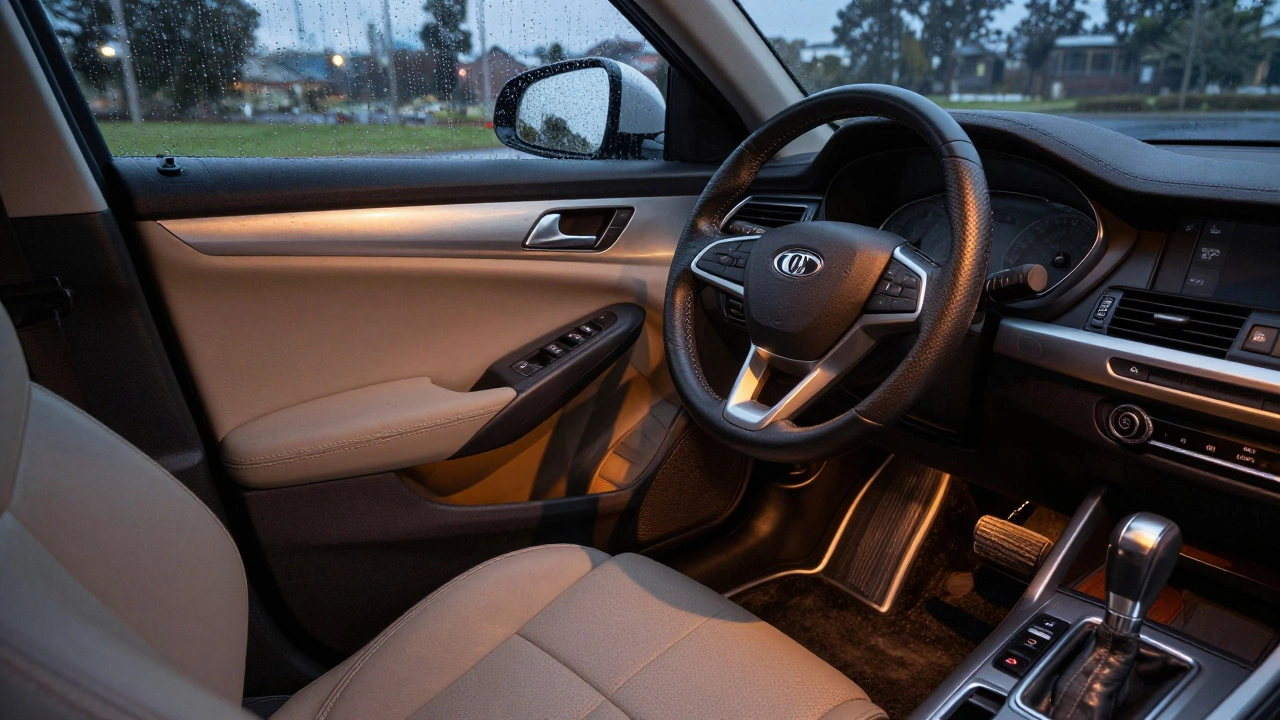
Your hands spend more time on the steering wheel, gear shift, and door handles than anywhere else in the car. If those surfaces feel cheap, the whole cabin feels cheap-even if the seats are leather. Replace plastic or worn-out shift knobs with ones made from aluminum, brushed metal, or real wood. Brands like Alcantara and Rennline offer direct-fit replacements for common models like the Toyota Camry, Honda Accord, and Ford Mustang. A simple $40 upgrade can turn a generic gear knob into something that feels like it belongs in a BMW.
Same goes for the steering wheel. If yours is cracked or glossy, wrap it in a high-quality stitched leather or Alcantara cover. Avoid the flimsy ones from Amazon. Look for ones with double stitching and a slight texture-something that grips your hands without being sticky. A well-wrapped wheel doesn’t just look expensive, it changes how the car feels to drive.
Upgrade the lighting to set the mood
Factory car lighting is designed for visibility, not atmosphere. It’s harsh, white, and flat. Swap out the dome lights and footwell bulbs for LED strips with adjustable color temperature. Go for 2700K to 3000K-warm white, like the glow of a candle. That’s the same tone used in luxury hotels and high-end restaurants. Brands like Philips and OSRAM make plug-and-play kits that fit most cars made after 2010.
Don’t just install them. Program them to turn on slowly when you open the door. Use a timer or a CAN bus module to sync the lights with the ignition. When you slide into your car at night and the cabin glows softly around you, it doesn’t feel like a car anymore. It feels like stepping into a private sanctuary.
Replace worn floor mats with real carpet or custom mats
Most cars come with thin, plastic-backed mats that slide around and trap dust. Luxury cars don’t have that. They have thick, woven carpet or custom-fit rubber mats with deep grooves. You can get OEM-style carpet mats for your model from companies like WeatherTech or Husky Liners. They’re molded to fit your footwells perfectly and have a rich, dense pile that feels solid underfoot.
For even more premium feel, go with a two-tone design-dark charcoal with a subtle silver border. It hides dirt, adds depth, and makes the cabin feel more intentional. Skip the cheap rubber mats with logos. They scream "budget car." Custom mats whisper "this owner cares."
Use natural materials to add warmth
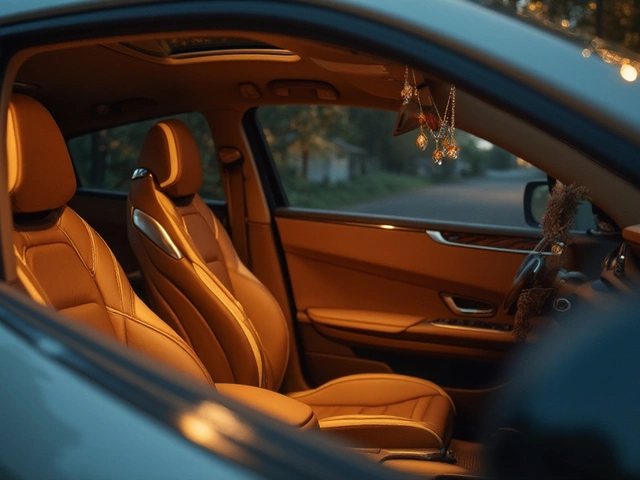
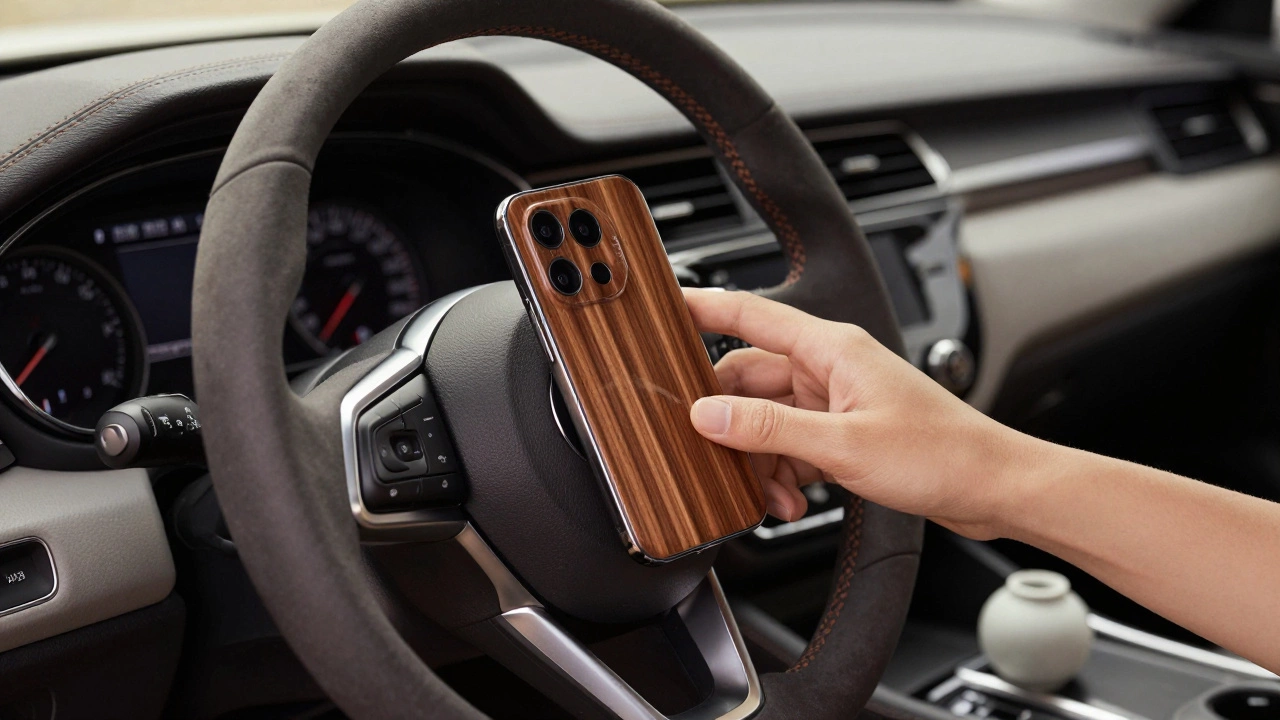
Plastic and synthetic leather feel cold. Real wood, brushed aluminum, and wool add warmth. Look for small accessories made from real materials. A walnut veneer phone holder. A wool-blend gear shift boot. A leather-wrapped cup holder insert. These aren’t just decorations-they change the sensory experience.
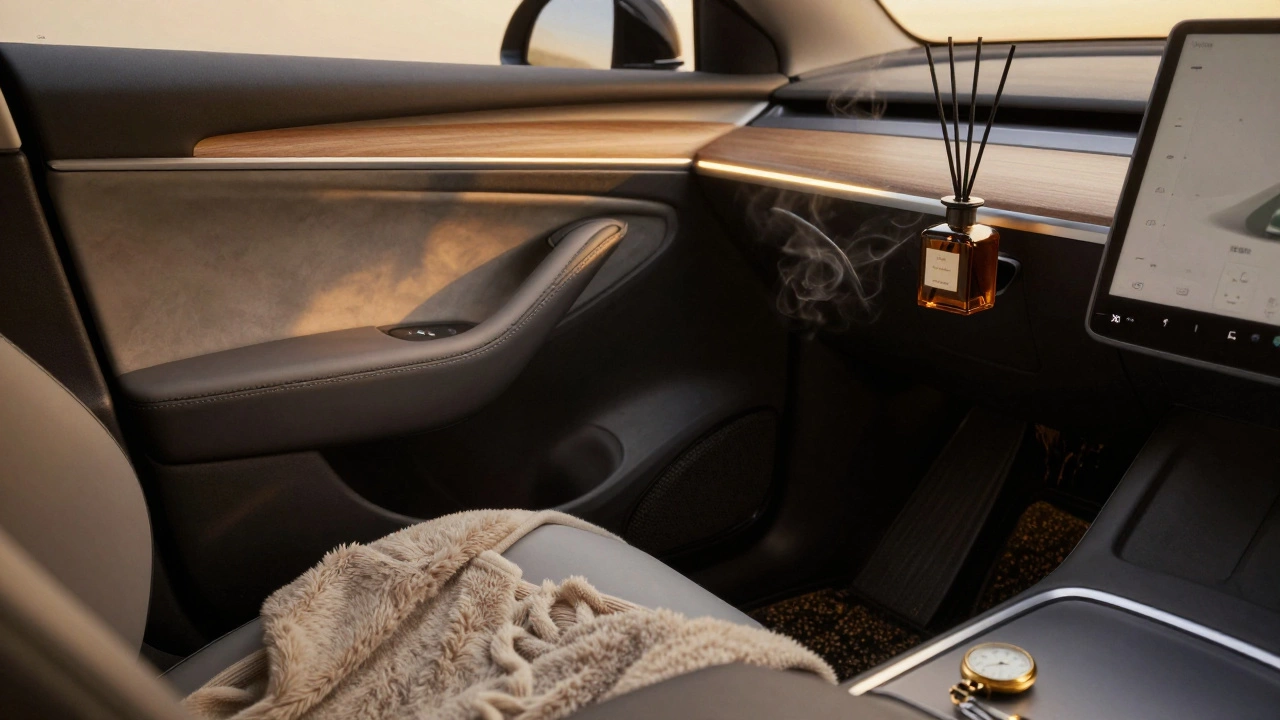
One trick used by luxury car designers: mix textures. If your seats are leather, add a wool blanket draped over the backrest in winter. If your dashboard is glossy, place a small, handcrafted ceramic air freshener on the center console. It’s not about clutter-it’s about contrast. A smooth surface next to a rough one. A cool metal next to warm wood. That’s what makes a space feel curated, not mass-produced.
Deep clean and condition everything
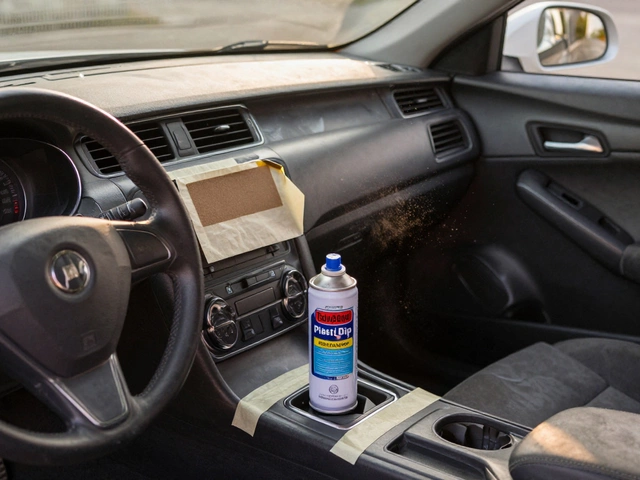
No amount of upgrades will fix a dirty, sticky, or faded interior. Start with a full detail. Use a clay bar on the dashboard and door panels to remove embedded grime. Then apply a water-based protectant like Meguiar’s Quik Interior Detailer. Avoid silicone-based sprays-they leave a greasy shine that attracts dust and looks cheap.
For leather seats, use a pH-balanced cleaner followed by a conditioner with UV protection. Do this every three months. Sun damage is the silent killer of luxury interiors. Even in Melbourne, UV rays penetrate windows and fade dashboards over time. A well-conditioned leather seat doesn’t just look new-it smells new. And smell matters more than you think.
Declutter with purpose
Luxury spaces are quiet. They don’t scream for attention. Remove everything that doesn’t belong. The dangling air freshener. The stack of parking tickets. The charger cables tangled around the cup holder. Use hidden storage. Install a slim console organizer that slides under the armrest. Tuck your phone in a magnetic mount behind the gear shift. Keep the center console clear.
One item you should keep: a single, high-quality item. A leather-bound notebook. A vintage-style pocket watch on a chain. A small piece of art printed on aluminum. One meaningful object. That’s all it takes to make the space feel personal, not sterile.
Control the air
Luxury cars don’t just smell clean-they smell intentional. Skip the chemical air fresheners. Instead, use natural reed diffusers or essential oil diffusers designed for cars. Lavender for calm. Cedarwood for warmth. Citrus for energy. Place them where they won’t spill-on the back of the seat, clipped to the vent, or tucked under the seat.
Pair this with clean air filters. Change your cabin filter every 12,000 km. A clogged filter doesn’t just reduce airflow-it recirculates dust, pollen, and odors. A fresh filter makes the air feel lighter, crisper. It’s the invisible upgrade that makes the whole cabin feel fresher.
Finish with the right music
Sound is part of the interior experience. If your speakers sound tinny, the whole cabin feels cheap. Even a $200 aftermarket speaker upgrade can transform the soundstage. Look for coaxial speakers with silk dome tweeters-they deliver smoother highs than plastic ones. Pair them with a small subwoofer under the seat for depth.
Play music that matches the mood. Jazz for evening drives. Classical for quiet mornings. Ambient tracks for long highway trips. The right soundtrack doesn’t just entertain-it completes the atmosphere.
What not to do
Don’t slap on too many carbon fiber stickers. They look like a Halloween costume, not a luxury upgrade.
Don’t install neon underglow inside. It’s not luxury-it’s a rave.
Don’t buy cheap imitation leather. It cracks in six months and smells like plastic.
Don’t overcrowd. One thoughtful upgrade is worth ten impulse buys.
Real results, real cost
Here’s what a full luxury upgrade looks like without breaking the bank:
- Leather steering wheel wrap: $45
- Custom carpet mats: $120
- LED ambient lighting kit: $65
- Leather seat conditioner + cleaner: $35
- Aluminum gear shift knob: $50
- High-quality cabin air filter: $25
- Natural reed diffuser: $20
Total: under $360. That’s less than a full tank of premium fuel. But the impact? It feels like you’ve spent $10,000.
The difference between a normal car and a luxurious one isn’t the brand. It’s the care. It’s the quiet choices-the textures you notice when you reach for the door handle, the way the light glows when you turn the key, the smell of clean leather after rain. That’s luxury. And it’s yours to create.
Can I make a used car interior look luxurious?
Absolutely. Used cars often have worn interiors, but that’s where the biggest transformation happens. Start by deep cleaning and conditioning leather and vinyl. Replace cheap plastic trim pieces with metal or wood accents. Upgrade lighting and mats. These changes don’t require a new car-just smart, targeted upgrades.
What’s the most cost-effective luxury upgrade?
LED ambient lighting. For under $70, you can completely change the mood of your cabin. Warm white lights make the interior feel larger, cozier, and more expensive. It’s the single upgrade that gets the most compliments.
Do I need to replace my seats to get a luxury feel?
No. Seat covers can look fake. Instead, focus on conditioning and protecting your existing seats. Use a high-quality leather conditioner every few months. Add a wool or cashmere throw on the backrest in colder months. These subtle touches add warmth and texture without replacing anything.
How often should I clean my car interior?
Wipe down surfaces weekly with a microfiber cloth and water-based cleaner. Do a full deep clean every three months-especially if you drive daily. Vacuum thoroughly, clean vents, condition leather, and replace the cabin air filter. Consistency matters more than occasional deep cleans.
Are carbon fiber trim pieces worth it?
Only if they’re real carbon fiber and professionally installed. Most are cheap plastic with a printed pattern. They look fake, peel over time, and reflect light in a way that feels cheap. Stick to brushed aluminum, wood veneer, or matte black finishes. They age better and look more refined.
If you want your car to feel like a luxury space, stop chasing flashy parts. Start with what you touch, what you smell, and what you hear. Refine those. The rest will follow.