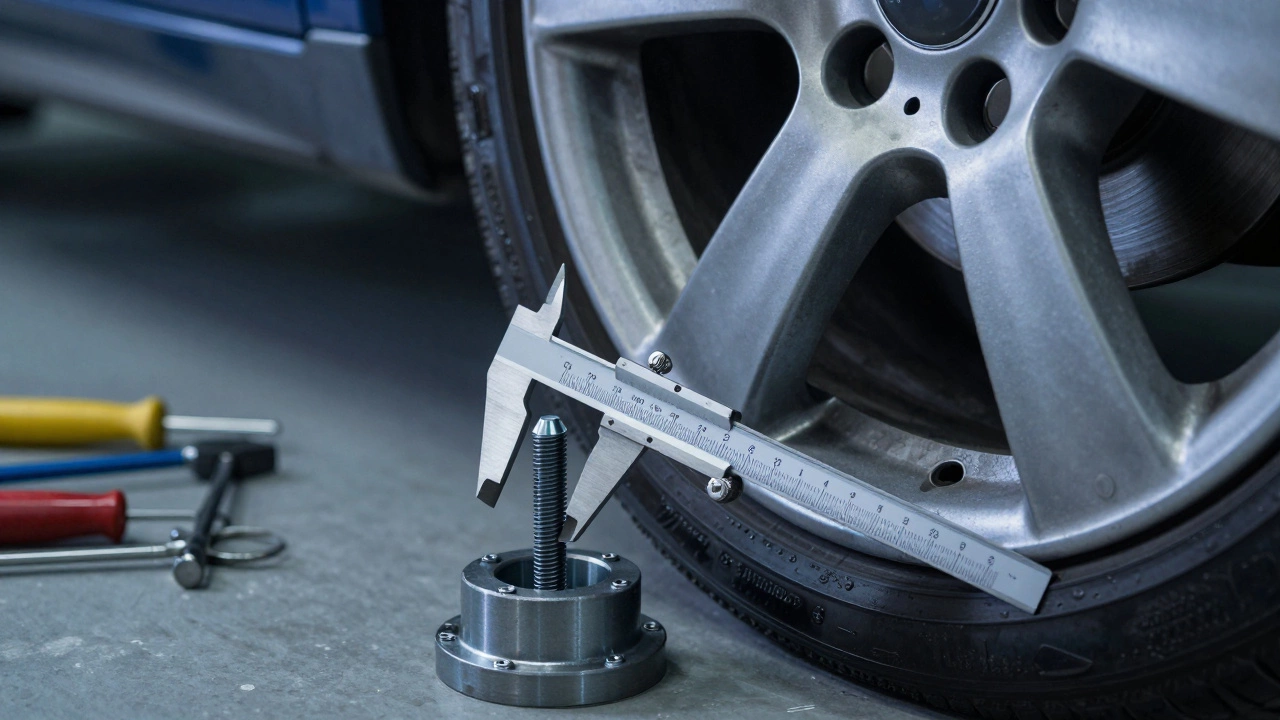
Spacer Thickness Guide: What You Need to Know Before Installing Wheel Spacers
When you think about wheel spacers, thin metal or plastic discs installed between the wheel and hub to push the wheel outward. Also known as wheel adapters, they’re often used to improve stance, fit wider tires, or clear big brakes—but they’re not a one-size-fits-all fix. The thickness you choose isn’t just about looks. A 5mm spacer might look subtle and safe. A 20mm spacer? That’s a different story. It changes how your suspension works, how your tires wear, and even how your car handles in a panic stop. Most people don’t realize that spacer thickness directly affects load distribution on your wheel bearings, studs, and hub assembly. Too thick, and you’re asking for premature failure.
What makes this tricky is that spacer thickness isn’t isolated—it connects to other parts of your car. If you’re using hub-centric spacers, spacers that fit precisely over the hub to center the wheel, you reduce vibration and stress. But if you’re using bolt-on spacers without proper hub rings, you’re adding play. That play turns into wobble, which turns into worn bearings. And if your car already has stock suspension, adding thick spacers forces your suspension geometry out of alignment. You’ll get uneven tire wear, poor steering response, and possibly even dangerous handling on wet roads. The spacer installation, the process of mounting spacers between the hub and wheel matters just as much as the thickness. Torque specs, thread engagement, and stud length all have to line up perfectly. A 10mm spacer might seem harmless, but if your studs are already worn or too short, you’re risking a wheel coming off.
There’s no magic number for the perfect spacer thickness. It depends on your car’s make, model, suspension type, tire size, and even how you drive. For daily drivers, sticking to 5–10mm is usually safe if everything else is in good shape. Enthusiasts running track setups might go up to 15mm—but only if they’ve upgraded their bearings, studs, and alignment. Anything beyond that? You’re venturing into risky territory without professional support. Most of the posts below dive into real cases: people who installed spacers without knowing the risks, what went wrong, and how to avoid the same mistakes. You’ll find breakdowns on what thickness works for specific models, how to check if your studs are long enough, and why some shops refuse to install spacers over 12mm. This isn’t about looking cool—it’s about keeping your car safe and your wallet intact.
Learn the safe limits for wheel spacer thickness based on vehicle type, stud engagement, and legal guidelines. Avoid dangerous modifications with practical tips and real-world examples.