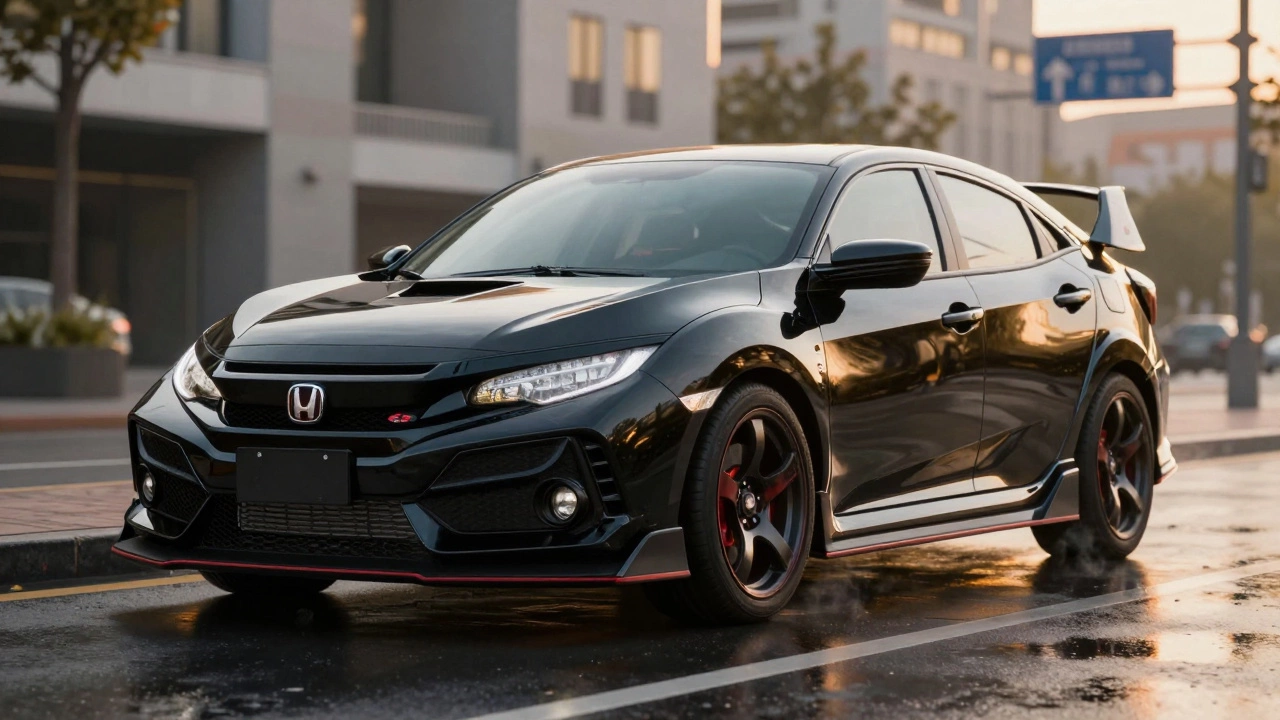
Car Styling Kit: What It Is, What It Does, and What You Need to Know
When you hear car styling kit, a set of aftermarket parts designed to change the look of a vehicle’s exterior, often including front and rear bumpers, side skirts, and spoilers. Also known as body kit, it’s one of the most visible ways to personalize your car without repainting it. But here’s the thing—most people buy these kits for looks, not because they understand what they’re really getting into.
A body kit, a collection of aerodynamic or cosmetic panels installed over a car’s original bodywork isn’t just plastic or fiberglass glued on. It’s a system. It affects how air flows around your car, how much clearance you have over speed bumps, and even how your tires wear. Some kits are made for show—thin, flimsy, and easy to crack. Others are built to last, using materials that match factory-grade durability. And if you’re thinking about installing one, you need to know: it can void your warranty, trigger inspection issues, or even make your car harder to drive safely if it’s not fitted right.
It’s not just about the kit itself. The aftermarket body kits, parts sold separately from the original manufacturer to modify a vehicle’s appearance or performance you pick have to match your car’s make, model, and year. A kit made for a Honda Civic won’t fit a Ford Mustang. And even if it does bolt on, poor alignment can leave gaps, rattle, or catch wind at highway speeds. Then there’s the installation—doing it yourself saves money but risks damaging your original paint, sensors, or even the frame if you’re not careful. Most professionals recommend professional fitting, especially if your car has parking sensors or adaptive cruise control.
People often overlook how a styling kit affects resale. A clean, factory-original car holds value. A poorly installed kit? That’s a red flag for buyers. But a well-done, high-quality kit in good condition? That can actually attract enthusiasts willing to pay more. It’s all about quality, fit, and whether it looks like it belongs on the car—not like it was slapped on last weekend.
You’ll find posts here that dig into the real risks of adding body kits—like how they can cause damage to your car during a tow, what warranties they might void, and why some kits are legal while others get you fined. There’s also advice on what materials actually hold up over time, how to tell a cheap kit from a good one, and what alternatives exist if you want the look without the hassle. Whether you’re thinking about a full body kit, just a rear spoiler, or a set of side skirts, this collection cuts through the noise. No fluff. No hype. Just what actually matters before you spend your money.
A full body kit includes front and rear bumpers, side skirts, spoilers, and sometimes fender flares. Learn what each part does, what materials to choose, and what to watch out for before buying.