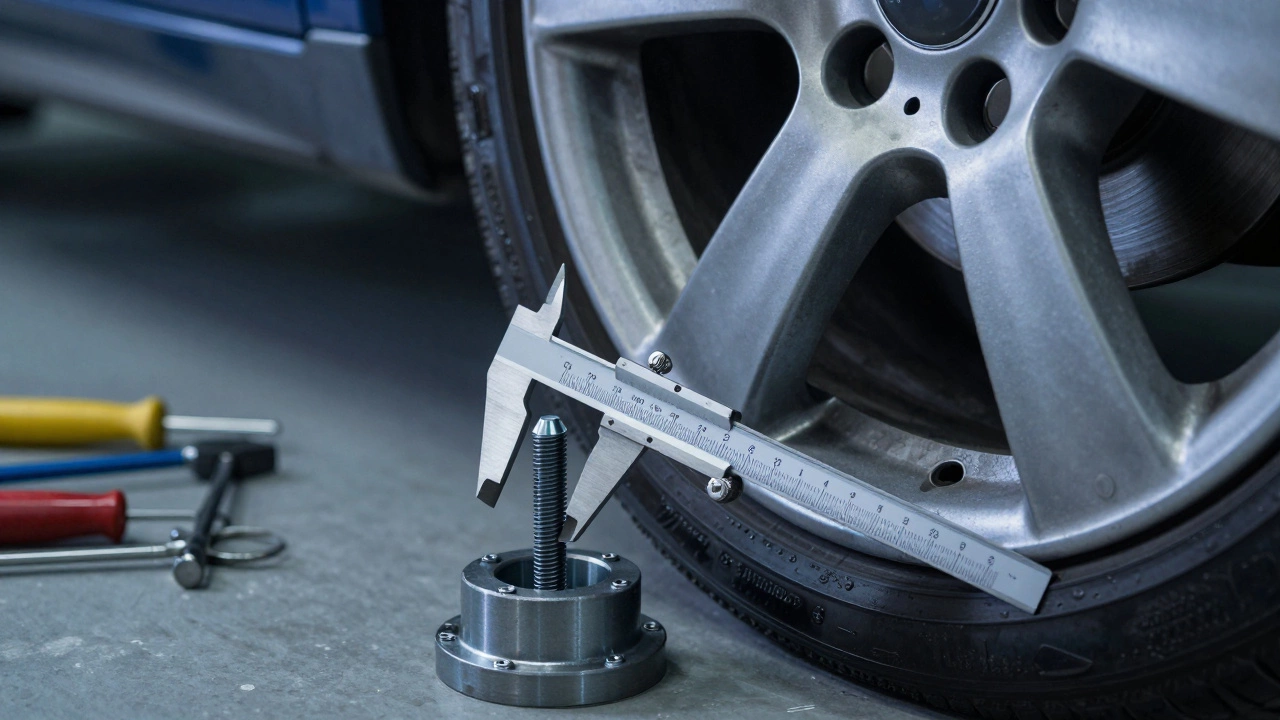
Wheel Spacer Laws: What’s Legal and What’s Not in the UK
When you add wheel spacers, thin metal or polymer discs installed between a wheel and the hub to push the wheel outward. Also known as wheel extenders, they’re often used to improve stance or fit wider tires, but they’re not just a cosmetic tweak—they change how your car handles and where it sits on the road. In the UK, there’s no single law that says "wheel spacers are illegal," but that doesn’t mean you can slap any size on your car and drive away without consequences.
The real issue isn’t the spacer itself—it’s what it does to your vehicle suspension, the system that connects your wheels to the chassis, controlling ride height, handling, and shock absorption. Spacers increase the distance between the wheel and the hub, which puts extra stress on wheel bearings, hub studs, and suspension arms. Over time, that stress leads to premature wear, and in extreme cases, it can cause a wheel to come loose. The DVSA (Driver and Vehicle Standards Agency) doesn’t ban spacers outright, but they will fail your MOT if the spacers cause excessive play, damage to components, or if they’re not properly fitted with hub-centric rings and torque specs. And if your insurance company finds out you’ve modified your suspension with spacers and didn’t declare it, they could refuse a claim after an accident—even if the spacers weren’t the cause.
Then there’s the vehicle modification regulations, the set of rules governing changes to a car’s original factory specifications in the UK, including wheel, suspension, and body alterations. The law says any modification must not make the vehicle unsafe or non-compliant with roadworthiness standards. That means spacers that stick out beyond the fenders? That’s a problem. UK law requires all parts of the vehicle, including wheels and tires, to be contained within the bodywork unless you’ve got approved wheel arch extensions. Even if your spacers are technically safe, if they make your car wider than the original body, you’re at risk of failing an inspection or getting pulled over by police who see a potential safety hazard.
Some people think, "I’ve seen tons of cars with spacers on the road, so it must be fine." But visibility doesn’t equal legality. A car with spacers might pass a casual glance, but if it’s ever inspected—whether by an MOT tester, police officer, or insurance assessor—the details matter. The thickness, material, installation method, and whether the wheels are properly centered all count. Cheap, non-hub-centric spacers are a red flag. They wobble. They vibrate. They wear out fast. And they’re the kind that get flagged.
If you’re thinking about spacers for looks, ask yourself: is it worth risking your safety, your MOT, your insurance, and your wallet? There are safer ways to get the stance you want—like choosing the right wheels with the correct offset from the start. Spacers might seem like a quick fix, but they’re a band-aid on a structural issue. The UK doesn’t ban them outright, but the system is built to catch the unsafe ones. And if you’re not sure whether yours passes muster, you’re probably already in the risky zone.
Below, you’ll find real-world breakdowns of what goes wrong with wheel spacers, what the law actually says, and how to spot the difference between a legal setup and a ticking time bomb. No fluff. Just what you need to know before you bolt anything to your hubs.