Car Body Kit Parts: What They Are, How They Work, and What to Watch For
When you hear car body kit parts, a set of aftermarket panels designed to alter a vehicle’s exterior appearance, often including front and rear bumpers, side skirts, and spoilers. Also known as body kits, they’re popular among drivers who want to turn heads without repainting the whole car. But putting them on isn’t just about sticking on plastic. These parts connect to your car’s structure, affect aerodynamics, and can even change how your car handles—or breaks down.
Not all body kit installation, the process of fitting aftermarket panels to a vehicle, often requiring cutting, drilling, or bonding is done right. A poorly fitted kit can rub against tires, block sensors, or crack under stress. That’s why some people end up with body kit damage, cracks, warping, or detachment caused by bad fitment, cheap materials, or improper mounting just months after installation. And if you’re thinking about modifying your car, you should know: adding body kit parts doesn’t automatically void your warranty—but any damage caused by them? That’s on you. A bumper to bumper warranty, a full factory coverage plan that protects most vehicle components from manufacturing defects still covers your engine and transmission, but if a broken fender leads to a cracked headlight, and that causes water damage inside the cabin? Good luck getting that fixed for free.
And here’s the thing—most of these parts are made from urethane, fiberglass, or ABS plastic. Each has pros and cons. Urethane flexes and survives minor bumps, but it’s heavy and expensive. Fiberglass is light and cheap, but it cracks if you hit a curb. ABS is somewhere in between, which is why so many professional shops stick with it for daily drivers. The real question isn’t just which kit looks best—it’s which one will still look good in two years, after sun exposure, winter salt, and a few parking lot scrapes.
Some folks install body kits just to make their car look aggressive. Others do it to improve airflow, reduce lift, or even add functional cooling vents. But if your kit doesn’t match your car’s original design, it can create turbulence that hurts fuel economy or makes the car feel unstable at highway speeds. That’s why you can’t just buy any kit off Amazon and call it a day. You need to know if it’s designed for your exact model, year, and trim. A kit made for a 2020 Honda Civic won’t fit a 2023 model without major mods—and even then, it might not seal right.
And don’t forget the legal side. In places like Australia, certain body kit modifications can fail vehicle inspections if they stick out too far, block lights, or alter the car’s original safety profile. Even if it’s legal, your insurance company might not cover damage if they find your car has unapproved body kit parts. That’s why so many people end up regretting their upgrade after getting hit with a fine or a denied claim.
What you’ll find below are real-world stories from people who’ve been there: the ones who spent thousands on a kit that cracked in six months, the ones who saved money by DIYing it and ended up with gaps bigger than their wallet, and the ones who got it right the first time. Whether you’re thinking about adding a spoiler, replacing your bumper, or just wondering if that cheap kit on eBay is worth it—you’ll find answers here. No fluff. Just what works, what doesn’t, and what you need to know before you cut into your car’s body.
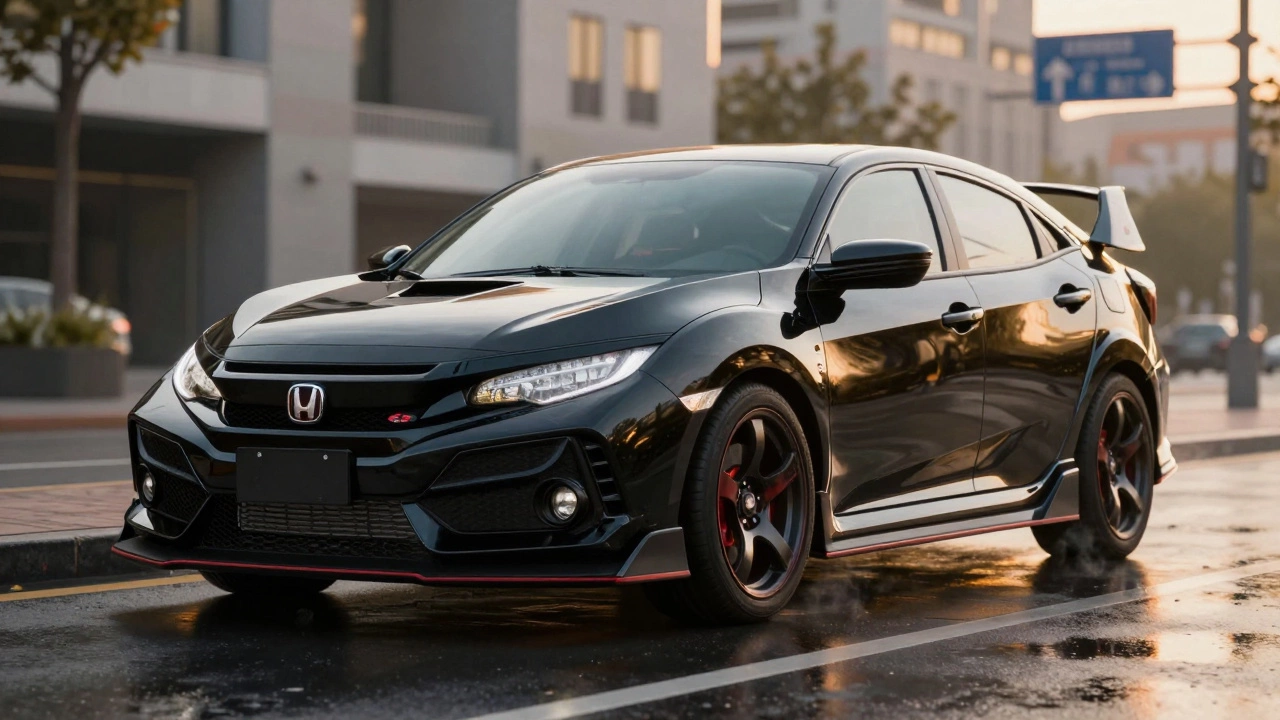
A full body kit includes front and rear bumpers, side skirts, spoilers, and sometimes fender flares. Learn what each part does, what materials to choose, and what to watch out for before buying.