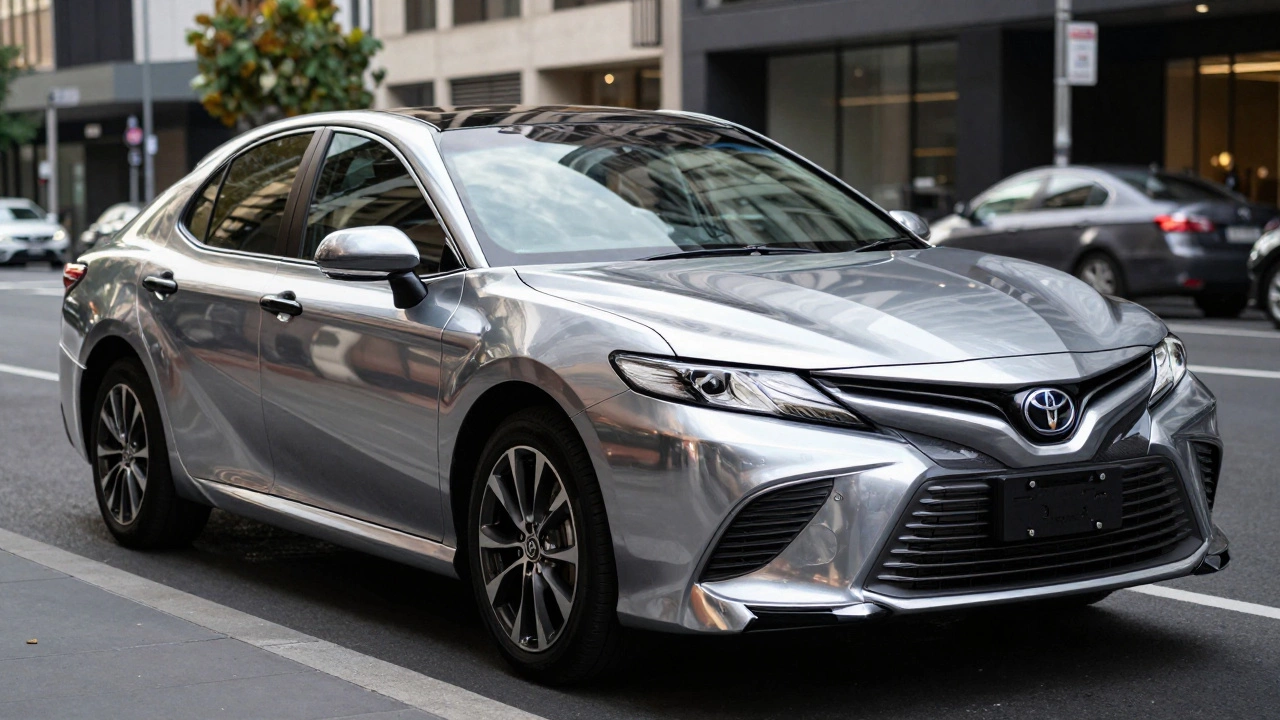
Wrap vs Paint: Which Is Better for Your Car?
When you want to change your car’s look, you’re basically choosing between two paths: a car wrap, a thin, flexible vinyl film applied over your car’s original paint to change its color or finish. Also known as vehicle wrapping, it’s a reversible, non-permanent upgrade that’s become the go-to for custom looks without the commitment. Or you can go the traditional route—car paint, a permanent coating bonded to your car’s surface through sanding, priming, and curing. Also known as automotive paint, it’s been the standard for decades, offering durability and a factory-finish shine. The real question isn’t which one looks better—it’s which one fits your life, budget, and goals.
Here’s the thing: a wrap vs paint decision isn’t just about aesthetics. It’s about money, time, and future flexibility. A wrap costs less upfront, usually half the price of a full paint job, and it’s done in a day or two. No need to leave your car for a week while the paint cures. Plus, if you change your mind next year—or sell the car—you can peel the wrap off and restore the original paint underneath. That’s huge. Paint, on the other hand, is forever. If you mess up the color, or the sun fades it unevenly, or you scratch it badly, you’re stuck with it. And repainting? That’s a full redo, with labor and materials that can cost thousands.
But wraps aren’t perfect. They can bubble, peel at edges, or get damaged by harsh car washes or chemicals. High-quality wraps last 5–7 years with proper care, but cheap ones? They might look bad in a year. Paint, when done right, lasts 10–15 years. It doesn’t fade as fast under UV light, and it’s tougher against rock chips and minor scrapes. But here’s the twist: modern wraps can now mimic carbon fiber, matte black, chrome, even color-shifting finishes that paint can’t touch. And if you want a wild design—logos, graphics, patterns—a wrap is the only way to go without hiring a painter to hand-airbrush your whole car.
What about resale? Buyers often prefer original paint—it’s seen as more trustworthy. But a well-maintained wrap? It can actually add value if it’s clean, professional, and unique. Think of it like a limited-edition color. And if you’re leasing a car or using it for business, a wrap lets you brand it without permanent changes. Want to switch from silver to matte black for winter? Swap the wrap. Done.
There’s also the warranty angle. Factory warranties don’t get voided by wraps. But if you paint your car and something goes wrong with the paint job, the manufacturer won’t cover it. And if you’re using aftermarket parts like body kits, wraps make it easier to match the color across modified panels. Paint needs perfect blending, and that’s expensive.
So who wins? If you want to test-drive a new look, save money, protect your original paint, or go bold with a design—go with a wrap. If you want maximum durability, a factory-grade finish, and don’t plan to change anything for a decade—paint is still the classic choice. Most people we talk to end up choosing wrap. Not because it’s trendier, but because it’s smarter. It gives you control, flexibility, and a way out if things don’t go as planned.
Below, you’ll find real-world breakdowns, cost comparisons, and stories from people who’ve done both. No fluff. Just what actually matters when you’re standing in front of your car, wondering whether to stick with the original or start fresh.