Wheel Spacers Disadvantages: What You Need to Know Before Installing Them
When you think about wheel spacers, thin metal or plastic discs installed between the wheel and hub to push wheels outward for a wider stance. Also known as wheel adapters, they’re often used to improve appearance or fit larger brakes. But what most people don’t tell you is how much stress they put on parts you can’t easily see. It’s not just about looks—every extra millimeter you add between the hub and wheel changes how force moves through your suspension.
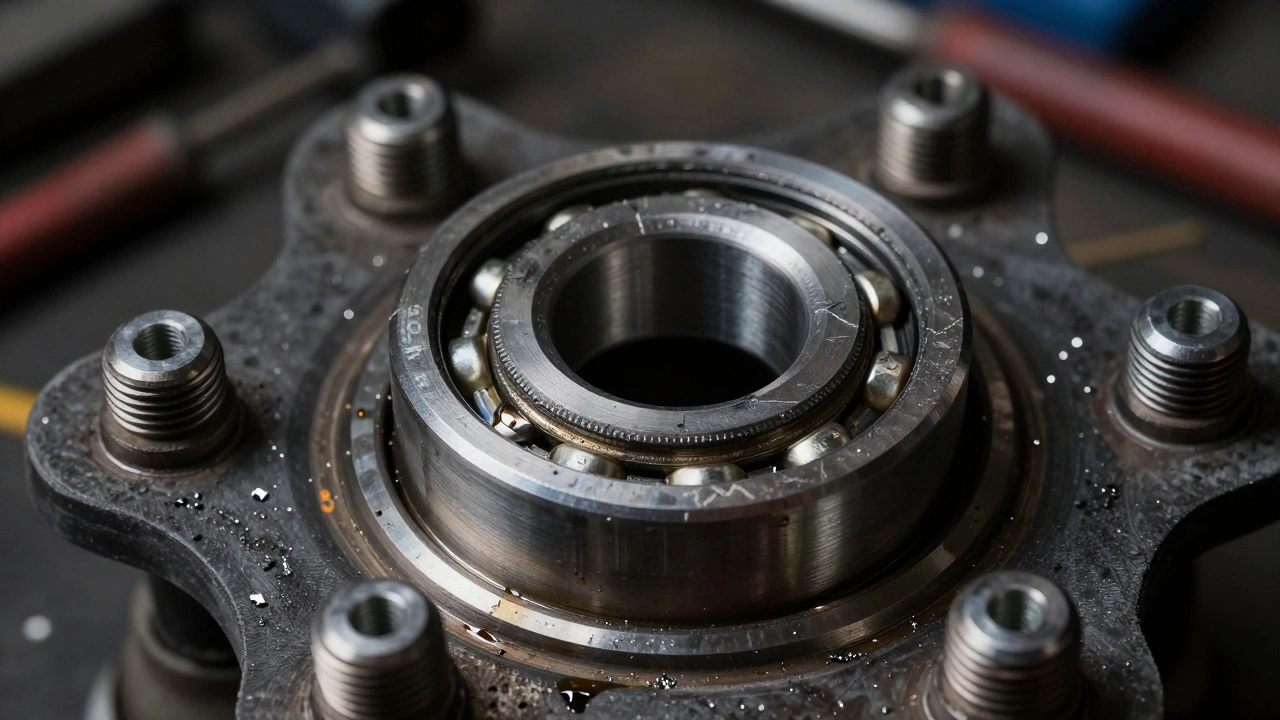
Wheel bearings, the components that let your wheels spin smoothly with minimal friction take the biggest hit. Spacers increase the distance between the bearing and the wheel’s center, turning a simple rolling motion into a lever effect. That means more sideways pressure, faster wear, and a higher chance of bearing failure—especially on rough roads or at highway speeds. And it’s not just the bearings. Suspension components, including control arms, ball joints, and tie rods start working harder to keep the wheel aligned. Over time, this leads to premature wear, uneven tire wear, and even steering issues you didn’t sign up for.
Some people say hub-centric spacers fix everything, but that’s only half the story. Yes, they center better on the hub, reducing wobble. But they don’t reduce the leverage on the bearings or suspension. And if you’re using aftermarket lug nuts or cheap spacers that aren’t machined to exact specs? You’re inviting vibration, heat buildup, and potential wheel separation. Real-world reports from mechanics show a spike in wheel-related repairs after spacers are installed, especially on daily drivers or heavier vehicles.
There’s also the legal side. In some places, widening your track beyond factory specs without approval can get you flagged during inspections or void your insurance claim after an accident. And if you’re planning to sell the car later? Buyers notice when wheels look off-center or tires are wearing weirdly. A professional wrap might boost resale value, but poorly installed spacers? That’s a red flag.
So if you’re thinking about spacers for that aggressive stance, ask yourself: Is it worth risking your safety, your wallet, and your car’s long-term health? The posts below break down real cases, expert warnings, and better alternatives—so you don’t end up paying more to fix what you installed to look cool.
Wheel spacers may improve looks but come with serious risks: worn bearings, broken studs, alignment issues, legal problems, and voided warranties. Learn why they’re rarely worth the trade-off.