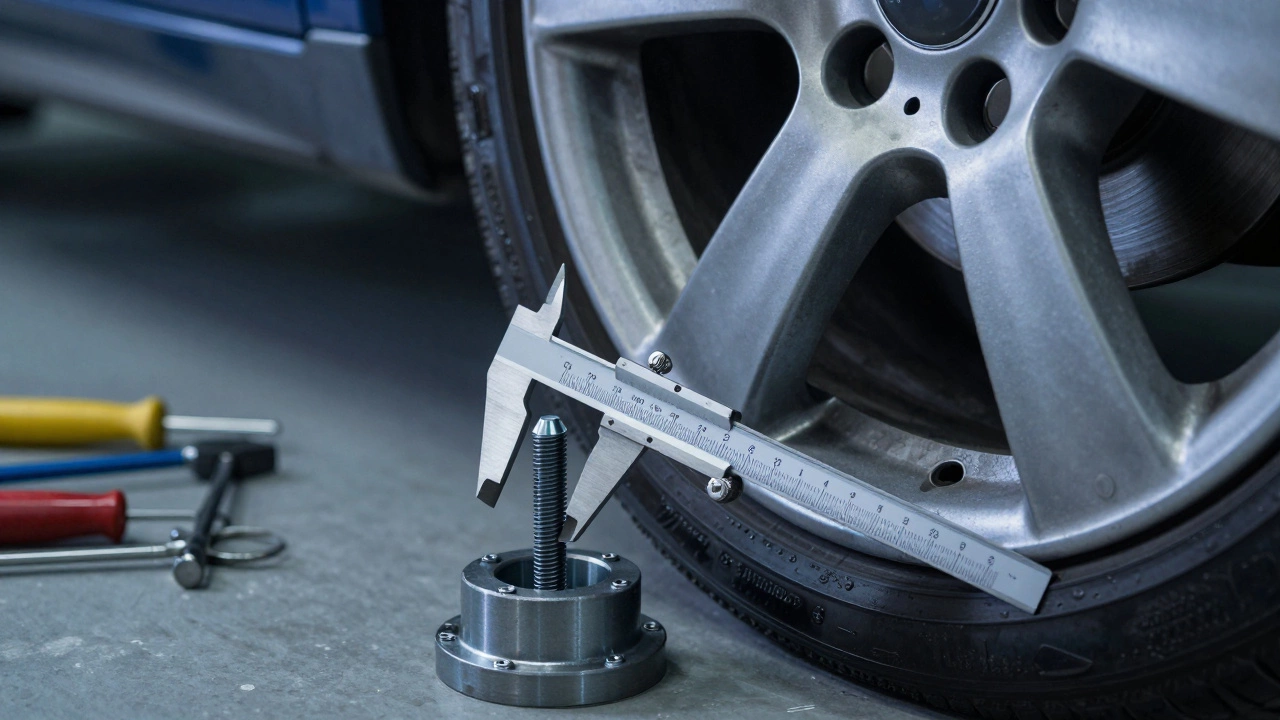
Wheel Spacer Thickness: What You Need to Know Before Installing Spacers
When you hear wheel spacer thickness, the physical distance added between your wheel and hub to change the wheel’s position. Also known as wheel spacers, they’re often used to make wheels stick out farther for a wider stance, or to clear bigger brakes. But the thickness you choose isn’t just a style decision—it directly affects your suspension, bearings, and safety.
Most drivers don’t realize that wheel spacers, metal or plastic rings installed between the hub and wheel put extra stress on the wheel bearing, the component that lets your wheel spin smoothly while supporting the vehicle’s weight. A 5mm spacer might be fine, but jump to 20mm or more, and you’re asking for premature wear—or worse, a broken stud or failed bearing. It’s not just about looks. Thicker spacers change your car’s track width, which throws off alignment, increases steering effort, and can make your car feel unstable at highway speeds. And if you’re using non-hub-centric spacers, the wheel isn’t centered on the hub properly, leading to vibrations and uneven tire wear.
Many people buy spacers because they saw a car with wide wheels online, but they don’t check if their car’s hub and bolt pattern can handle it. hub-centric spacers, spacers that fit precisely over the hub to center the wheel are safer than generic ones, but even those have limits. Most experts agree that anything over 15mm of thickness is risky for daily drivers. Track cars with upgraded suspension and stronger hardware might handle more, but for 95% of people, sticking under 10mm is the smart move. You also need to consider your wheel offset—adding spacers doesn’t fix bad offset choices, it just hides them until something breaks.
And here’s the thing no one tells you: installing thick spacers can void your warranty. If your wheel bearing fails after adding 20mm spacers, the dealer won’t cover it. Insurance companies might even deny claims if they find you modified your suspension with unsafe hardware. The wheel spacer thickness you pick isn’t just a number—it’s a trade-off between style and safety. The posts below break down real-world cases: what happens when people go too thick, why some spacers are legal and others aren’t, and how to tell if your setup is asking for trouble. You’ll find advice from people who’ve been there, and the hard lessons they learned the hard way.
Learn the safe limits for wheel spacer thickness based on vehicle type, stud engagement, and legal guidelines. Avoid dangerous modifications with practical tips and real-world examples.