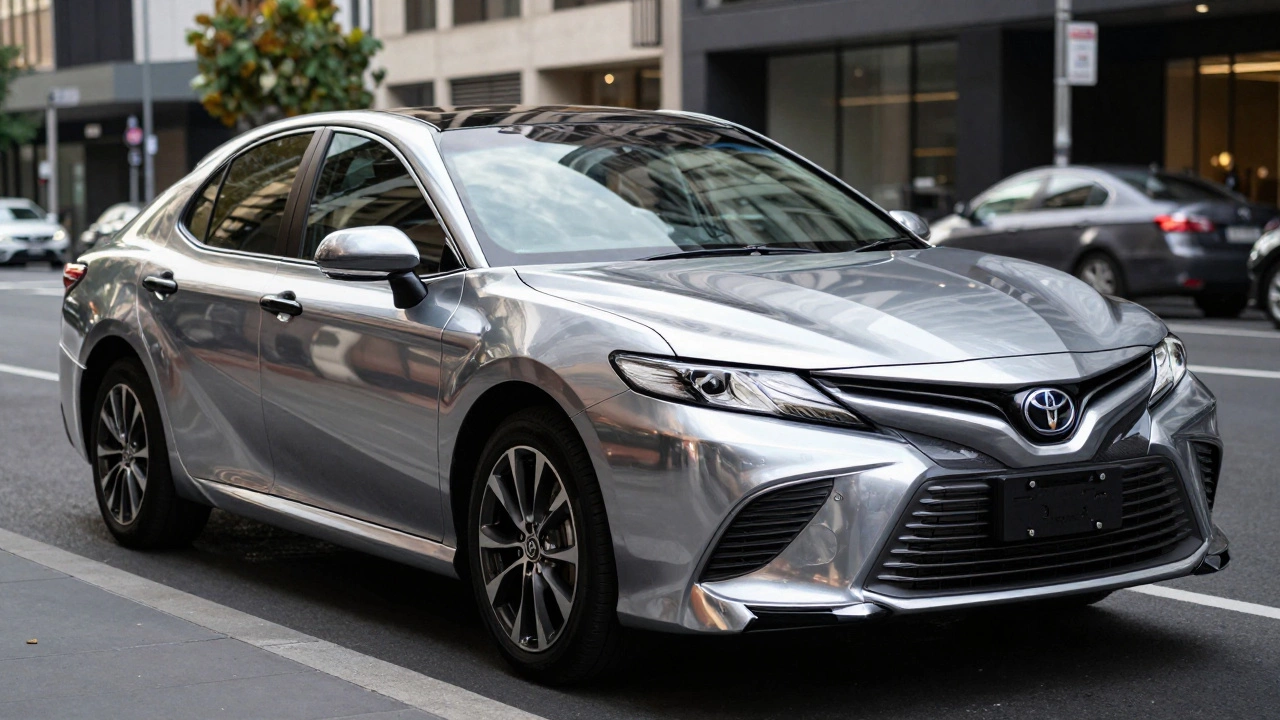
Vehicle Wrap: What It Is, How It Works, and What You Need to Know
When you hear vehicle wrap, a thin, flexible vinyl film applied over a car’s original paint to change its color or design. Also known as car wrap, it’s not just a trendy look—it’s a reversible, protective layer that saves your original paint and lets you change your car’s style anytime. Unlike paint, which bonds to the surface and can’t be undone without sanding or repainting, a vehicle wrap sticks on top and peels off cleanly when you’re ready for something new. That’s why people in Nottingham and beyond are choosing wraps over paint jobs—they get the freedom to experiment without risking their car’s value.
A custom car wrap, a personalized vinyl design applied to a vehicle for aesthetic or branding purposes can turn a dull sedan into a matte black beast, a glossy red racer, or even a carbon fiber mimic that looks like it costs ten times more. You don’t need to buy a new car to look like you did—just wrap it. And it’s not just about color. You can add graphics, logos, or patterns that make your ride stand out in traffic. The material is UV-resistant, so it won’t fade like paint, and it shields the original surface from scratches, stone chips, and minor dings. If you’ve ever worried about ruining your car’s finish with a bad paint job, a wrap is your safety net.
But it’s not magic. A vehicle wrapping, the professional process of applying vinyl film to a vehicle’s body panels needs skill. Poor installation leads to bubbles, lifting edges, or peeling in corners. That’s why it’s not a DIY project for most people. Professionals use heat guns, squeegees, and precision cutting tools to make sure every curve, door handle, and seam looks factory-finished. The best wraps last five to seven years with proper care—cleaning with mild soap, avoiding pressure washers near edges, and parking out of direct sun when you can. And if you ever sell your car, you can remove the wrap and restore the original paint, often with zero damage. That’s a huge advantage over paint, which can chip, fade, or look uneven over time.
People often confuse wraps with decals or stickers. A decal is a small graphic, like a logo on your rear window. A vehicle wrap covers the entire car—or at least large sections like the hood, roof, or sides—with a continuous film. It’s a full-body transformation. And it’s not just for show. Businesses use wraps as mobile billboards. Parents use them to hide dents before selling. Enthusiasts use them to test bold colors before committing to paint. The flexibility is real.
What you’ll find below isn’t just a list of articles—it’s a practical guide to everything that matters when you’re thinking about wrapping your car. You’ll see how wraps interact with body kits, what happens when you combine them with lowering springs, whether they affect your warranty, and how they compare to other mods like LED headlights or custom exhausts. We’ve pulled together real questions from real car owners in Nottingham and beyond. No fluff. No theory. Just what works, what doesn’t, and what you need to know before you spend a penny.
Wrapping a car doesn't devalue it-if done right. A professional vinyl wrap protects original paint, can boost resale appeal, and is easily removable. Learn how wraps affect value and what buyers really care about.