Wheel Spacers Problems: Risks, Benefits, and What You Need to Know
When you hear wheel spacers, thin metal or plastic discs installed between a wheel and the hub to push the wheel outward. Also known as wheel adapters, they're often used to improve stance, clear bigger brakes, or fix offset issues. But they’re not a simple upgrade—what looks like a cheap way to make your car look wider can quietly damage your suspension, steering, and wheels over time.
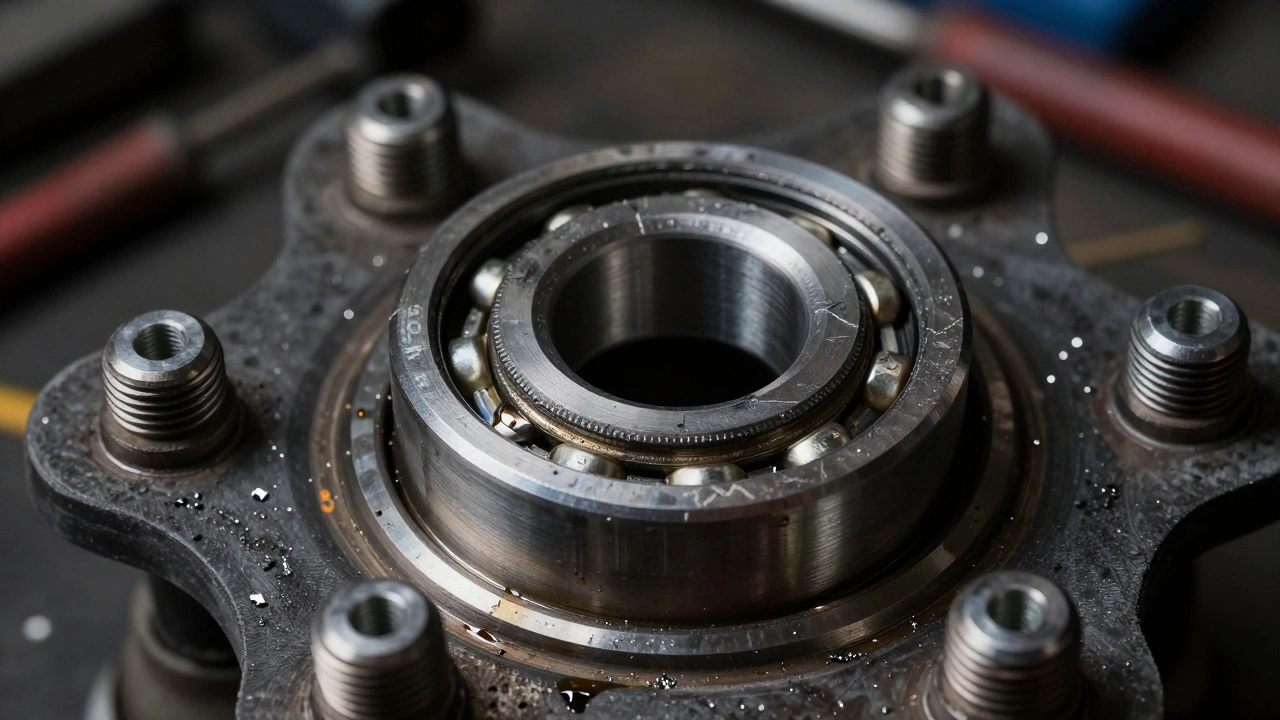
One of the biggest problems with wheel spacers is the stress they put on wheel bearings, components that let your wheels spin smoothly while supporting the car’s weight. Every time you hit a bump, the spacer adds extra leverage. That force doesn’t just go away—it pushes harder on the bearing, making it wear out faster. A bad bearing can lead to wobbling, noise, or even a wheel coming loose. It’s not rare to see bearings fail within 10,000 miles after installing cheap spacers.
Then there’s the hub-centric spacers, spacers designed to fit precisely over the hub, not just the wheel bolts. These are the only kind worth considering. Non-hub-centric spacers rely entirely on the wheel bolts to center the wheel. That’s a recipe for vibration, uneven tire wear, and stress on the studs. Even then, thick spacers (over 15mm) start to push the limits of what your suspension was designed for. Your alignment changes, your steering feels loose, and your tires wear on the inside or outside edge. And if you’re running wide tires? You might rub against fenders or suspension parts—especially when turning or going over bumps.
Some people swear by spacers for better handling or to fit larger brakes. And sure, in racing or track setups, they’re sometimes used with upgraded suspension. But for daily driving? The trade-offs rarely make sense. You’re trading comfort, safety, and long-term reliability for a look. And if your warranty is still active, a spacer-related failure won’t be covered. Most manufacturers won’t even look at your claim if they find spacers installed.
There’s a reason professional shops don’t install spacers unless absolutely necessary. They know what happens down the road. You might save a few hundred dollars upfront, but replacing a wheel bearing, ball joint, or damaged hub costs way more. And if you ever get pulled over or involved in an accident, inspectors and insurance adjusters will notice them—and question your judgment.
So what’s the real alternative? If you want a wider stance, look into wheels with the right offset. If you need brake clearance, pick wheels designed for your setup. If you’re chasing the look, there are safer ways to get there. The posts below cover what actually works, what doesn’t, and why some modifications seem like a good idea until they start costing you money.
Wheel spacers may improve looks but come with serious risks: worn bearings, broken studs, alignment issues, legal problems, and voided warranties. Learn why they’re rarely worth the trade-off.