Wheel Material: What It Means for Your Car's Performance and Style
When you think about your car’s wheels, you’re not just looking at round metal circles—you’re looking at wheel material, the physical substance that connects your car to the road and directly impacts ride comfort, speed, and safety. Also known as rim material, it’s one of the most overlooked but critical parts of any vehicle upgrade. Not all wheels are made the same. The material they’re built from decides how heavy they are, how well they handle heat, how much they cost, and even how long they last.
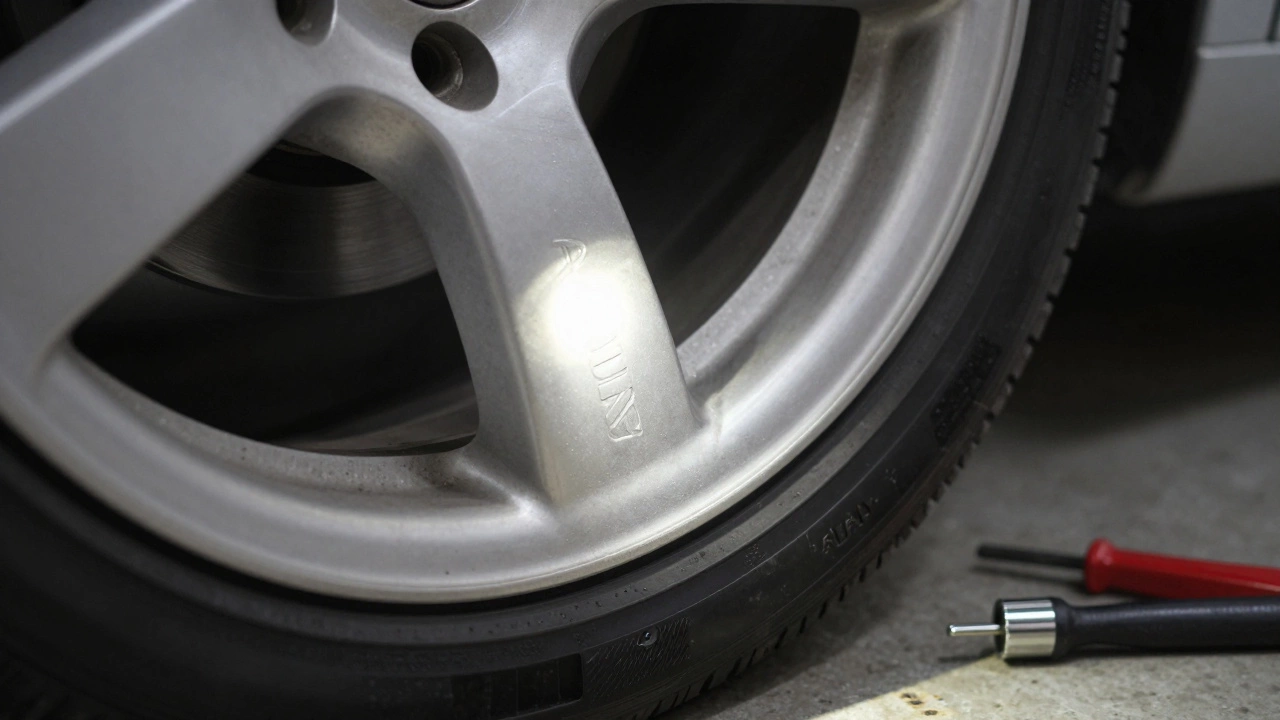
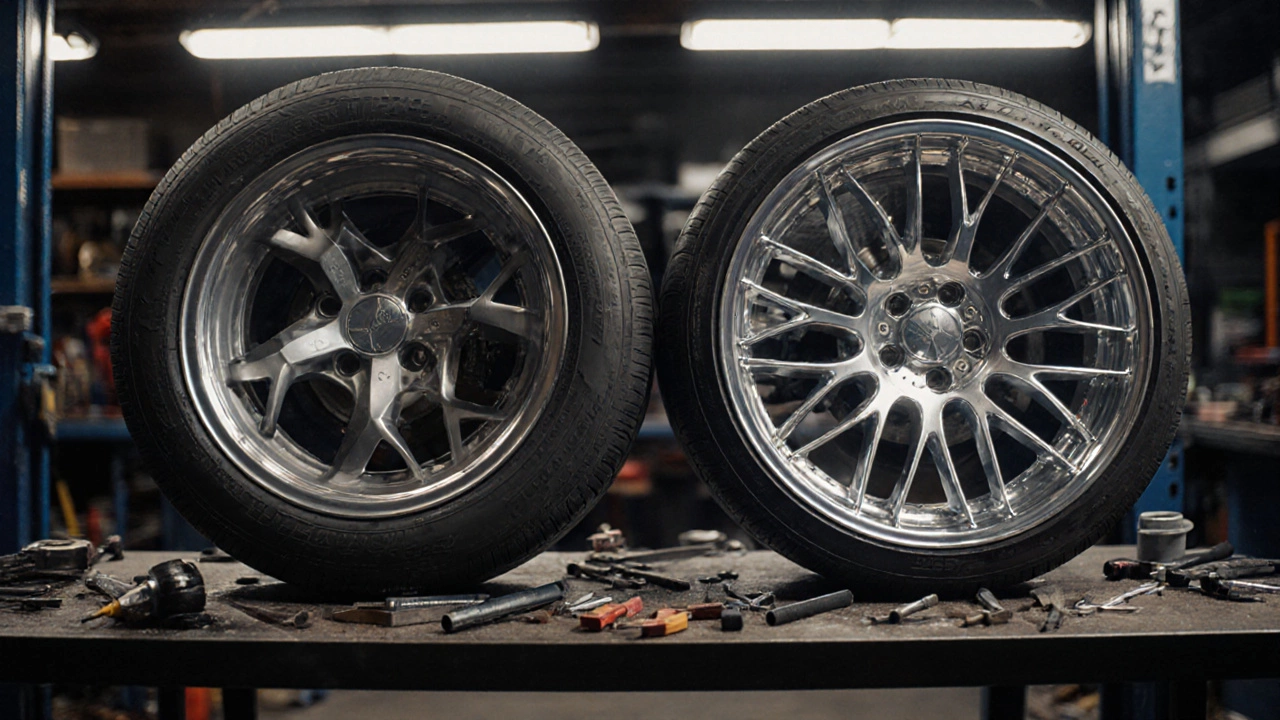
Most cars come with steel wheels, basic, durable, and cheap, often used by manufacturers to keep costs down. They’re tough and easy to fix, but they’re also heavy. That extra weight makes your car slower to accelerate, harder to stop, and gives you a rougher ride. If you’ve ever felt your car bounce over bumps like a pogo stick, heavy steel wheels might be part of the problem. On the other end, alloy wheels, typically made from aluminum or magnesium blends, are lighter, stronger, and better at pulling heat away from your brakes. That’s why performance cars and tuning shops prefer them. Lighter wheels mean better handling, quicker response, and less strain on your suspension. And yes, they look way better too.
Then there’s carbon fiber wheels, the high-end option that’s light as air but costs as much as a used economy car. These are rare, mostly found on supercars or race builds. They reduce unsprung weight dramatically, which means your tires stay glued to the road even over rough surfaces. But they’re brittle—if you hit a pothole hard, they can crack instead of bend. And repairing them? Nearly impossible. Most people stick with alloys because they strike the best balance between cost, strength, and style.
Changing your wheel material doesn’t just affect how your car drives—it changes how it looks, how it sounds, and even how much insurance you pay. Some insurers in Australia and the UK ask if you’ve swapped to aftermarket wheels, especially if they’re larger or made from exotic materials. And if you’re thinking about adding wheel spacers, those metal discs that push wheels outward for a wider stance, the material of your wheels matters even more. Heavy steel wheels with spacers? That’s asking for premature bearing wear. Lightweight alloys? Much safer.
What you choose depends on how you drive, what you care about, and what you’re willing to spend. Are you chasing looks, or do you need reliability for daily commutes? Do you care about fuel economy, or are you after that aggressive, lowered stance? The right wheel material answers those questions before you even turn the key.
Below, you’ll find real-world breakdowns of what works, what doesn’t, and what gets people into trouble—whether it’s installing spacers with the wrong wheels, choosing cheap alloys that warp under heat, or thinking carbon fiber is a magic fix. No fluff. Just what you need to know before you spend money on your next set of wheels.
Learn how to tell if your car wheels are alloy or steel using simple tests like the magnet trick, weight check, and visual inspection. No tools needed-just common sense and a fridge magnet.
Rims are just the outer edge of a wheel; alloy wheels are the full wheel made of lightweight metal. Understand the real difference to make smarter upgrades and repairs.