LED Headlight Problems: Common Issues and How to Fix Them
When you swap out halogen bulbs for LED headlights, a modern lighting technology that uses less power and lasts longer than traditional bulbs. Also known as LED retrofit kits, they promise brighter light, better visibility, and a sleek look—but they don’t always work right out of the box. Many drivers run into trouble after installation: flickering lights, error messages on the dashboard, or headlights that turn off after a few minutes. These aren’t random glitches—they’re caused by mismatches between the LED bulb’s electrical behavior and your car’s original wiring system.
The biggest culprit? CANbus, a network system in modern cars that monitors electrical components and flags anything that doesn’t match expected power draw. When LED bulbs pull less current than halogens, the car thinks the bulb is blown and triggers an error. This isn’t a defect in the LED—it’s the car’s way of saying, "I don’t recognize this." LED headlight compatibility, how well the bulb matches your vehicle’s electrical and physical requirements matters just as much as brightness. Even if the bulb fits physically, it might still cause issues if it doesn’t match the car’s voltage, polarity, or signal timing.
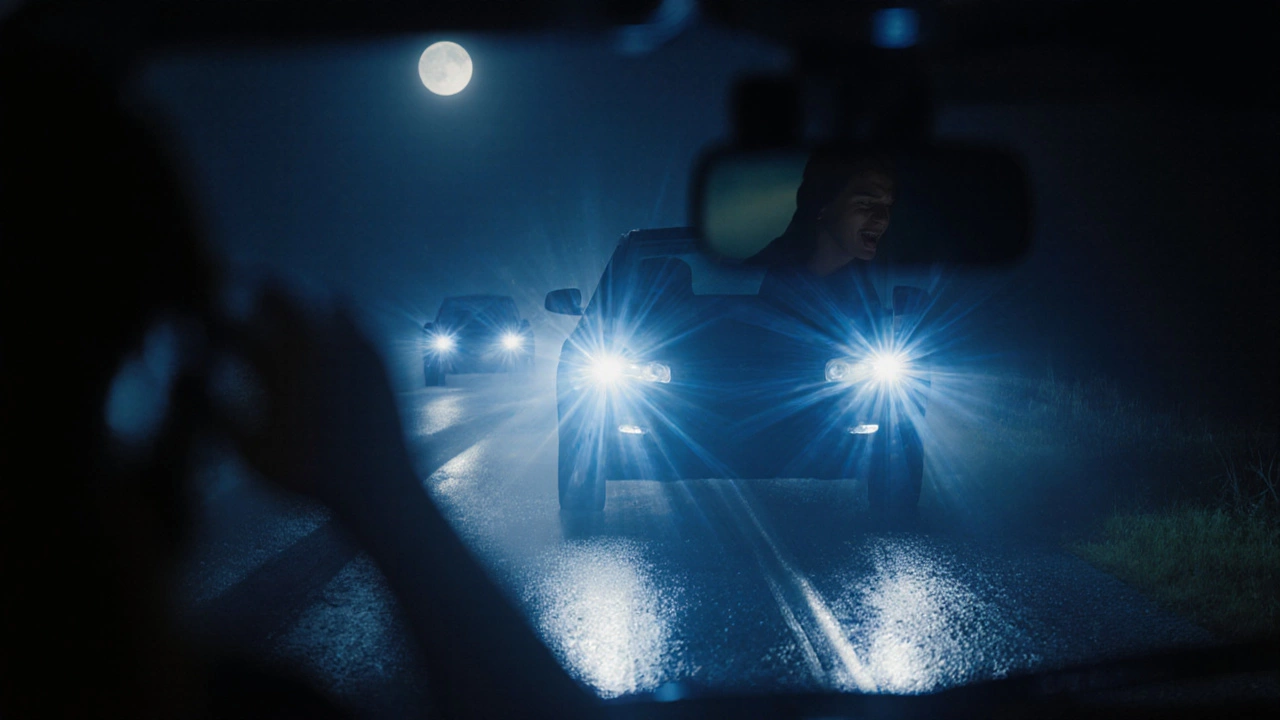
Another frequent problem is headlight retrofit, the process of upgrading factory halogen housings to accept LED bulbs. Many people don’t realize that LED bulbs need proper reflectors or lenses to focus light correctly. If you just drop an LED bulb into a halogen housing, you’ll get glare for oncoming drivers and dark spots on the road—both dangerous and illegal. Proper retrofits require matched optics, not just a new bulb.
You’ll also see problems with LED headlight installation, the physical and electrical setup of the bulb in the headlight assembly. Loose connectors, incorrect polarity, or poor heat management can lead to premature failure. LEDs run cooler than halogens, but their drivers still generate heat. If that heat can’t escape, the electronics inside the bulb burn out fast. And if you skip testing the lights after installation, you might not notice beam pattern issues until you’re driving at night—and by then, it’s too late.
These issues aren’t uncommon. In fact, they’re so widespread that most professional installers now check your car’s make and model before selling an LED kit. They know which vehicles need resistors, which need CANbus decoders, and which need full housing upgrades. The good news? Almost every problem has a fix. You don’t need to rip out your whole lighting system. Sometimes it’s just a simple decoder plug, a resistor pack, or switching to a bulb designed specifically for your car’s system.
Below, you’ll find real-world guides that walk you through diagnosing and solving these exact problems—whether you’re seeing error codes, dealing with flickering, or wondering why your new LEDs won’t stay on. No fluff. No guesswork. Just clear fixes based on what actually works on the road.
LED headlights offer brightness and efficiency, but two major issues-glare for other drivers and heat-related failures-can make them dangerous and costly. Learn why retrofitting LEDs often backfires.