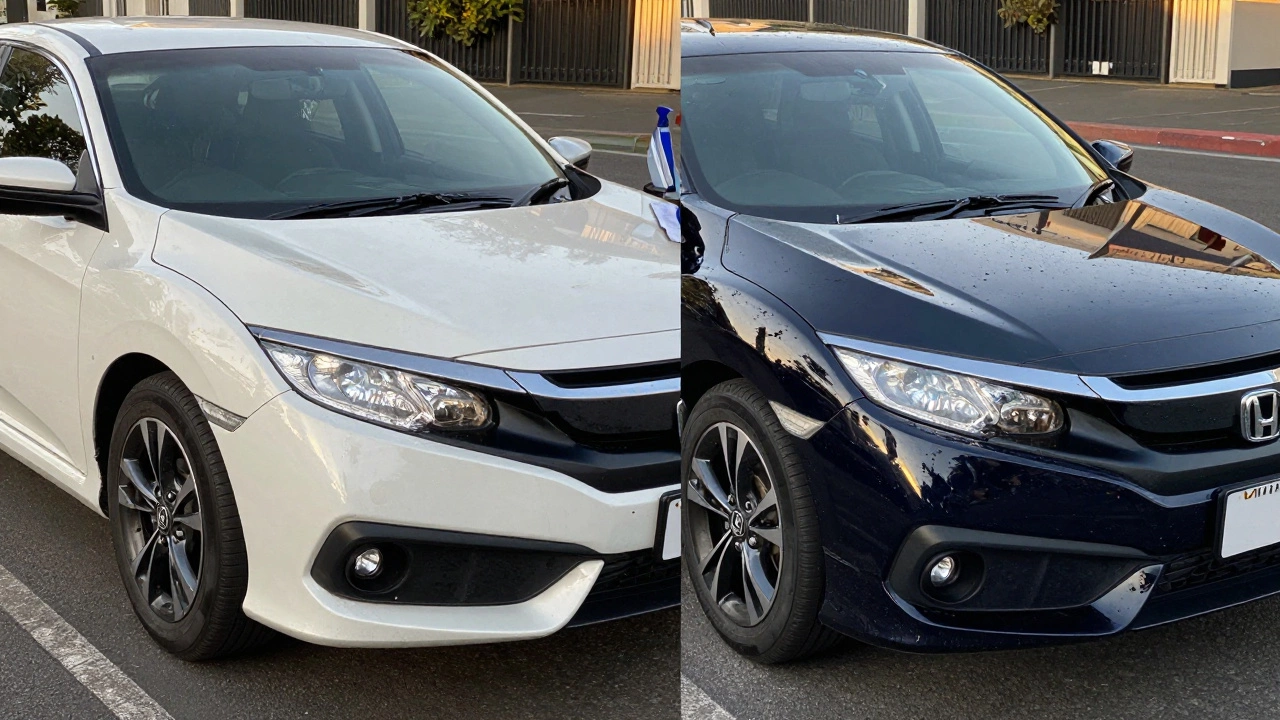
Paint Protection: Shield Your Car’s Finish Without the Cost of Repaint
When you spend thousands on a new car, the last thing you want is for the paint to fade, chip, or scratch after just a few years. Paint protection, a clear, durable film applied over a car’s original paint to guard against damage. Also known as paint protection film or PPF, it’s not just for showrooms—it’s a practical shield for daily drivers. Unlike wax or ceramic coatings that wear off in months, quality paint protection lasts years and can be removed without harming the factory finish. It’s the closest thing to a time machine for your car’s paint.
People often confuse paint protection with clear bra, a type of paint protection film focused on high-impact areas like the front bumper and hood. But modern PPF covers the whole car, from fenders to mirrors, and even self-heals minor scratches when exposed to heat. Then there’s ceramic coating, a liquid glass layer that bonds to paint for shine and dirt resistance—great for gloss, but it won’t stop rock chips. Paint protection is about physical defense; ceramic is about easy cleaning. You can use both, but if you drive on rough roads, gravel highways, or in winter salt zones, PPF is the real winner.
What makes paint protection worth it? Think about this: a single rock chip can lead to rust, and rust means bodywork. A full repaint costs $2,000 to $5,000. A full PPF wrap? Often under $1,500, and it lasts 5–10 years. Plus, if you ever sell the car, the paint underneath stays flawless—buyers notice that. You don’t need a luxury car to benefit. Even a used Honda or Ford can look like new if the paint’s been protected.
Not everyone needs full coverage. Some drivers only protect the front end—the bumper, hood, fenders, and mirrors—where debris hits hardest. Others go all-in for a showroom look. The key is knowing your driving habits. If you park outside, commute on highways, or live where road salt is common, paint protection isn’t optional—it’s insurance.
And here’s the thing: bad installation ruins everything. Cheap film, poor cleaning, or air bubbles won’t just look bad—they’ll trap dirt, yellow over time, or peel off. That’s why professionals matter. A proper install takes hours, involves heat guns, squeegees, and precision cutting. It’s not a DIY job unless you’ve done it before.
In the posts below, you’ll find real answers to questions like: Can you apply paint protection yourself? Does it really self-heal? What’s the difference between 7mil and 10mil film? Which brands hold up in winter? And yes—we cover how paint protection interacts with warranties, detailing, and even car washes. No fluff. Just what works, what doesn’t, and what you need to know before spending your money.
Is car detailing worth the money? Learn the real costs, benefits, and who should skip it. Discover how detailing protects your car's value and whether DIY kits deliver real results.
Professional detailers use high-quality carnauba wax, synthetic sealants, or hybrids to protect and enhance paint. Learn which products they trust, how to prep properly, and what to avoid for long-lasting shine.